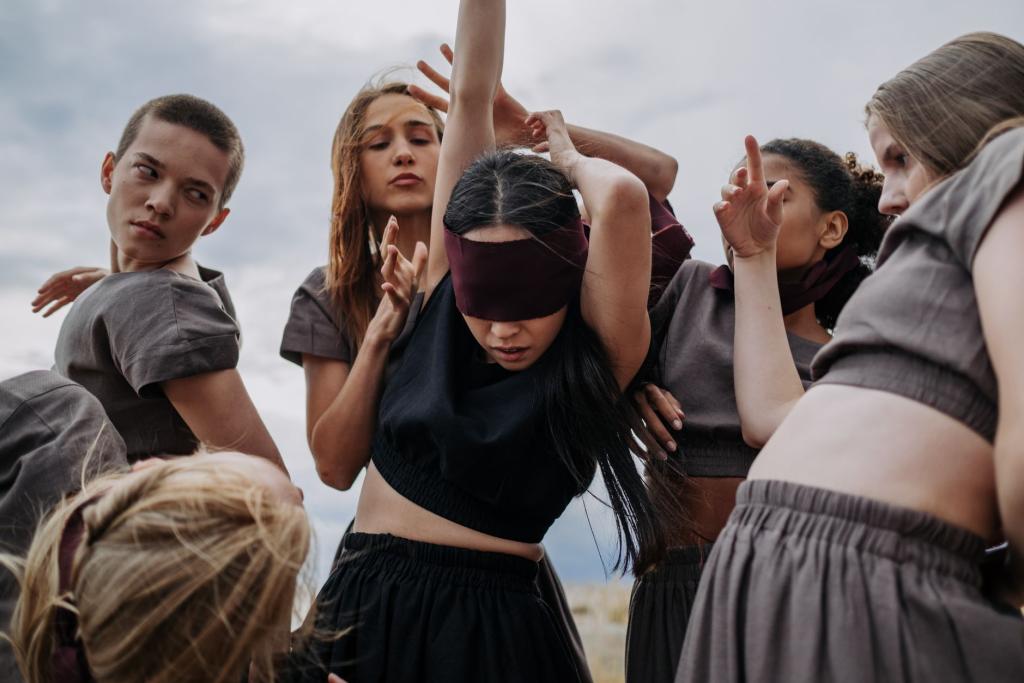
The biggest sound on TikTok this month is not a pop single or a rap verse. It is a Brazilian funk track built around a math lesson. The Six Seven dance, according to Lightreel's October 2026 TikTok trend report, is the dominant trend on the platform right now, a finger-counting routine that has jumped from Brazilian dance floors to BTS fandom and everywhere in between. Its hook is disarmingly simple: the vocalist counts through a Portuguese addition problem while dancers count along on their fingers, then everyone hits the same shrug on the drop.
The track behind it is "Six Seven" by singer Laurinha Costa with producers DJ Cabello and DJ Tchouzen, a slice of Brazilian funk that arrived on YouTube in April 2026 and has been climbing ever since. The lyric is essentially a classroom bit: the chant walks listeners through twenty plus twenty plus twenty plus seven, then lands on the answer, and dancers hold up the numbers on their fingers before finishing with a loose shrug. That simplicity is the whole strategy. There is no choreography to memorize, no mirror-timed footwork, and no need for a studio — just counting, a shrug, and the funk beat carrying the rest.
The numbers back up the noise. The official music video has gathered close to fifty million YouTube views and is projected to cross that mark this month, as reported by video analytics site kworb. Chart tracking site Top-Charts records that the track debuted at forty-seven on its global chart in mid-May 2026, spent five weeks there, and charted in seven countries across South America and Europe, peaking at fifth on YouTube's music chart and fifteenth on iTunes. For a regional funk cut, that is a long tail — and the TikTok revival this autumn has extended it further.
How the Six Seven Dance Works
Doing the routine takes about ten seconds to learn. Start facing the camera with both hands visible. As the Portuguese chant runs through the addition, count along: two fingers, then build up through the sequence until both hands show the full answer on "Six Seven." The payoff is the shrug — shoulders up, palms out, a deadpan face — landing exactly on the beat. Tutorials teaching the finger sequence circulate widely on the app, which is why learning the Six Seven dance has become a genre of its own; creators film slow-motion breakdowns, mirror versions, and duet-style walkthroughs for anyone still confused.
The reason the moves travel so well is that they work in any setting. Bedroom, classroom, sidewalk, gym — the routine needs no space and reads clearly even in a tiny phone frame. Some versions insert the dance into unrelated contexts for comedic contrast, like baking or playing an instrument mid-choreography, a trick that dance trends have leaned on all year. Others stack it into group formats, with friends or coworkers each counting one number, which turns the challenge into a team exercise. The barrier to entry is near zero, and that is exactly why feeds keep repeating it.
Why the Six Seven Dance Exploded
Every viral dance needs a spark, and this one got the biggest possible kind. BTS member J-Hope joined in, and the amplification was immediate — the largest single Six Seven dance video has drawn more than seventy-five million views, according to Lightreel's October 2026 trend report. Fan compilations of his take took off as their own content, with one compilation pulling nearly three million plays and almost half a million likes. When one of the most recognizable dancers on the planet does your routine, the tutorial market explodes overnight, and that is precisely what happened here.
What followed is rarer than the celebrity bump: the Six Seven dance crossed every demographic. Japanese high schoolers post group versions between classes, while wrestling creators have folded it into their backstage content, and parent-kid duets and office teams keep arriving daily. Few trends survive contact with that many audiences, because each new group usually exposes the joke as tired. Instead, each new context reframes the same counting gag, and the format absorbs the audience rather than alienating it. The track's spring chart run gave it a base of recognition, and the autumn wave turned it into a genuine mass format.
The Six Seven Dance vs. October's Other Trends
It helps to see what the trend is beating. K-pop act CORTIS's single "REDRED" spawned a mainstream dance challenge with tutorial uploads nearing three million views, per Lightreel's tracking — a far more technical routine aimed at trained dancers. Slayyyter's "Old Technology" took the opposite route, emphasizing posing and rhythmic swaying over complex footwork, and some versions pulled more than twenty percent engagement. Both are legitimate October stories, but both demand either skill or style. The counting routine demands neither, which explains the gap in reach.
The comparison holds outside dance, too. October's non-dance formats lean seasonal and scripted: the Pumpkin Head Illusion, where creators hold a pumpkin up to the lens so it swallows a friend's head, and the "Be Ok" audio, which pairs Ingrid Michaelson's upbeat track with brutally honest captions about barely holding it together, both documented in New Engen's October 2026 trend roundup. Those formats are clever, but they need props, costumes, or a confession. The Six Seven dance needs hands. That difference is why it sits at the top of the month instead of in the Halloween corner of it.
Why It Matters for Your Feed
For anyone who makes things online, the lesson is structural. The month's biggest trend is not the most produced or the most skilled — it is the most legible. A viewer understands the premise in two seconds: counting, a shrug, done. That legibility is why the format jumped languages and continents without translation; the Portuguese lyric barely matters because the numbers are visible on the dancers' hands. Creators who usually avoid dance content have been posting their own Six Seven dance takes, which is the surest sign that a trend has crossed from niche to infrastructure.
The counterpoint is worth stating plainly. Dance fatigue is real, and some viewers are tired of learning a new routine every week, especially when each one dominates the feed for days at a time. Not every trend deserves the full-group-participation treatment, and the algorithm's habit of rewarding sameness can make the app feel smaller, not bigger. But even the skeptics tend to concede the design point: when a global hit can be built from counting to ten on your fingers, the gatekeeping around who gets to participate collapses. That is the rare trend worth understanding even if you never film it.
For the latest on what's moving the internet this week, keep reading The Feed, and for more on how sounds travel across borders, see Music.
Comments 0
No comments yet. Be the first to share your thoughts!
Leave a comment
Share your thoughts. Your email will not be published.