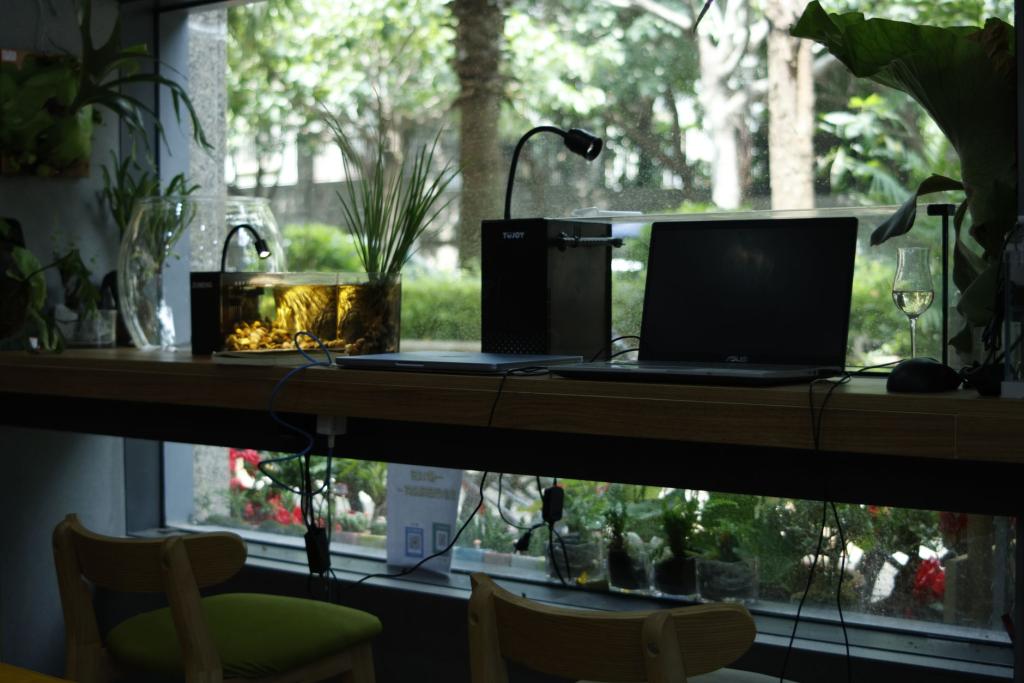
On Tuesday, federal agents shut down a North Korean laptop farm scheme that had been quietly placing foreign operatives inside American companies for years. The FBI searched more than forty homes across Texas and seized one hundred eighty-seven laptops and remote-access devices, each one a link in a pipeline that turned stolen American identities into paychecks for Pyongyang.
The operation, called Operation Lonestar Roundup, was announced by U.S. Attorney Ryan Raybould of the Northern District of Texas and R. Joseph Rothrock, the special agent in charge of the FBI's Dallas field office. At its center were so-called laptop farms: houses inside the United States where company-issued laptops were kept powered on and online so workers overseas could log in and pass as domestic employees. American facilitators set up the machines, installed remote-access software, and moved the earnings into accounts controlled by North Korea, the Justice Department said in its announcement of the case.
Raybould framed the case as a national security matter. He said the scheme amounted to "a hostile foreign regime infiltrating American companies through stolen identities," and warned that every laptop farm taken offline cuts off money North Korea counts on for weapons programs. Rothrock said in the same announcement that "each laptop seized potentially represents one company that has hired a DPRK IT worker," and he urged businesses with suspicions to come forward.
The North Korean laptop farm scheme is a useful reminder that some of the strangest-sounding plots turn out to be real, which is why the evidence matters more than the vibe. GenZNewZ previously covered the declassified Operation Northwoods documents, in which U.S. military planners once proposed faking attacks on Americans. Real conspiracies leave a paper trail.
How the laptop farm trick actually worked
According to the Justice Department, the North Korean workers applied for remote IT jobs using stolen or fabricated identity documents, then routed their connections through virtual private networks and proxy services to look like they were working from inside the United States. Helpers based in America received laptops shipped by the victim companies, housed and configured the devices, and kept them running. The pay went to accounts controlled by Pyongyang. Investigators also uncovered a network of fraudulent Google accounts the operatives used to keep the plot moving.
Cybersecurity firm CrowdStrike has tracked this network for some time and identified the group behind it as "Famous Chollima," the company said, a name victims now use for the wider operation. The tradecraft keeps evolving. Nextgov reported, citing CrowdStrike's analysis, that the group has started spoofing device identifiers to defeat remote-work hardware checks and paying U.S. citizens to sit in on job interviews and take drug tests on their behalf.
Fake remote-work operations like this North Korean laptop farm scheme are a growth industry. Earlier this week GenZNewZ covered the Quantum Financial System scam, a separate scheme that drained victims' wallets with promises of a secret payout network.
Why this case goes beyond ordinary fraud
The Ohio branch of the investigation shows the scale. The Justice Department's Northern District of Ohio announcement says fourteen people were charged in connection with the broader North Korean laptop farm scheme, with two arrests so far. Prosecutors say the network reached more than seventy American employers and generated roughly three million dollars in worker pay. Particle News, summarizing the court filings, reported that about twenty-five American identities were compromised, and that Treasury officials have estimated the wider North Korean remote-worker racket at more than eight hundred million dollars in a single year.
The affected companies spanned health care, communications, cyber support, retail, and manufacturing, spread across well over a dozen states plus the District of Columbia. The victims included established firms in sectors that handle sensitive systems and data.
The FBI has now published a public service announcement aimed at employers hiring into the kind of roles the North Korean laptop farm scheme exploited, with guidance for vetting remote IT workers. Officials say the investigation is still open, with more details to come. The message to companies is direct: check remote hires carefully, and report anything suspicious.
Conspiracy theories usually ask for belief without evidence. This North Korean laptop farm scheme arrived with search warrants, seized hardware, indictments, and a named FBI operation. GenZNewZ covered a very different conspiracy story yesterday, a viral claim about a political figure that fell apart within days. The two stories make the same point from opposite sides: rumors travel fast, and real plots get exposed when someone follows the evidence.
Comments 0
No comments yet. Be the first to share your thoughts!
Leave a comment
Share your thoughts. Your email will not be published.