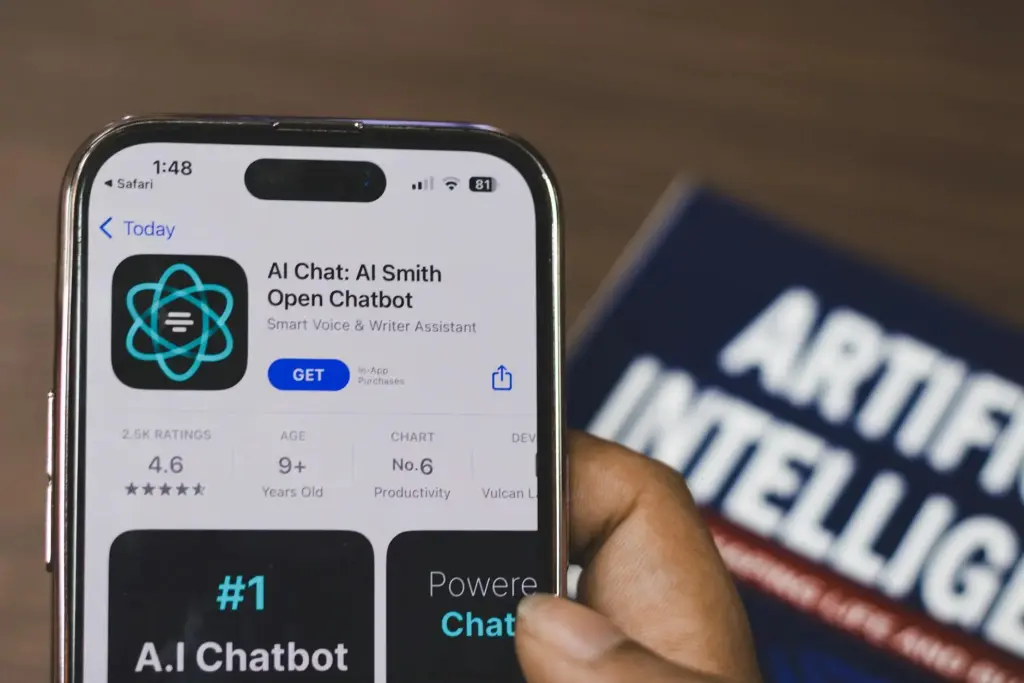
Artificial Intelligence has moved from science fiction to everyday reality. From the smartphone in your pocket to the recommendations on your favorite streaming service, AI is everywhere. But what exactly is artificial intelligence, how does it work, and what does it mean for our future? This comprehensive guide breaks down everything you need to know about AI in 2026.
What Is Artificial Intelligence?
At its core, artificial intelligence refers to computer systems that can perform tasks that typically require human intelligence. These tasks include visual perception, speech recognition, decision-making, language translation, and even creative writing.
Unlike traditional computer programs that follow rigid rules, AI systems learn from data. They identify patterns, make predictions, and improve their performance over time without being explicitly programmed for every scenario. This ability to learn and adapt is what separates AI from conventional software.
Types of Artificial Intelligence
Not all AI is created equal. Understanding the different types helps clarify both current capabilities and future possibilities:
Narrow AI (Weak AI)
This is the AI we interact with daily. Narrow AI excels at specific tasks—like recommending songs, filtering spam, or playing chess—but cannot transfer that intelligence to unrelated domains. Siri, Alexa, ChatGPT, and Tesla's Autopilot are all examples of narrow AI.
General AI (Strong AI)
General AI would possess human-level intelligence across all domains. It could learn any intellectual task that a human can. Despite significant advances, true general AI remains theoretical and is likely decades away, if achievable at all.
Superintelligent AI
This hypothetical AI would surpass human intelligence in virtually every field. While it captures imaginations through science fiction, most researchers consider it a distant concern compared to the immediate challenges of today's AI systems.
How AI Actually Works
Modern AI relies heavily on machine learning, a subset of AI where systems improve through experience. Here's a simplified breakdown:
Machine Learning Basics
Machine learning algorithms analyze vast amounts of data to identify patterns. For example, by analyzing millions of labeled cat photos, an algorithm learns to recognize cats in new images. The more data and computing power available, the better these systems become.
Deep Learning and Neural Networks
Deep learning uses artificial neural networks—computational models inspired by biological brains. These networks contain layers of interconnected nodes that process information. GPT models, image recognition systems, and voice assistants all rely on deep learning.
Large Language Models
The breakthrough technology behind ChatGPT and similar tools, large language models (LLMs) are trained on enormous text datasets. They learn statistical relationships between words, enabling them to generate human-like text, answer questions, and even write code.
AI in Everyday Life
You interact with AI constantly, often without realizing it:
- Social Media: Algorithms determine what content appears in your feed
- Streaming Services: Netflix and Spotify use AI to recommend content
- Navigation: Google Maps predicts traffic and optimizes routes
- Banking: AI detects fraudulent transactions in real-time
- Healthcare: AI assists in diagnosing diseases from medical images
- Customer Service: Chatbots handle routine inquiries
The AI Revolution in 2026
The landscape has changed dramatically. In 2026, several key developments define the AI era:
Multimodal AI
Modern AI systems process text, images, audio, and video simultaneously. You can upload a photo and ask questions about it, or have AI generate images from text descriptions. This multimodal capability represents a significant leap forward.
AI Agents
Beyond simple question-answering, AI agents can perform complex tasks autonomously. They can research topics, write reports, schedule appointments, and even make purchases—functioning as digital assistants with growing capabilities.
Regulatory Response
Governments worldwide are implementing AI regulations. The EU AI Act sets strict requirements for high-risk applications. The United States has issued executive orders on AI safety. These frameworks aim to harness AI's benefits while mitigating risks.
Benefits of AI
The potential benefits are enormous:
- Healthcare Advances: AI accelerates drug discovery and improves diagnostic accuracy
- Climate Solutions: AI optimizes energy use and models climate patterns
- Education: Personalized learning adapts to individual student needs
- Accessibility: AI tools help people with disabilities communicate and navigate
- Productivity: Automation handles routine tasks, freeing humans for creative work
Challenges and Concerns
Despite its promise, AI raises serious concerns:
Job Displacement
AI threatens to automate many jobs, from data entry to creative fields. While new jobs will emerge, the transition may be disruptive for affected workers.
Bias and Fairness
AI systems trained on biased data perpetuate those biases. Facial recognition struggles with darker skin tones. Hiring algorithms discriminate against women and minorities. Addressing these biases remains a critical challenge.
Misinformation
AI can generate convincing fake content—deepfakes, false news articles, and impersonations. This threatens information integrity and democratic discourse.
Privacy
AI's hunger for data raises privacy concerns. Surveillance systems can track movements and activities. Personal information used to train AI may be difficult to remove.
Existential Risk
Some experts warn that advanced AI could pose existential risks if not properly controlled. While speculative, this concern drives research into AI safety and alignment.
Preparing for an AI Future
How can individuals and societies adapt?
- Education: Focus on skills AI struggles with—creativity, emotional intelligence, complex problem-solving
- Critical Thinking: Learn to evaluate AI-generated content and identify misinformation
- Policy Engagement: Participate in discussions about AI regulation and governance
- Ethical Use: Use AI tools responsibly, respecting privacy and intellectual property
The Bottom Line
Artificial intelligence represents one of humanity's most powerful and consequential technologies. It offers tremendous potential to solve problems, enhance capabilities, and improve lives. Simultaneously, it poses significant challenges that require careful management.
Understanding AI isn't just for tech professionals—it's essential knowledge for navigating the 21st century. As AI continues to evolve, staying informed about its capabilities, limitations, and implications will help individuals and societies harness its benefits while addressing its risks.
The AI revolution is here. The question isn't whether AI will transform our world—it already is. The real question is how we'll shape that transformation to create a future that benefits everyone.
Comments 0
No comments yet. Be the first to share your thoughts!
Leave a comment
Share your thoughts. Your email will not be published.