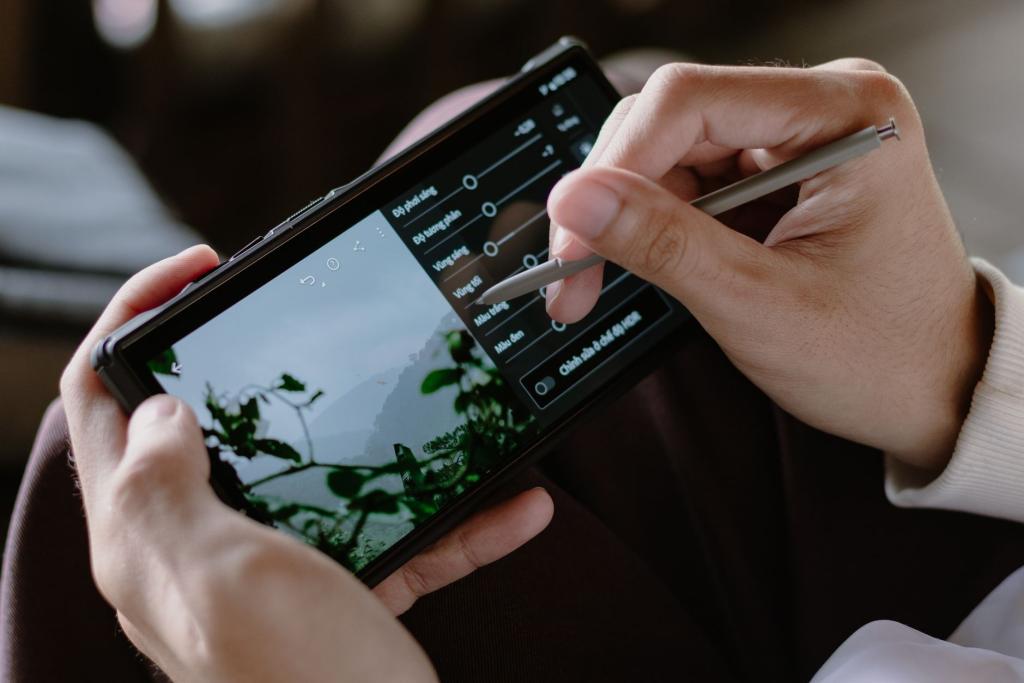
There is a side hustle with almost no startup cost, no inventory, and no boss, just a phone and an editing app. It is called clipping, and it has become one of the fastest-growing ways to earn money on social media. The clipping side hustle works like this: take longer pieces of content, such as podcasts, interviews, livestreams, or songs, cut them into short punchy videos, and post them at scale on TikTok, Instagram, and YouTube, often with AI tools doing the heavy lifting, according to Moneywise. For newcomers, the clipping side hustle promises income from clips they never filmed.
The stories floating around social media make it sound easy. Emrah Bayraktar, a twenty-five-year-old who was juggling several part-time jobs, making sandwiches at Subway, cleaning cars, and working overnight shifts in a warehouse, started clipping as a way to earn a little extra cash on the side. At first the earnings were modest. Bayraktar told NPR that a notification on his phone showed he had earned twelve dollars from a single clip. Two weeks later, he said, he had made twenty-five hundred dollars, and the windfall made him seriously consider quitting his part-time jobs to go all in on clipping.
The money in the clipping side hustle flows through views. Most campaigns pay clippers based on how many views their clips pull in, and the rates can range from fifty cents to twenty-five dollars per thousand views depending on the content and the company behind the campaign, according to NPR. For context, a Bankrate survey last year found that the typical side hustler earns a median of two hundred dollars a month, so the prospect of earning hundreds or even thousands of dollars from a single viral clip is a strong draw. The upper end of the market has gotten serious fast. Business Insider reported that some top-performing elite clippers are now offered monthly retainers ranging from five hundred to fifteen hundred dollars on top of performance-based pay. Bayraktar himself now runs a network of roughly forty thousand freelance clippers and operates a YouTube channel where he teaches others how to break into the industry.
Why brands are buying clips instead of billboards
From a brand's perspective, clipping is just cheap distribution. A billboard campaign can cost anywhere from a few thousand dollars to hundreds of thousands in prime locations, while some clipping campaigns pay creators between one and four dollars per thousand views, according to Business Insider, a fraction of the price for a potentially far bigger audience. The clipping side hustle works for advertisers because it flips the old logic of display ads. Anthony Fujiwara, the co-founder of the clipping agency Clipping, told NPR that the format gives brands a better shot at landing on phones: instead of hoping someone drives past a billboard, a brand now bets on someone swiping past the content on their screen.
The trend has gone mainstream enough that the biggest names on the internet are building infrastructure around it. YouTuber MrBeast launched his own clipping platform, Vyro, which connects creators and brands with users willing to make and distribute clips, letting participants earn money based on the views their videos generate. In other words, the clipping side hustle pays people to distribute other creators' content. For Gen Z, the clipping side hustle sits at the intersection of two familiar forces: the feed rewards short video, and the bills reward extra income. It is the same impulse behind the resale boom, where Gen Z's closets are becoming cash. Now their editing apps are too.
Why some people are pumping the brakes
Not everyone is convinced the clipping side hustle is harmless. One concern is that the practice can make content appear far more popular than it really is. When hundreds of people post versions of the same clip, social media algorithms may read that activity as a genuine surge of interest and push the content to even more users. Unlike traditional ads, many clips appear to come from ordinary users, which makes it hard for viewers to tell whether a post is part of a coordinated marketing campaign. That is the structural risk baked into the clipping side hustle: the algorithm cannot tell paid momentum from real interest.
The consequences can go beyond inflated view counts. A recent New York Times investigation documented how streamer Vitaly Zdorovetskiy, known online as VitalyzdTv, falsely accused Akash Singhania, who ran a vending-machine startup, of being a child predator after luring him to a meetup with a decoy during a livestream. During the encounter, the streamer turned to the camera and said "perfect clip," the Times reported. Vitaly later acknowledged the mistake, apologized, and removed the original broadcast, but clips of the confrontation had already been reposted across social media by creators hoping to capitalize on the viral moment. One company that was paying people to clip Vitaly's content even asked creators to delete their videos, but by then the footage had spread too widely to pull back. Singhania's family received harassing messages and prank calls, and clips of the false accusation kept circulating even after the original video was taken down.
The same financial system that lets creators spread content quickly can make it much harder to rein in false or harmful information once it starts gaining traction online. That is the darker side of a hustle built on views. Meanwhile, more traditional side hustles such as tutoring, freelance work, pet sitting, or delivery driving may not come with viral upside, but they offer a way to earn extra cash without depending on algorithms or internet outrage. Canada is living through a similar wave of side-hustle ambition, with nearly half of Canadians in or wanting in, and the legal fine print around extra income is catching people off guard. Anyone eyeing the clipping side hustle should know what they are signing up for: view-based pay means the income is as unpredictable as the feed itself, and the clipping side hustle offers no floor when a clip flops. The broader numbers back up the caution, even as AI-powered side hustle income keeps climbing, most people chasing extra money online are still grinding for a couple hundred dollars a month.
Comments 0
No comments yet. Be the first to share your thoughts!
Leave a comment
Share your thoughts. Your email will not be published.