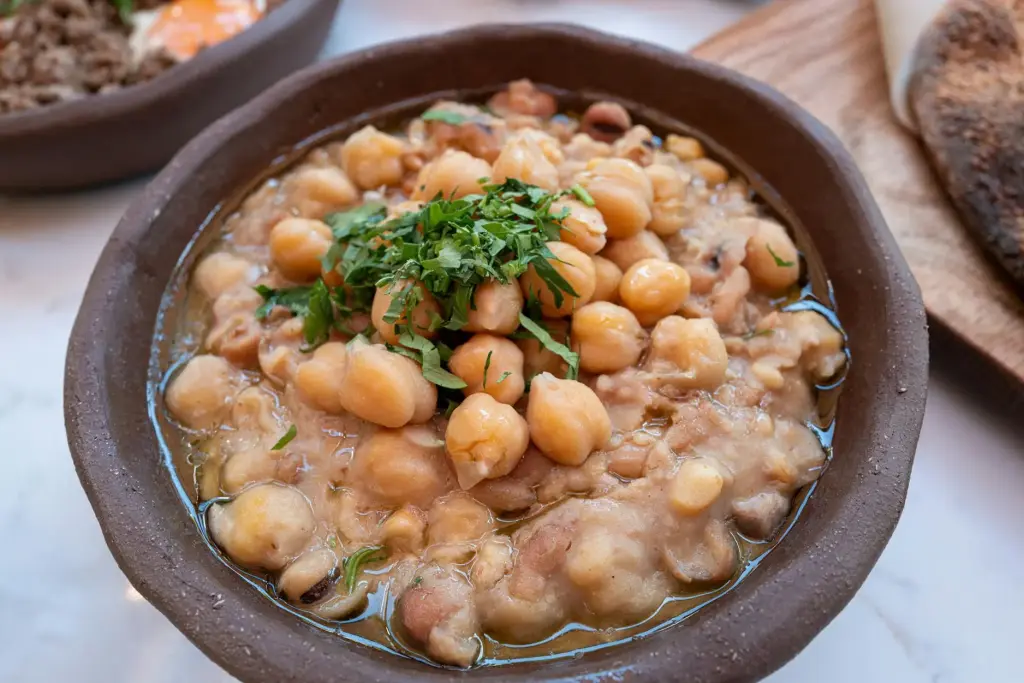
Feijoada is far more than a mere stew—it is a living testament to Brazil cultural tapestry and the beautiful fusion of indigenous traditions with Portuguese colonial influence. This beloved black bean and pork dish has earned its rightful place as Brazil national dish, gracing tables from humble family kitchens to the most sophisticated restaurants in São Paulo and Rio de Janeiro. Today I am sharing my authentic feijoada recipe that has been passed down through generations, bringing the true taste of Brazil to your home kitchen.
The origins of feijoada can be traced back to the colonial era when enslaved Africans and Portuguese settlers combined their culinary traditions. According to food historians at Britannica, the dish is believed to have emerged from the need to make use of every part of the pig—a practice that reflected both economic necessity and the resourceful spirit of Brazilian cuisine. Over centuries, feijoada evolved from a simple peasant meal into the celebratory centerpiece it is today, typically enjoyed on special occasions, family gatherings, and especially during the weekend feijoada completa that brings generations together around the dining table.
Understanding the Traditional Feijoada
Authentic Brazilian feijoada is a complex dish that requires patience, quality ingredients, and respect for tradition. The stew features black beans slow-cooked with a variety of pork cuts, each contributing its unique texture and flavor profile. Traditional recipes call for pork ribs, sausage linguiça, bacon, and sometimes pork feet or ears, creating a rich, deeply flavorful broth that coats the beans in a luxurious texture. The key to an exceptional feijoada recipe lies in the careful balance of ingredients and the lengthy cooking process that allows all the flavors to meld together harmoniously.
Quick Facts
- Prep Time: 30 minutes
- Cook Time: 3 hours
- Total Time: 3 hours 30 minutes
- Servings: 8-10 servings
Ingredients
For the Feijoada
- 1 lb (450g) dried black beans, soaked overnight
- 1 lb (450g) pork ribs, cut into pieces
- 8 oz (225g) linguiça sausage, sliced
- 4 oz (115g) bacon, diced
- 1 large onion, finely chopped
- 4 cloves garlic, minced
- 2 bay leaves
- 1 teaspoon ground cumin
- Salt and black pepper to taste
- Water or pork broth, enough to cover beans
For Serving
- White rice
- Collard greens (couve à mineira)
- Orange slices
- Farofa (toasted cassava flour)
- Hot pepper sauce (optional)
Step-by-Step Instructions
Step 1: Prepare the Beans
Drain and rinse the soaked black beans. Place them in a large heavy pot and cover with fresh water or pork broth. Add the bay leaves and bring to a boil over high heat. Once boiling, reduce heat to medium-low and simmer for about 1 hour until the beans are tender but not mushy. The beans should still hold their shape slightly.
Step 2: Brown the Pork
While the beans are cooking, prepare the pork elements. In a large skillet, cook the bacon pieces over medium heat until crispy and golden, about 8-10 minutes. Remove the bacon with a slotted spoon and set aside, leaving the rendered fat in the pan. Next, brown the pork ribs in batches in the bacon fat until deeply golden on all sides, about 4-5 minutes per side. Remove and set aside. Finally, sauté the linguiça slices until they release their oils and become slightly crispy around the edges.
Step 3: Build the Flavor Base
In the same pot or skillet, add the chopped onion to the remaining pork fats and cook until translucent and softened, about 5 minutes. Add the minced garlic and ground cumin, stirring constantly for 1-2 minutes until fragrant. This aromatics base will form the flavor foundation of your feijoada.
Step 4: Combine All Elements
Transfer the browned pork, bacon, and linguiça into the pot with the partially cooked beans. Stir everything together gently to distribute the ingredients evenly. The liquid should cover all the ingredients by about 1 inch—if needed, add more water or broth. Bring the mixture back to a gentle simmer.
Step 5: Slow Simmer to Perfection
Cover the pot partially and let the feijoada simmer gently for 2-3 hours, stirring occasionally. This long, slow cooking time is essential—it allows the pork flavors to infuse the beans completely while the beans starches thicken the stew naturally. The sauce should become thick and glossy, coating a spoon beautifully. Season with salt and pepper during the last 30 minutes of cooking.
Step 6: Prepare the Accompaniments
While the feijoada is finishing, prepare the traditional accompaniments. Cook white rice according to package instructions. For the collard greens, stack the leaves, roll them tightly, and slice into thin ribbons. Sauté in olive oil with garlic until wilted and tender. Slice oranges and arrange on a platter. These accompaniments provide the perfect balance to the rich, hearty stew. According to Brazilian culinary traditions, the sweet orange slices help cut through the richness of the pork.
Chef Tips for Success
Tip 1: Quality Matters
Use the best quality pork you can find. Traditional feijoada benefits from pork with some fat marbling, as this renders during cooking to create a richer, more flavorful stew. If possible, seek out Portuguese linguiça for authentic flavor, though Spanish chorizo makes an acceptable substitute.
Tip 2: The Overnight Soak
Never skip soaking the black beans overnight. This not only reduces cooking time significantly but also helps the beans cook more evenly and makes them easier to digest. Always discard the soaking water and use fresh water for cooking.
Tip 3: Patience is Key
The authentic feijoada cannot be rushed. The long, slow simmer is what transforms simple ingredients into something extraordinary. This authentic feijoada recipe is a labor of love that rewards patience with incredible flavor.
Comments 0
No comments yet. Be the first to share your thoughts!
Leave a comment
Share your thoughts. Your email will not be published.