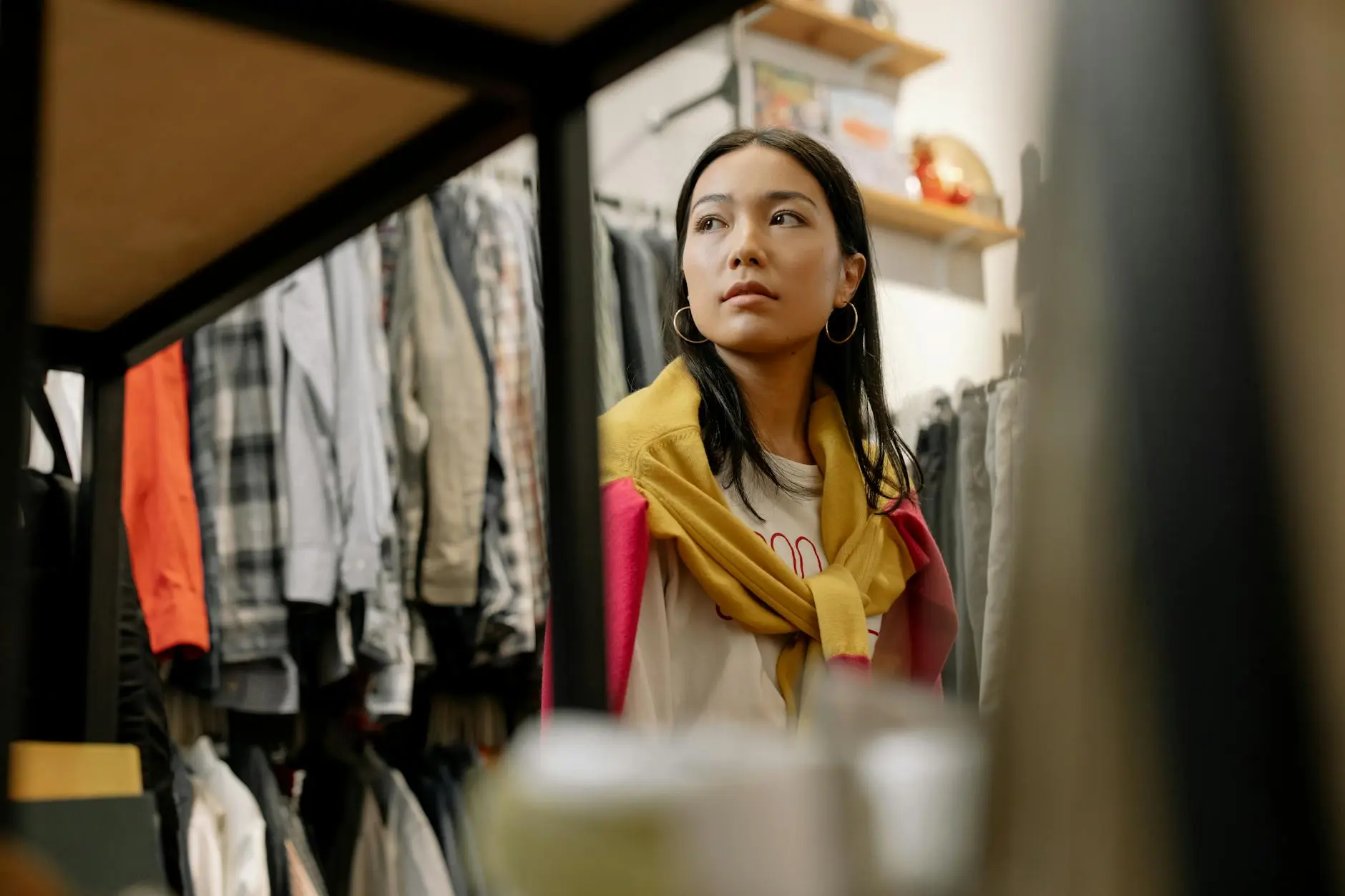
Sustainable fashion has emerged as a defining movement in the clothing industry, with Gen Z consumers driving demand for ethical and environmentally responsible apparel. This generation's purchasing decisions increasingly prioritize sustainability over fast fashion trends, reshaping how brands produce, market, and distribute clothing. According to research from ThredUp at https://www.thredup.com, the secondhand clothing market is projected to reach 77 billion dollars by 2026, demonstrating the significant shift toward sustainable fashion choices.
The environmental impact of traditional fashion production has become impossible to ignore. The fashion industry produces 10% of global carbon emissions and is the second-largest consumer of water worldwide. Gen Z's embrace of sustainable fashion represents a response to these environmental concerns, with young consumers seeking alternatives that align with their values. This shift is forcing brands to reconsider their supply chains and production methods.
Beyond environmental concerns, sustainable fashion encompasses fair labor practices, animal welfare, and transparent supply chains. Gen Z consumers research brands before purchasing, seeking information about manufacturing conditions and corporate ethics. This scrutiny has led to increased brand accountability and the rise of certifications that verify sustainable claims.
Gen Z Drives Sustainable Fashion Demand
Gen Z's influence on sustainable fashion extends beyond their own purchasing decisions to shape broader market trends. This generation uses social media to share information about sustainable brands, expose greenwashing, and promote thrifting and upcycling. Their collective voice has made sustainability a mainstream concern rather than a niche interest.
The preference for sustainable fashion reflects Gen Z's broader values of authenticity and social responsibility. Unlike previous generations who might have prioritized brand names or trends, today's young consumers want their purchases to reflect their beliefs. Clothing has become a form of self-expression that communicates values as much as style.
Thrifting and secondhand shopping have gained cultural cachet among Gen Z, with vintage clothing and resale platforms becoming mainstream fashion destinations. Apps like Depop and Poshmark have created communities around sustainable fashion, where buying used is celebrated rather than stigmatized. This cultural shift represents a fundamental change in how young people think about clothing consumption.
Brands Respond to Sustainable Fashion Pressure
Major fashion brands have responded to sustainable fashion demand with varying degrees of sincerity. Some companies have made genuine commitments to reducing their environmental impact, investing in sustainable materials, and improving supply chain transparency. Others have engaged in greenwashing, making misleading claims about their environmental practices without substantive changes.
Patagonia has emerged as a leader in sustainable fashion, demonstrating that environmental responsibility can coexist with commercial success. The company's repair programs, used clothing marketplace, and environmental activism have set standards for the industry. Other brands are following suit, recognizing that sustainability can be a competitive advantage.
Fast fashion retailers face particular pressure to change their business models, which rely on rapid production cycles and disposable clothing. Some have launched sustainable lines or recycling programs, while critics argue these efforts are insufficient given the scale of their environmental impact. The tension between affordability and sustainability remains a challenge for the industry.
Sustainable Fashion Materials and Innovation
Innovation in sustainable fashion materials is expanding the possibilities for eco-friendly clothing. Organic cotton, recycled polyester, and Tencel have become mainstream alternatives to conventional fabrics. More innovative materials, such as mushroom leather, pineapple fiber, and lab-grown textiles, are entering commercial production.
Biotechnology is enabling new approaches to sustainable fashion production. Lab-grown leather and silk offer animal-free alternatives that require fewer resources than traditional production methods. These innovations promise to reduce the environmental impact of fashion while meeting consumer demand for quality and aesthetics.
Circular fashion concepts are gaining traction, with brands designing clothing for longevity, repairability, and eventual recycling. This approach contrasts with the linear model of produce-use-dispose that has dominated the industry. Closed-loop systems where old clothing becomes new materials represent the future of sustainable fashion.
The Economics of Sustainable Fashion
Sustainable fashion often comes with higher price tags, reflecting the true costs of ethical production and quality materials. This pricing can make sustainable options inaccessible to lower-income consumers, creating tensions between environmental values and economic realities. Addressing this accessibility challenge is essential for sustainable fashion to achieve widespread adoption.
The secondhand market offers more affordable entry points into sustainable fashion, with thrift stores and online platforms providing quality clothing at fraction of retail prices. This democratization of sustainable fashion has been driven by Gen Z's embrace of thrifting as both an economic choice and an environmental statement.
Investment in sustainable fashion startups has increased significantly, with venture capital flowing into companies developing innovative materials, resale platforms, and circular business models. This funding is accelerating the transformation of the fashion industry and creating new opportunities for sustainable alternatives to compete with conventional fashion.
Challenges Facing Sustainable Fashion
Greenwashing remains a significant challenge in sustainable fashion, with brands making misleading claims about their environmental practices. Without standardized certifications and regulations, consumers struggle to distinguish genuine sustainability from marketing spin. This confusion undermines trust and makes informed purchasing decisions difficult.
The scale of fashion's environmental impact means that individual consumer choices, while important, are insufficient to address the problem. Systemic changes in production methods, business models, and consumption patterns are necessary for sustainable fashion to make a meaningful difference. This requires collaboration between brands, policymakers, and consumers.
Global supply chain complexity makes sustainable fashion difficult to achieve, with most clothing involving multiple countries and suppliers in its production. Ensuring ethical practices throughout these complex networks requires significant investment in monitoring and verification. Technology solutions, including blockchain tracking, are emerging to address these challenges.
Conclusion: Sustainable Fashion Future
Sustainable fashion represents more than a trend; it signals a fundamental transformation in how we produce and consume clothing. Gen Z's leadership in this movement reflects their commitment to addressing environmental challenges through individual and collective action. As this generation gains purchasing power, their influence on the fashion industry will only increase.
The future of fashion will likely feature a mix of innovative materials, circular business models, and conscious consumption. Brands that fail to adapt to sustainable fashion expectations risk losing relevance with younger consumers. The transformation is underway, driven by a generation that refuses to accept the environmental and social costs of conventional fashion.
Sustainable fashion demonstrates that style and responsibility can coexist, challenging the notion that environmental concerns require sacrificing aesthetics or quality. As the movement grows, it offers hope that the fashion industry can evolve to meet the needs of both people and planet.
Comments 0
No comments yet. Be the first to share your thoughts!
Leave a comment
Share your thoughts. Your email will not be published.