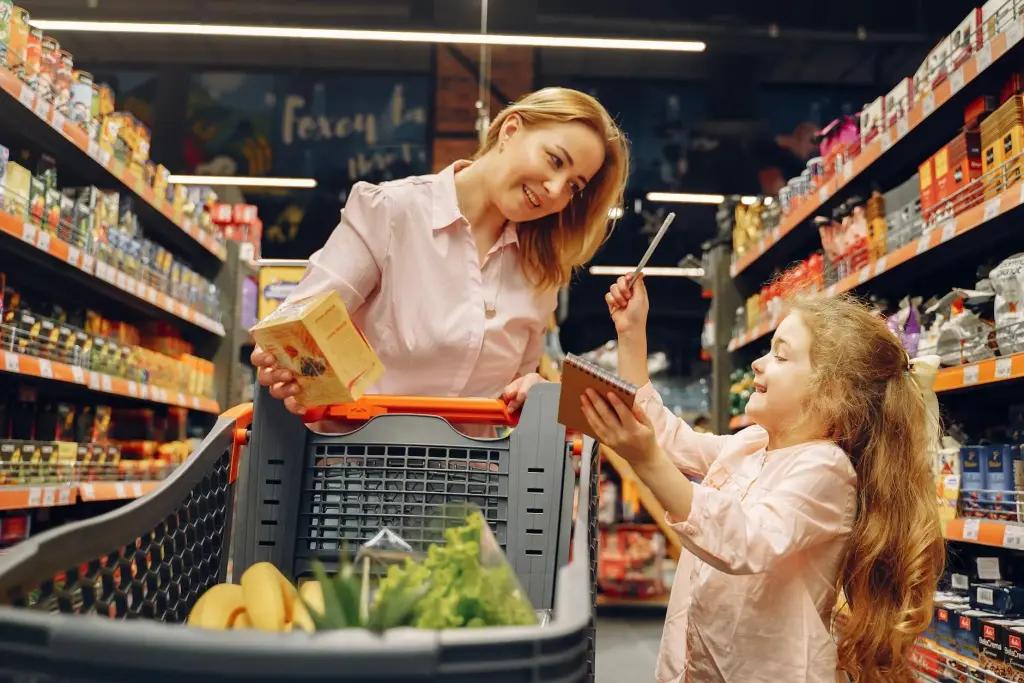
Supermarket tourism is officially the travel hack Gen Z didn't know they needed. Forget expensive museum tickets and crowded landmarks — the new wave of young travelers is swapping guided tours for grocery cart wheels, exploring local aisles instead of ancient ruins. According to Hilton research cited by the Daily Mail, a whopping 77% of travelers are now engaging in this unexpected practice, with 35% planning grocery runs on their next trip. This isn't just about grabbing snacks; it's a whole movement redefining what it means to truly experience a destination.
What Exactly Is Supermarket Tourism?
Supermarket tourism is exactly what it sounds like: visiting local grocery stores, convenience shops, and farmers' markets as a core part of your travel itinerary. Instead of hitting up the usual tourist traps, Gen Z travelers are mapping out the nearest Walmart, Lawson, Family Mart, or local Mercado to see what the locals actually eat. The appeal? It's all about authenticity at a fraction of the cost. Browsing neighborhood stores offers an unfiltered lens on daily life without tickets, schedules, or guided tour groups. As reported by Travel And Tour World, advocates say this trend is about studying packaging, ingredients, pricing, and food habits that reflect national identity and everyday priorities.
Think about it — you can learn more about a country's culture by checking out their cereal aisle than from any guided walking tour. The way products are arranged, what ingredients are prominent, even the packaging designs all tell a story. In Japan, travelers hunt for matcha Kit-Kats, sake, konjac, furikake, and wasabi-coated peas. In France, it's all about fresh cheeses, meat delicacies, and cosmetics. Meanwhile, in the UK, tourists walk local supermarket aisles to understand British food culture, seasonal habits, and regional preferences. According to research from Cafeteria, Gen Z travelers in 2026 are prioritizing direct bookings, experiences, and digital tools for planning their trips.
Why Gen Z Is Leading This Grocery Revolution
Let's be real — Gen Z is broke but wants to experience everything. Rising prices for flights, lodging, and attractions have pushed travelers toward meaningful experiences that don't require extra fees. The thrill of discovering unfamiliar snacks, regional drinks, and distinctive ingredients has become a personal souvenir in its own way. Studies show that in Spain alone, 63% of travelers visit supermarkets while away to discover new flavors. Motives include finding typical foods and drinks (36%), trying local versions of familiar products (31%), and observing daily life (29%).
Social media has only amplified this trend. Creators have posted supermarket "hauls" from Spain, Japan, and beyond, racking up millions of views from fellow travelers eager to replicate the experience. TikTok and Instagram are flooded with videos of people showing off their full carts from abroad — budget-friendly lunch boxes from Japan, fresh cheeses from France, unique cosmetics from Korea. It's part travel diary, part shopping guide, and 100% relatable for a generation that values realness over polish.
The Airbnb factor can't be ignored either. The popularity of these rentals has given visitors kitchens to cook from scratch with fresh local goods from farmers' markets, convenience shops, and chain supermarkets. Even for those still rocking the hotel life, a quick walk to a nearby store provides an easy way to sample regional snacks, inexpensive alcohol, and unusual items without blowing the entire travel budget.
The Cultural Research Behind The Cart
For many participants, the act of grocery shopping abroad doubles as cultural research. Shelf space highlights national tastes, labels reveal language, regulation, and health priorities, and seasonal goods mirror climate and farming traditions. It's basically anthropology 101, but with better snacks. Destination planners have noticed this shift and see practical upsides — supermarket visits distribute foot traffic into residential areas and away from crowded heritage sites while still encouraging exploration.
This trend can also lengthen stays as visitors choose apartments with kitchens and spend more locally. Channeling spending into neighborhood stores rather than only major tourist corridors helps local economies capture more tourism value. Instead of dropping $50 at a tourist-trap restaurant, you're supporting the corner shop owner. That's the kind of travel hack that feels good both financially and ethically. As we move through 2026, this trend shows no signs of slowing down, with more travelers seeking authentic, budget-friendly ways to connect with local cultures.
So next time you're planning a trip, maybe skip the €20 walking tour and grab a basket instead. Your Instagram feed (and your wallet) will thank you. Supermarket tourism proves that sometimes the best experiences aren't found on any landmark map — they're hiding in the condiments aisle.
Comments 0
No comments yet. Be the first to share your thoughts!
Leave a comment
Share your thoughts. Your email will not be published.