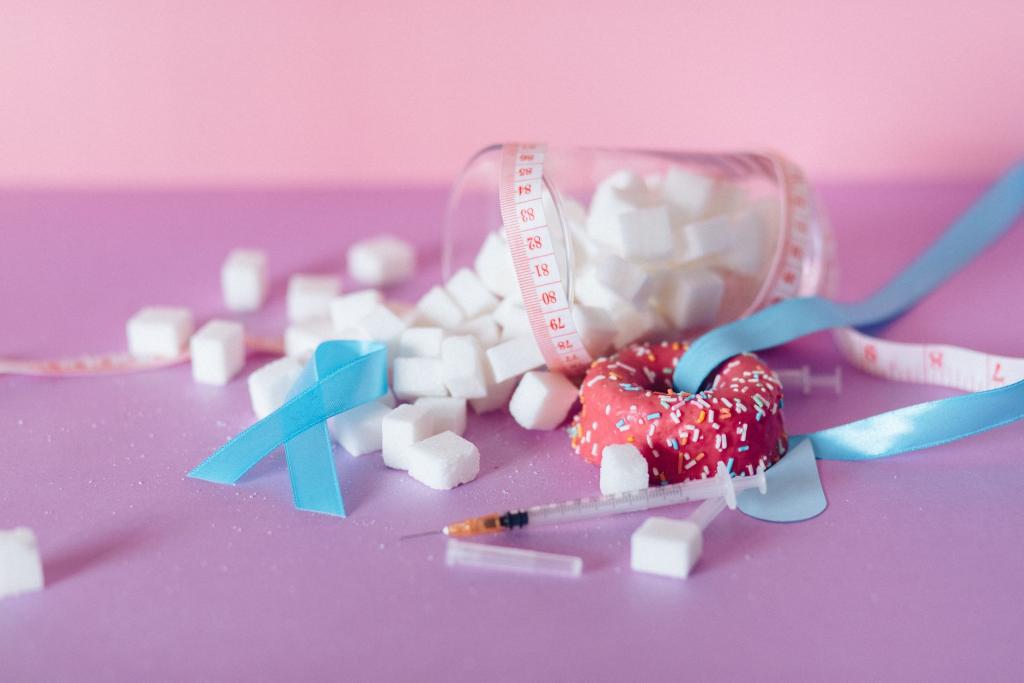
Eating sweets while taking antibiotics may worsen the Gut Damage the drugs do to the trillions of microbes living in the human gut, a study published September 30, 2026 in the journal Nature has found. Researchers led by teams at NYU Langone Health, City of Hope and Memorial Sloan Kettering Cancer Center precisely tracked every food item in 9,419 meals eaten by hospitalized patients with blood cancers, then measured how their gut microbiomes changed around antibiotic treatment. The more sugar patients ate, the deeper the hit: for each extra 100 grams of sugar consumed in the two days before antibiotics, microbial diversity dropped by a further 21%. The finding points to diet as a controllable driver of the damage antibiotics leave behind.
Antibiotics are among the most prescribed medicines in the world, and they are famous for scorched-earth tactics: they kill disease-causing bacteria, but they also wipe out helpful species that aid digestion and keep the immune system calibrated. When diversity collapses, the gut becomes more vulnerable to disease, the study authors said. The new study followed 173 patients during hospitalization from 2017 through 2022, pairing daily diet records with 1,009 stool samples in what the researchers described as one of the largest and most detailed analyses of its kind. That resolution is what let them separate the Gut Damage caused by the drugs from the extra damage linked to sugar.
Sweet fuel for the wrong survivors
The combined hit also reshaped which microbes survived the Gut Damage. Patients who ate more sweets saw blooms of Enterococcus faecium, an opportunistic bacterium tied to hard-to-treat hospital infections that can turn dangerous when it reaches the bloodstream. According to second author William Jogia, the sugars likely act as fuel for the wrong residents: the harmful bacteria that survive antibiotics can use dietary sugars to expand while the rest of the ecosystem lies in ruins. The researchers said it remains unclear whether sugar directly feeds the microbe, weakens its competitors, or works through another route entirely.
Mouse experiments confirmed the pattern under controlled conditions to measure the Gut Damage directly. Animals given the antibiotic biapenem alongside a sucrose-rich diet saw their gut Enterococcus population climb 16.3-fold by day three, rising further to 33.4-fold by day six compared with controls. When the mice ate the sugary diet without antibiotics, there was no effect, showing sugar alone did not change the outcome. The animal results strengthen the human observations, which came from an observational design, by testing the link directly.
What it means when you get a prescription
For most people, the finding touches a familiar scenario: comfort eating while sick. Jonas Schluter, the study's co-senior author and an NYU Langone microbiologist, told CIDRAP News that evidence of collateral Gut Damage from antibiotics keeps growing even in otherwise healthy people, and that cutting back on sweets during a course of treatment is a habit he would practice himself. He said the study "suggests that modifying diet during and after antibiotics, specifically by reducing sweets intake, could help with that." The simple takeaway: when antibiotics are on the table, sweets may be worth skipping to limit that Gut Damage.
There is an uncomfortable irony inside the data. The researchers found that formulated nutritional drinks - sports drinks and nutritional shakes, the kind hospitals routinely recommend to transplant patients - were among the strongest contributors to diversity loss, ahead of naturally occurring sugars. NYU Langone Health announced the findings alongside the journal publication, and the announcement carried an honest caveat: the human side of the study was observational, and it focused on blood-cancer patients whose immune systems were already under extreme strain, so the pattern may not translate directly to healthy people taking a short course of antibiotics. Co-senior study author Marcel van den Brink said the mouse results give a compelling reason to run clinical trials testing whether cutting sugar during antibiotic use can limit Gut Damage and protect the microbiome, and Jonathan Peled, another co-senior author, said designing those trials is the important next step.
Outside experts see the logic in the "second hit" framing. Martin Blaser, who directs the Center for Advanced Biotechnology and Medicine at Rutgers University and was not involved in the work, said: "Sugar can be seen as a second hit: this study shows the synergistic effect of the two perturbers." If trials confirm the effect in broader groups, dietary guidance around one of medicine's most common prescriptions could change, turning a small act of restraint into a way to limit Gut Damage before it starts.
Comments 0
No comments yet. Be the first to share your thoughts!
Leave a comment
Share your thoughts. Your email will not be published.