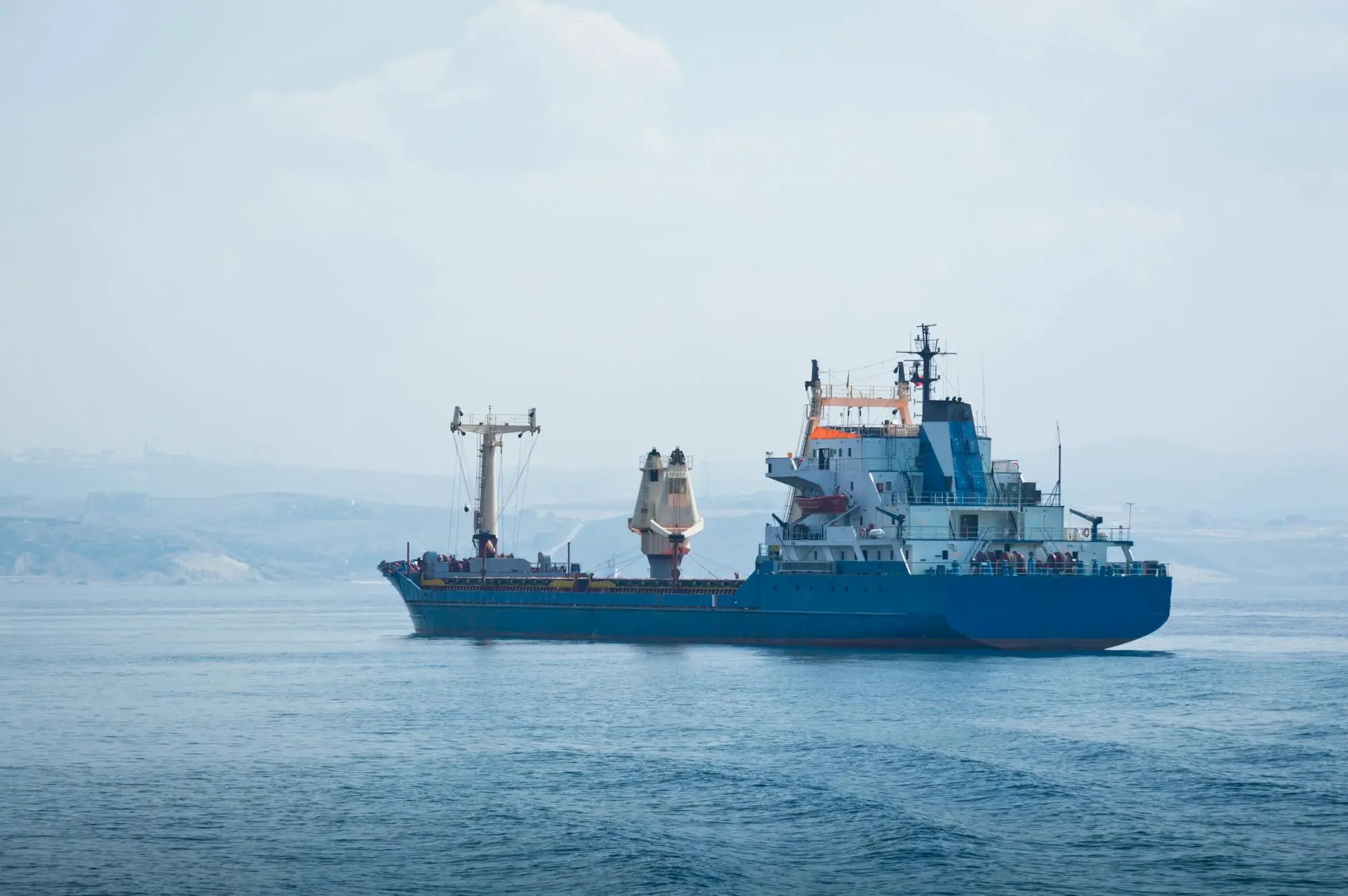
The Strait of Hormuz crisis has escalated dramatically as Iran's new Supreme Leader Mojtaba Khamenei vows to keep the vital waterway closed, sending global oil prices surging past $100 per barrel for the first time in years. This developing situation represents one of the most significant disruptions to global energy markets in a generation, with ripple effects touching everything from gas prices to grocery bills.
According to CNN, the Strait of Hormuz normally transports about 20% of the world's oil and liquified natural gas. Since the US-Israel war on Iran began on February 28, traffic through the strait has effectively ground to a halt. According to the United Kingdom Maritime Trade Operations center, no more than five ships have passed through the waterway each day since the war started, compared with an average of 138 daily transits before the conflict.
How the Strait of Hormuz Crisis Hits Your Wallet
The Strait of Hormuz crisis is not just a geopolitical headline—it is already affecting everyday costs for Gen Z. According to Axios, average gasoline prices in the United States have risen 17% since the war began. Gulf Oil analyst Tom Kloza warned that if the strait remains closed, diesel prices could hit $4.50 to $5 per gallon, with gasoline reaching $4 in many places.
Goldman Sachs has issued an even more alarming forecast, warning that oil prices could breach $100 a barrel within days and reach $150 by the end of March if the disruption continues. For a generation already dealing with high housing costs, student debt, and inflation, this energy crisis adds another layer of financial pressure.
The impact extends beyond the gas pump. Higher oil prices mean increased transportation costs for goods, which translates to higher prices for everything from groceries to clothing. As NPR reports, the last time oil prices were this high was during Russia's invasion of Ukraine in 2022, which triggered a global cost-of-living crisis that disproportionately affected young people entering the workforce.
Global Fallout from the Strait of Hormuz Crisis
The Strait of Hormuz crisis has forced major oil producers to slash output. Kuwait announced it is cutting oil production due to Iranian threats against safe passage of ships. Other Gulf Arab countries face similar pressures, and JPMorgan estimates that production cuts could exceed 4 million barrels per day by the end of March if the strait remains closed.
The economic impact is already visible in global stock markets, which have tumbled as investors price in the risk of prolonged energy disruptions. European and Asian economies, heavily dependent on Middle Eastern oil, face particular vulnerability. The G7 energy ministers convened in Paris this week specifically to address the crisis and its impact on global oil and gas markets.
According to energy market analysts at Marex, even strategic petroleum reserves released by the International Energy Agency only buy a few days of relief. The critical factor remains the war's duration and whether the Strait of Hormuz can be reopened safely. While a closure could theoretically reverse quickly once hostilities end, infrastructure damage and ongoing security concerns could keep oil flows restricted for months.
What Gen Z Needs to Know About the Crisis
The Strait of Hormuz crisis highlights how quickly global events can reshape economic realities for young people. Unlike previous energy crises, this one comes amid broader geopolitical tensions and technological transitions in the energy sector. For Gen Z planning careers, understanding energy security and alternative technologies becomes increasingly relevant.
Climate-conscious young people face a complex dynamic here. While high oil prices could theoretically accelerate the transition to renewable energy, the immediate pain hits hardest those with the least financial cushion. Public transit, remote work flexibility, and energy-efficient lifestyles become not just environmental choices but economic necessities.
According to foreign policy experts, Iran's strategy of using the strait as what Khamenei called a "tool of pressure" demonstrates how geographic chokepoints remain potent weapons even in the 21st century. For a generation growing up with digital connectivity, these reminders of physical world vulnerabilities carry particular weight.
As the Strait of Hormuz crisis unfolds, staying informed about both the geopolitical dynamics and practical economic impacts becomes essential. Whether this remains a short-term disruption or develops into a prolonged global energy crisis depends on developments in the coming weeks, making this a story with real consequences for Gen Z's immediate future.
Comments 0
No comments yet. Be the first to share your thoughts!
Leave a comment
Share your thoughts. Your email will not be published.