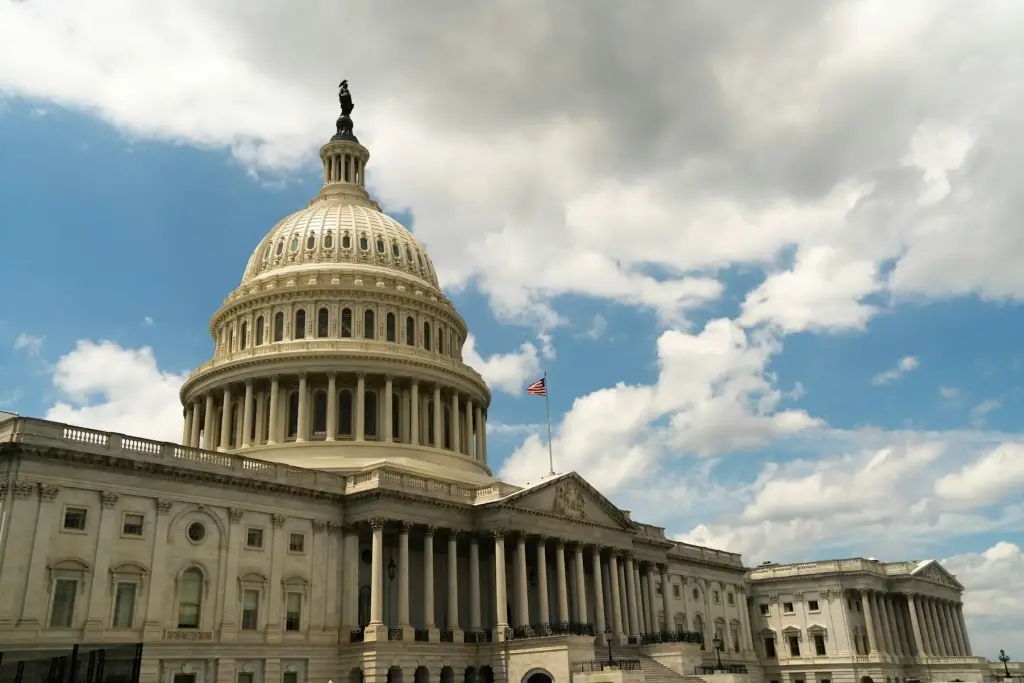
A coalition of two dozen states and ten cities just filed a major EPA climate lawsuit challenging the Trump administration repeal of the "endangerment finding" — a scientific determination that had been the backbone of U.S. climate regulation for nearly two decades. The legal battle, led by New York Attorney General Letitia James alongside attorneys general from Massachusetts, California, and Connecticut, aims to restore the EPA authority to regulate greenhouse gas emissions under the Clean Air Act. If you are wondering what this means for the planet and your future, here the breakdown. The EPA climate lawsuit is making headlines across the country.
What Is the Endangerment Finding?
Back in 2009, the EPA issued a groundbreaking scientific finding determining that carbon dioxide and other greenhouse gases threaten public health and welfare. This determination, known as the endangerment finding, became the legal foundation for federal climate regulations, giving the EPA the authority to set emissions standards for vehicles, power plants, and industrial facilities. According to the Associated Press, the finding had been the central basis for U.S. action to regulate greenhouse gas emissions and fight climate change for over fifteen years.
The endangerment finding was literally the reason the EPA could even regulate climate pollution in the first place. Without it, the agency loses its main tool for enforcing emissions limits. As reported by The Guardian, the finding underpinned much of U.S. climate policy, including standards for cars, power plants, and other major sources of greenhouse gas pollution. California Governor Gavin Newsom called it the "backbone" of federal climate policy at a recent news conference.
Why the EPA Climate Lawsuit Matters
In February 2026, the Trump administration finalized the repeal of the endangerment finding, with President Donald Trump calling it a "scam" that "has nothing to do with public health." An EPA spokesperson stated that the agency "carefully considered and re-evaluated" the finding in light of recent court decisions, including a 2022 Supreme Court ruling that limited how the Clean Air Act can be used to reduce carbon dioxide emissions from power plants. The administration claims the EPA lacks "statutory authority to prescribe motor vehicle emission standards for the purpose of addressing global climate change concerns."
But environmental advocates and state officials are not buying it. "Instead of helping Americans face our new reality, the Trump administration has chosen denial, repealing critical protections that are foundational to the federal government response to climate change," said Attorney General Letitia James, as reported by CNN. The coalition alleges the repeal violates both the Clean Air Act and the Administrative Procedure Act by resting on what they call a "flawed assertion" that ignores overwhelming scientific evidence about greenhouse gas emissions and human health.
This EPA climate lawsuit is about way more than politics — it is about whether the federal government can protect people from climate change or not. The transportation sector is the largest source of greenhouse gas emissions in the U.S., accounting for about half of emissions in states like California, according to the Los Angeles Times. Without the endangerment finding, standards for cars and trucks could be rolled back, potentially locking in higher emissions for decades.
What Happens Next in Court?
The coalition filed their petition for review in the U.S. DC Circuit Court of Appeals, which will be the main legal battleground for this fight. According to CNN, the court is expected to hear arguments about whether the EPA repeal is legally valid and whether it properly considered the scientific evidence. Environmental groups also filed their own lawsuit last month challenging the revocation, joining states in what promises to be a lengthy legal process.
The Sierra Club, one of the organizations involved in the litigation, called the repeal "climate denialism and the EPA abandoning its responsibility to protect us from climate change." Massachusetts Attorney General Andrea Campbell pointed out that her office "led the fight to force the federal government to protect the American people from the proven dangers of greenhouse gas emissions" over two decades ago, and they are ready to do it again.
This case could take years to resolve, but the states are playing the long game. They know that climate change is not waiting for court decisions, and they are determined to use every legal tool available to keep fighting for environmental protections. The outcome will likely shape U.S. climate policy for generations to come. Check out our coverage of the latest political news and climate emergency updates for more information on this developing story.
Comments 0
No comments yet. Be the first to share your thoughts!
Leave a comment
Share your thoughts. Your email will not be published.