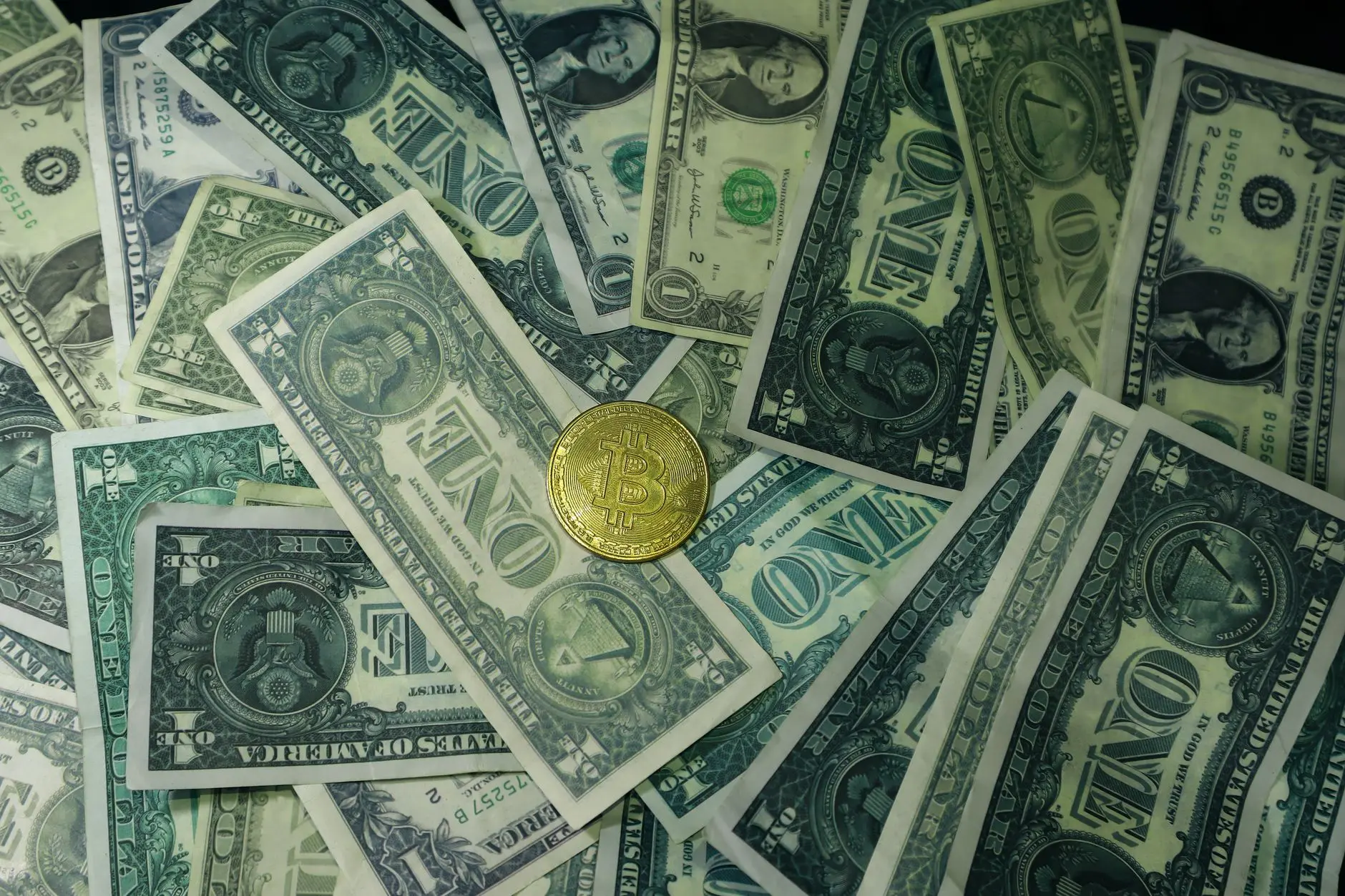
More crypto coverage. For most of crypto's history, the practical question for ordinary users was the same: how do you turn a token back into a dollar without losing 5 percent on the way? Stablecoins were the answer. A stablecoin is a digital token whose value is pegged to a real currency, almost always the U.S. dollar, so one token is supposed to always be worth one dollar.
Last month, President Donald Trump signed the GENIUS Act into law, giving stablecoins their first comprehensive federal regulatory framework in the United States, according to the Associated Press apnews.com. That changes the calculus for everyone who uses, holds, or builds on top of stablecoins, and it puts pressure on every other country to decide where it stands.
The same AP reporting notes that China is exploring a yuan-pegged stablecoin to support the international use of its currency. Hong Kong already has its own stablecoin regime. The European Union is finishing its MiCA rules for crypto issuers, including stablecoins. The result is that the same digital dollar is being regulated in three or four very different ways at the same time.
What the GENIUS Act Actually Does
The GENIUS Act does not make stablecoins legal tender. They are still private instruments, not government money. What it does is set the rules of the road for any company that wants to issue a U.S. dollar stablecoin or serve U.S. customers.
The law requires stablecoin issuers to hold reserves in cash, short-term Treasuries, or other low-risk assets equal to the face value of their outstanding tokens. It requires regular audits and disclosures. It bars yield, meaning stablecoin issuers cannot pay interest to token holders the way a bank pays interest on deposits. And it gives federal banking regulators, primarily the Office of the Comptroller of the Currency, primary oversight over the largest issuers.
Tether, the issuer of USDT, the largest stablecoin by trading volume, is incorporated outside the United States and has been opaque about its reserves. The new law puts pressure on Tether either to come into compliance for the U.S. market or to be pushed out of it. Circle, the issuer of USDC, is already based in the United States and is broadly seen as the biggest beneficiary of the new rules.
For users, the practical effect is that holding U.S. dollar stablecoins through a regulated U.S. issuer should now be roughly as safe as holding dollars in a money market fund at a bank, minus the FDIC insurance.
Why Stablecoins Matter Beyond Crypto
Stablecoins started as a tool for crypto traders to move money between exchanges without using bank wires. That is still most of the trading volume. But the bigger story is that stablecoins are becoming a parallel payments system, especially for cross-border transfers.
Remittance companies like Western Union and MoneyGram have dominated the global cross-border payments market for decades, often charging fees above 5 percent for a single transfer. Stablecoin transfers on public blockchains can be settled in seconds for fees that are typically a fraction of a cent. According to the World Bank, global remittance flows were above 800 billion dollars in 2024, and even a modest share moving to stablecoin rails is a multi-billion-dollar shift. More crypto coverage
For Gen Z users with family abroad, stablecoins are already a real option. Apps like Strike, MoneyGram's mobile wallet, and a growing list of banks now let users send dollars through stablecoins with much lower fees than the traditional wire networks.
The risk is the same one that has hung over stablecoins since the beginning. If the issuer cannot honor redemptions, the token breaks its peg, and holders can lose money. That is what happened to TerraUSD in 2022, and it has happened to smaller issuers since. The GENIUS Act is designed to make that harder in the U.S. market, but it does not eliminate the risk in offshore markets.
The Global Race for Stablecoin Dominance
The U.S. move is putting pressure on every other major economy.
China is the most aggressive. The State Council is preparing a plan that could include a yuan-pegged stablecoin to internationalize the yuan, according to the same AP report. China has banned retail trading of decentralized cryptocurrencies since 2021, but it has allowed Hong Kong to build a regulated stablecoin market to keep the city competitive as a digital finance hub. A yuan stablecoin, if it ships, would mostly compete with the dollar in cross-border trade, especially with countries that already use the yuan for energy purchases.
The European Union's MiCA rules, fully in force since 2024, require stablecoin issuers to be authorized in an EU member state, hold reserves in low-risk assets, and meet strict disclosure rules. The rules have driven some major issuers, including Tether, out of the European market entirely.
India, Japan, Singapore, and the United Arab Emirates are each writing their own stablecoin frameworks. The Gulf states in particular see stablecoins as a way to extend the international use of their currencies and to make their financial hubs more competitive.
The result is that the next few years will see stablecoin rules diverge sharply across borders, the same way data privacy rules diverged after GDPR. U.S. dollar stablecoins will dominate the U.S. market and most of the Americas. Yuan stablecoins will be the default in much of East and Central Asia. Euro stablecoins will carve out a regulated niche in Europe. Offshore issuers will serve the rest, including most of the Global South.
What This Means for Gen Z
The next generation of money is going to look different from the last one.
For users in countries with weak currencies, stablecoins already offer a way to save in dollars without opening a U.S. bank account. For users who move money internationally, the fees are dropping. For users who hold crypto, stablecoins are now a federally regulated asset class, not a fringe experiment.
For anyone working in finance, payments, or software, the message is that stablecoins are now a permanent part of the toolkit. The companies that figure out how to build compliant, fast, and cheap products on top of stablecoin rails are going to be the ones defining the next decade of money.
The dollar still wins, for now. But the rules of how it gets used are being rewritten in real time, and Gen Z is the first generation that will live entirely under the new rules.
Comments 0
No comments yet. Be the first to share your thoughts!
Leave a comment
Share your thoughts. Your email will not be published.