SpaceX is on the verge of launching its most powerful rocket yet with the SpaceX Starship V3. According to recent reports from Space.com, Elon Musk has confirmed that the next-generation spacecraft is targeting its maiden flight in April 2026. This launch marks a pivotal moment in space exploration history and represents years of engineering breakthroughs finally coming together for this historic mission.
What Makes SpaceX Starship V3 Different?
The SpaceX Starship V3 represents a massive leap forward from its predecessors. Standing approximately five feet taller than the V2 version, this upgraded rocket features groundbreaking improvements including new Raptor 3 engines that are lighter, more powerful, and fully reusable. According to Space.com, the upper stage designated Ship 39 recently completed rigorous cryogenic pressure testing, validating its redesigned propellant system and structural integrity. These upgrades are essential for achieving the ambitious goals SpaceX has set for the future of space travel and interplanetary missions.
The Race for Full Reusability
SpaceX is pushing the boundaries of what is possible with rocket technology today. The company plans to attempt catching the massive Super Heavy booster using robotic arms on the launch tower—a feat never accomplished before in aerospace history. However, Musk has emphasized that this daring maneuver will only happen after two successful ocean landings demonstrate extremely low risk levels. This cautious approach shows SpaceX's commitment to safety while pursuing revolutionary technology. The ability to catch and reuse both the booster and ship would dramatically reduce launch costs and make space access more affordable for everyone.
Critical for NASA's Lunar Ambitions
The stakes could not be higher for NASA's Artemis program and the future of American space exploration. According to a report from the NASA Office of Inspector General, continued delays in Starship development could jeopardize the agency's moon landing schedule. NASA is counting on SpaceX to deliver a lunar lander version of Starship for its Artemis missions. The SpaceX Starship V3 must overcome the unprecedented technical challenge of in-space refueling to be certified for crewed lunar missions—a critical milestone for returning humans to the Moon.
Technical Upgrades Under the Hood
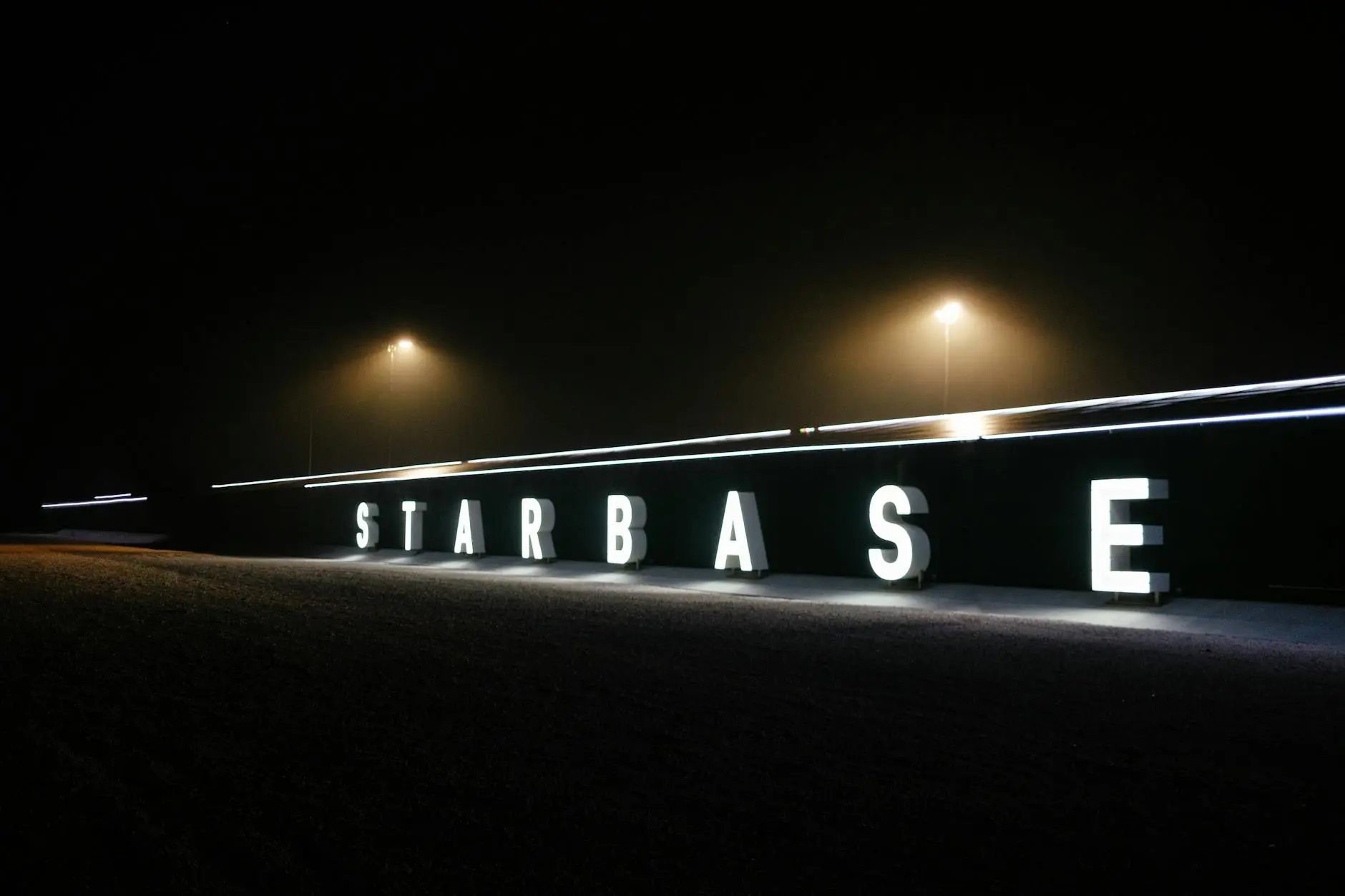
Booster 19, the first V3 Super Heavy booster, has been rolled into position at Starbase in Texas for final preparations. Key upgrades include a new fuel propellant transfer tube—roughly the same size as a Falcon 9 rocket—to enable rapid refueling and simultaneous engine startup. SpaceX has also enhanced Pad 2 with improved safety and heat management systems to support these more powerful vehicles. These infrastructure improvements are necessary to handle the increased power and thermal load that the V3 generation brings to the launch pad.
What This Means for Gen Z Space Enthusiasts
For a generation that grew up watching SpaceX transform the space industry, the V3 launch represents the next chapter in humanity's expansion beyond Earth. With a payload capacity of up to 100 tons, SpaceX Starship V3 could enable everything from lunar bases to Mars missions within our lifetime. The technology being tested today could literally shape the world Gen Z inherits tomorrow. This generation may witness the first humans setting foot on Mars, enabled by the very rockets being tested right now at Starbase.
Countdown to April 2026
As testing continues at Starbase in Boca Chica, Texas, all eyes are on April 2026. SpaceX needs to complete static fire tests and final certifications before the historic Flight 12 can lift off. The upgraded Raptor 3 engines represent a significant advancement in rocket propulsion technology, offering better efficiency and reliability than previous generations. If successful, this launch could pave the way for fully reusable space transportation and bring Musk's vision of making humanity multi-planetary one step closer to reality.
The space industry is watching closely as SpaceX prepares for this milestone. Other companies like Blue Origin are also developing their own lunar landers, creating healthy competition that drives innovation forward. For Gen Z viewers who have followed every SpaceX launch on social media, the Starship V3 represents the culmination of years of development and the beginning of a new era in space exploration that will define their generation's place in history.
Comments 0
No comments yet. Be the first to share your thoughts!
Leave a comment
Share your thoughts. Your email will not be published.