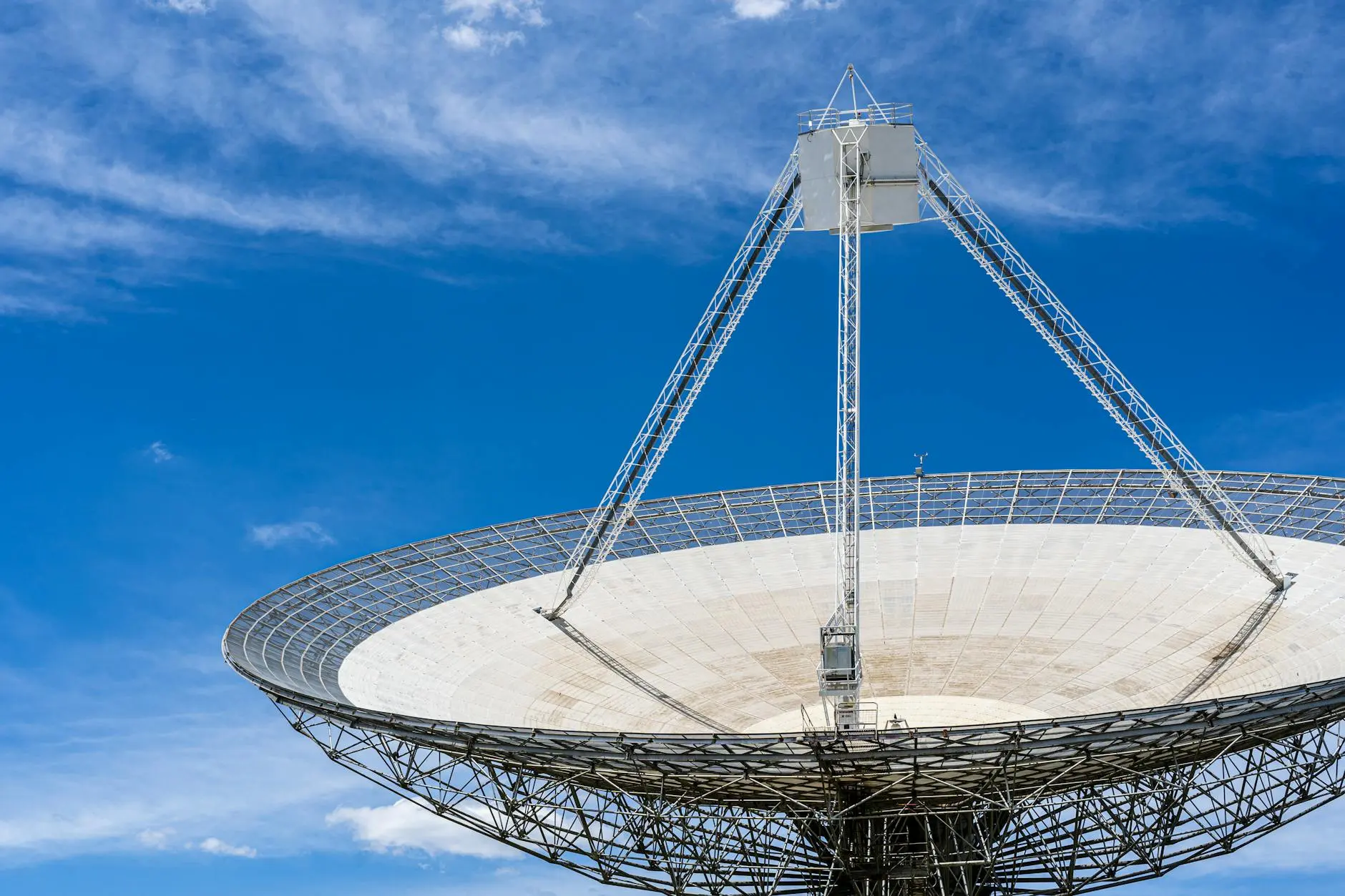
Space-based AI is about to become reality. Later this year, startup Loft Orbital plans to launch a 10-satellite constellation specifically designed to run artificial intelligence in orbit, marking a significant leap forward for both the space industry and machine learning applications.
What Is Loft Orbital Building?
Loft Orbital, a San Francisco-based space infrastructure company, is preparing to deploy satellites that can process data using artificial intelligence while orbiting Earth. Unlike traditional satellites that simply collect data and beam it back to ground stations, these AI-powered satellites will be able to analyze information in real-time while in orbit.
According to Forbes, the constellation will focus on real-world applications including environmental monitoring, disaster response, and law enforcement support. By processing data in space rather than on Earth, these satellites can deliver insights faster and reduce the bandwidth needed for transmitting raw data back to the ground.
Why Space-Based AI Matters
The concept of processing data in space—often called "edge computing in orbit"—addresses several limitations of traditional satellite operations. Currently, most satellites act as simple data collectors, capturing images and sensor readings and then transmitting everything back to Earth for analysis. This approach creates delays and requires massive bandwidth.
AI-powered satellites change this dynamic entirely. They can analyze images to detect changes in real-time, identify specific objects or patterns, and only transmit relevant findings rather than raw data dumps. For applications like monitoring deforestation, tracking natural disasters, or identifying security threats, this capability could be transformative.
For more on how AI is transforming industries, explore our AI News coverage and read about the latest tech innovations shaping our future.
The Bigger Picture: Space as the Next AI Frontier
Loft Orbital is not alone in recognizing space as the next frontier for AI deployment. Major technology companies including SpaceX, Nvidia, Google, and Blue Origin have all announced plans for space-based data centers and computing infrastructure. The race to establish AI capabilities in orbit is heating up rapidly.
Space-based AI offers unique advantages that Earth-bound data centers cannot match. Satellites can capture and process data from anywhere on Earth without being constrained by national borders or terrestrial infrastructure limitations. They can also provide persistent monitoring capabilities that would be impossible to achieve from the ground.
Looking further ahead, the implications become even more significant. As one industry expert noted in the Forbes report, quantum computing capabilities may be available within five years, potentially making current AI applications seem small by comparison. The combination of quantum computing and space-based infrastructure could unlock entirely new categories of scientific and commercial applications.
What This Means for Gen Z
For Generation Z, the rise of space-based AI represents both career opportunities and broader societal implications. As the space economy expands, new job categories are emerging that blend aerospace engineering with machine learning expertise. Companies like Loft Orbital are creating roles that did not exist just a few years ago.
Beyond career paths, space-based AI could fundamentally change how we monitor and respond to global challenges. Climate change tracking, disaster response coordination, and resource management could all benefit from persistent, intelligent observation from orbit. The technology being developed today may become essential infrastructure for addressing tomorrow's most pressing problems.
Challenges and Considerations
Despite the promise, space-based AI faces significant hurdles. The harsh environment of space—extreme temperatures, radiation exposure, and vacuum conditions—creates engineering challenges that increase costs and complexity. Satellites must be designed to operate autonomously for years without physical maintenance.
Regulatory frameworks for space-based activities also remain underdeveloped. Questions about data ownership, privacy, and national security implications of AI-powered observation from orbit will need to be addressed as these capabilities become more widespread.
Additionally, the proliferation of satellites in low Earth orbit has already raised concerns about space debris and the long-term sustainability of orbital environments. Adding AI processing capabilities does not eliminate these challenges and may in fact complicate them as satellites become more complex and valuable.
The Bottom Line
Loft Orbital's planned launch this fall represents a milestone in the evolution of artificial intelligence. By bringing AI processing into space, the company is helping to establish a new paradigm for how we collect, analyze, and act on information about our planet.
For Gen Z observers, this development offers a glimpse into a future where the boundary between digital and physical infrastructure becomes increasingly blurred. Space is no longer just a destination for exploration—it is becoming an integral part of our technological ecosystem. The satellites launching this fall may be just the beginning of a much larger transformation in how humanity leverages artificial intelligence.
Comments 0
No comments yet. Be the first to share your thoughts!
Leave a comment
Share your thoughts. Your email will not be published.