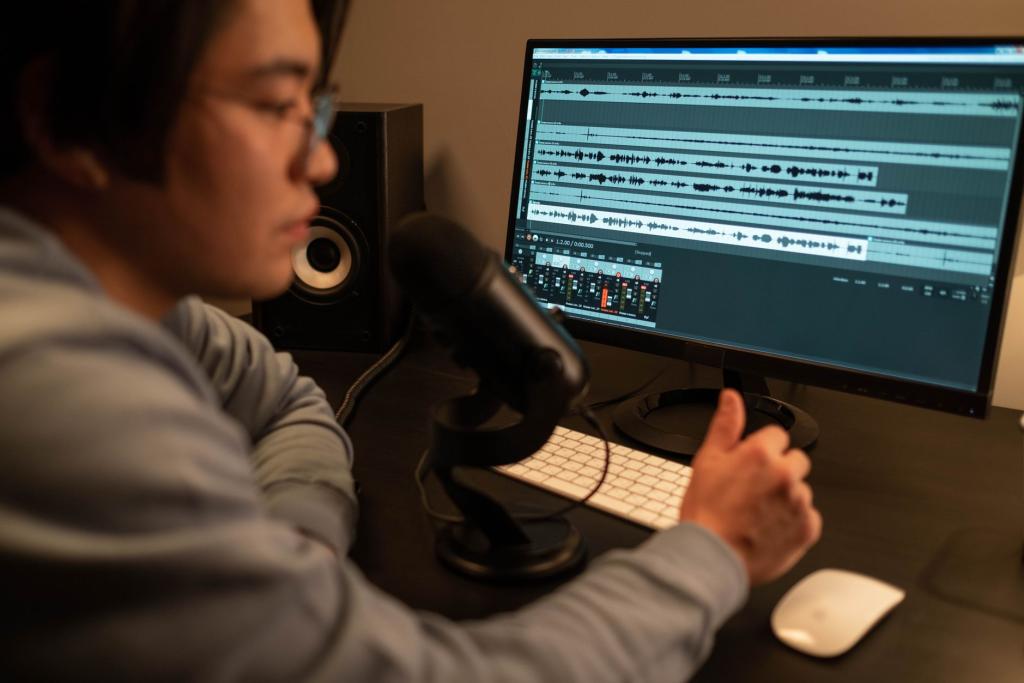
A San Francisco startup wants to be the reason your AI video clips finally sound as good as they look. Sonilo, a generative-audio company founded by former TikTok AI and music executives, has raised eleven million dollars in its first funding round, led by B Capital with participation from Redpoint, as reported by the SaaS News. The company says the money will pay for the computing power needed to scale its models, expand across creator and developer platforms, and build out a music-licensing business.
Unlike the text-prompt music generators crowding the AI video space, Sonilo starts from the footage itself. Its core product, which the company calls its Sound World Model, is a multimodal system that watches a finished video frame by frame, reads the pacing, emotional shifts and story, then generates original music and sound effects timed to the edit. Creators upload a clip and get back multiple soundtrack options, or they can combine video with a written description. The same platform also handles text-to-music, AI dubbing with lip sync, and automatic audio ducking, and it runs on a free web plan plus an API for developers.
The AI video soundtrack that skips the text prompt
The footage-first approach is what sets Sonilo apart from other AI video sound tools. Most generators ask you to describe the vibe you want in words; Sonilo argues the footage already contains that information. A chase scene carries its own tempo, a slow montage its own mood, and the system is built to hear it. According to Music Ally, the technology is designed to recognize an AI video's pacing, emotion and storyline and generate audio that lines up with it convincingly. Chief executive Shawn Song summed up the pitch this way, as reported by Dealroom: "you give us the footage, and Sonilo understands what's happening frame by frame." The company also says videos scored with its music saw a sixteen percent lift in engagement, with audiences watching longer and sharing more, in results shared alongside its launch on the fal.ai platform.
Sonilo has moved fast since launching independent operations in April 2026. It became a native node inside ComfyUI, the open-source AI workflow tool used by more than four million creators, landed on fal.ai where it can score videos up to ten minutes long, shipped its latest model update refining video-to-music quality, and signed TapNow as an early distribution partner. A consumer app aimed at individual creators is planned for the fourth quarter of the year. The October 2026 funding round caps a half-year sprint from launch to venture backing, and puts the startup on the radar of every AI video platform looking for a soundtrack layer.
Licensed music is the real moat
The louder bet is on copyright. Sonilo trains on professionally licensed catalogs, including a partnership with Shutterstock that the company describes as the stock giant's first with a video-to-music AI platform. Under the deal, Sonilo licensed Shutterstock's music catalog for model training, musicians get compensated, and every generated track arrives cleared for commercial use, covering client work, ads, films and monetized AI video posts. In the announcement, Song drew the contrast with rivals plainly, writing that Sonilo chose a path where "artists are compensated from day one."
That positioning lands at a tense moment for AI music. Suno, the best-known text-to-music startup, raised four hundred million dollars at a valuation above five billion dollars while still fighting copyright lawsuits from Universal and Sony. Copyright infringement cases against AI companies have reportedly surged more than one hundred thirty percent year over year, according to TechIntelPro. For creators who earn a living from their posts, the difference between a soundtrack that is merely impressive and one that is legally safe to publish is the entire business model.
What AI video creators actually get
The founding team reads like a TikTok alumni reunion. Song led multimodal AI work at the short-video giant, chief technology officer Alex Yin worked alongside him, chief operating officer Keli Li built and ran TikTok's global music operation, and chief marketing officer Trista Taylor helped develop consumer AI apps that landed on a prominent venture firm's annual top-fifty ranking, as reported by Dealroom. For AI video creators, the pitch is practical: upload the finished edit, get a synced score back in seconds as a separate audio track that can be mixed without touching dialogue, and post it without needing a licensing department. The music arrives as an independent track, so voiceover, interviews and narration stay intact. Sonilo says the separate-track design also lets editors adjust the score's volume on its own.
Skeptics remain unconvinced that generated scores can move an audience the way a human composer does, and training the models behind them is brutally expensive, which is exactly where the new funding goes first. Sonilo's answer is that the bar for most online video is not a film score; it is music that fits the cut, clears rights, and ships the same day. Whether that is enough to define a new layer of the AI video stack is the question the next year of releases will answer. Either way, the raise continues a busy season for AI creative tools: Melius recently raised twenty-five million dollars to build AI agents for ad creative, covered on GenZ NewZ's AI News beat, and you can read that story here.
Comments 0
No comments yet. Be the first to share your thoughts!
Leave a comment
Share your thoughts. Your email will not be published.