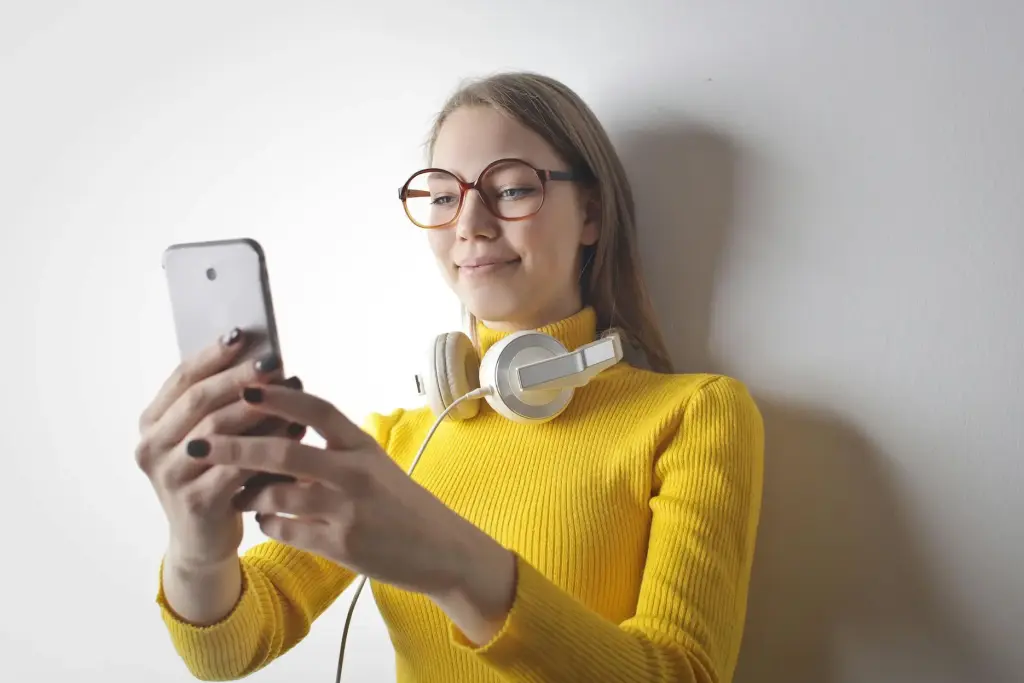
Social media culture has fundamentally transformed how Gen Z communicates, forms relationships, and constructs identity. Unlike previous generations who maintained clearer boundaries between online and offline selves, today's young people grew up with social media as an integral part of daily life. Platforms like TikTok, Instagram, and Snapchat are not merely tools for communication but entire ecosystems that shape self-perception, social norms, and cultural trends. Understanding social media culture is essential for navigating the digital landscape while maintaining authenticity and wellbeing.
How Social Media Culture Shapes Identity
Social media culture creates new contexts for identity formation that differ dramatically from previous generations. Young people today curate public personas through carefully selected photos, crafted captions, and strategic sharing. This performative aspect of social media culture creates pressure to present idealized versions of life while managing the gap between public image and private reality. The concept of personal branding, once reserved for celebrities and businesses, now applies to ordinary individuals building online followings.
The feedback mechanisms embedded in social media culture profoundly affect self-worth and identity. Likes, comments, shares, and follower counts provide quantifiable measures of social validation that can become addictive. Research shows that receiving social media engagement triggers dopamine release similar to other rewarding behaviors, creating psychological patterns that keep users returning to platforms. For young people whose identities are still forming, this feedback can shape self-concept in ways that persist into adulthood.
Social media culture also enables exploration of identity in ways that were not previously possible. Young people can connect with communities that share their interests, values, and experiences regardless of geographic location. For those questioning their sexuality, exploring gender identity, or developing niche interests, social media provides access to supportive communities and role models. This aspect of social media culture has been particularly valuable for marginalized groups who may lack local support networks.
The Pressure of Viral Culture and Trends
Viral culture represents a defining feature of social media culture that creates both opportunities and pressures. The possibility of overnight fame through viral content motivates constant creation and sharing. Dance challenges, comedy skits, and lifestyle content compete for attention in algorithmic feeds that reward engagement above all else. This environment creates pressure to participate in trends, even when they feel inauthentic or uncomfortable.
The lifecycle of trends in social media culture moves at unprecedented speed. What captures attention today may be forgotten tomorrow, creating pressure for constant content creation. This acceleration affects not just content creators but all users who feel compelled to stay current and participate in trending conversations. The fear of missing out, FOMO, drives engagement even when users would prefer to disconnect.
Comparison culture thrives in social media culture as users constantly encounter curated highlight reels of others' lives. Travel photos, relationship announcements, career achievements, and lifestyle content create benchmarks against which users measure their own lives. Research consistently links social media use to increased social comparison and decreased life satisfaction. Learning to recognize and resist these comparison patterns is essential for maintaining mental health within social media culture.
Building Authenticity in a Curated World
Authenticity within social media culture requires intentional choices about what to share and how to present oneself. Some creators have found success through radical authenticity, sharing struggles and imperfections alongside successes. This approach resonates with audiences fatigued by polished perfection and creates more sustainable relationships between creators and followers. However, even authentic sharing involves curation and performance, raising questions about whether true authenticity is possible within social media culture.
Setting boundaries is crucial for maintaining authentic identity within social media culture. Deciding what aspects of life remain private, when to disconnect from platforms, and how to respond to negative interactions protects psychological wellbeing. Many young people are increasingly aware of the need for boundaries, with movements encouraging digital detoxes and reduced screen time gaining traction. Finding balance between online engagement and offline life is an ongoing challenge.
Critical media literacy helps navigate social media culture more effectively. Understanding how algorithms work, recognizing sponsored content, and identifying misinformation enables more conscious platform use. Educational initiatives are increasingly incorporating digital literacy into curricula, preparing young people to engage with social media culture thoughtfully. These skills empower users to make informed choices rather than being passive consumers of platform content.
The Future of Social Media Culture
Social media culture continues to evolve as platforms introduce new features and user behaviors adapt. Short-form video has emerged as the dominant content format, with TikTok's success driving similar features across platforms. Live streaming, augmented reality filters, and interactive content create new possibilities for expression and connection. The platforms that define social media culture today may be replaced by new entrants, but the fundamental dynamics of online identity and community will likely persist.
Regulatory attention to social media culture is increasing as policymakers grapple with concerns about mental health, privacy, and misinformation. Age verification requirements, content moderation standards, and data protection regulations may reshape how platforms operate. Young people who have grown up within social media culture are increasingly vocal about their interests being represented in these policy debates, advocating for changes that prioritize wellbeing over engagement metrics.
As reported by Pew Research Center and Common Sense Media, social media culture represents both opportunity and challenge for Gen Z. The ability to connect globally, express creativity, and build communities offers genuine benefits. At the same time, the pressures of constant performance, comparison, and connectivity create real costs. Navigating social media culture successfully requires awareness, intentionality, and ongoing adaptation as platforms and norms continue to evolve.
Comments 0
No comments yet. Be the first to share your thoughts!
Leave a comment
Share your thoughts. Your email will not be published.