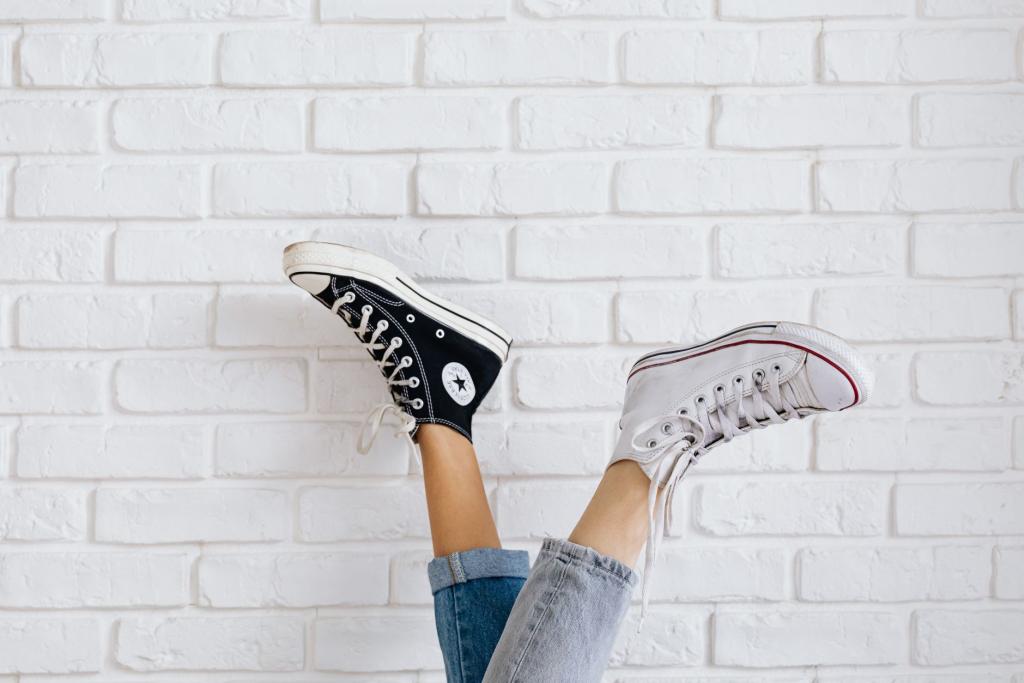
For the first time this year, the Sneaker Resale market is pointing up instead of down. A new quarterly index of secondary-market prices shows resale values inching higher in the third quarter, a tentative end to a brutal stretch that wiped out more than a tenth of average resale value across the first half of the year. The rebound is small, uneven, and powered by a handful of brands — but after months of freefall, sellers are taking the win.
The tracker, compiled by the sneaker analytics firm SneakerPing from sales across StockX and GOAT, closed the summer quarter at 100.42, representing a 0.4 percent gain from where the quarter started, according to the firm's Q3 2026 report. That modest uptick follows an 8.6 percent drop in the first quarter and a 3.7 percent slide in the second. Measured across 9,964 different sneakers, the index remains about 11.6 percent below where it began the year — yet the direction of travel has finally flipped.
More than half of the shoes in the sample ended the quarter selling at or below their original retail price. That share reached 56.3 percent, leaving 43.7 percent still commanding a premium over what stores charged at launch. For anyone who watched friends lose money flipping hyped pairs over the last two years, the message is blunt: resale is no longer a guaranteed side hustle. It is a buyer's market again.
Jordan Is Pulling Away From Nike
The headline story inside the numbers is the widening gap between Nike's two biggest lanes. Shoes grouped under the Jordan label rose 1.09 percent in the quarter, while the main Nike line fell 1.65 percent — a split that played out across thousands of individual models. The divergence did not stop at prices. Analysts at Citi reported that Jordan's share of resale volume reached 72.3 percent in September, up from the summer average, a sign that shoppers are concentrating their spending on a shrinking list of coveted releases, reported by Invezz this week.
The backdrop is Nike's deliberate decision to choke off supply. The company has been cutting the number of releases and tightening how much of its Jordan line reaches stores, betting that scarcity will rebuild the pricing power that flooded shelves destroyed. The early returns are mixed: gross margin improved to 42.8 percent in the latest quarter, but total revenue is still sliding because there is simply less product to sell. Resale relevance, in other words, is recovering faster than the actual business — a gamble investors are watching closely.
The rest of the brand leaderboard tells its own story about shifting taste. Saucony posted the quarter's strongest move at 5.12 percent, followed closely by ASICS at 4.49 percent — two retro-running names riding the same low-profile wave that has pushed the tie trend and thrifted tailoring back into Gen Z closets. Crocs, Vans, and Puma all finished in positive territory. At the bottom sat Converse, down 2.87 percent, with On Running, Salomon, and Nike SB also slipping.
Perhaps the most telling split of all: three models tied to Travis Scott's name averaged a 9.1 percent decline even as the wider Jordan group climbed. The celebrity-collab playbook that defined sneaker hype for a decade appears to be losing its grip, at least at the very top. When a name-brand collaboration underperforms the plain retro silhouettes around it, the hype engine is telling you something about what buyers actually want.
What a Bottom Means for Buyers and Sellers
For buyers, the current moment is unusually forgiving. With most pairs trading at or below retail, patience is rewarded in a way it rarely was during the boom years, when bots and instant sellouts forced shoppers to pay premiums or go without. Shoppers who simply want a specific pair for their own feet — rather than as an investment — are getting the best prices in years. The data backs a simple strategy: wait, watch, and skip the line. The era when Sneaker Resale meant easy money is over; the market now belongs to the patient.
For sellers, the math is harsher. The era when nearly any limited release could be flipped for a quick profit has given way to a market where only a narrow slice of shoes holds value. Success now depends on picking the right release — the staged rollout, the genuine scarcity play — rather than buying everything in sight. SneakerPing's analysts note that staged anime-licensed drops, like the One Piece collection that sent search interest soaring by five figures this summer, are among the few events still manufacturing real resale demand, according to October trend data.
There is also a deeper question about whether the old resale playbook deserves to come back at all. A recent national survey by Quad and The Harris Poll found that 79 percent of Gen Z respondents feel more connected to the real world by collecting physical objects — sneakers, toys, trading cards — but do so for nostalgia and self-expression, not for resale value, as Fast Company reported this month. "Real is the new premium," the survey concluded, describing a generation exhausted by endless scrolling and hungry for objects they can hold. If the collecting instinct is moving from speculation to sentiment, the resale market's future may look very different from its past.
That shift is already visible on the street. Reports from Dubai and beyond describe young shoppers cooling on chunky hyped trainers in favor of loafers, low-profile retros like the Samba, and understated silhouettes that work with everything, according to recent coverage. Hype fatigue is real: endless drops, bot checkouts, and inflated markups drained some of the fun out of the chase. A market bottom that coincides with a taste pivot is a strange place to stand.
Whether the third quarter marks a true turning point or just a pause will depend on the holiday season. Nike's tightened supply strategy faces its biggest test when gift-buying demand arrives, and the retro-running momentum behind Saucony and ASICS could either broaden into a genuine category rotation or fade with the seasons, the way trend cycles always do. One quarter does not make a recovery. But for a market that spent most of the year in freefall, flat is the new up — and up is the new hope.
Comments 0
No comments yet. Be the first to share your thoughts!
Leave a comment
Share your thoughts. Your email will not be published.