The side hustle is shrinking and growing at the same time. Roughly a third of Americans now report income from extra work — a share that has fallen for four straight years — yet side hustle income has never been higher, with earners averaging more than twelve hundred dollars a month, according to LendingTree’s side hustle survey. For Gen Z workers deciding whether a second gig is worth the evenings, the newest numbers cut against the old narrative that everyone has one: fewer people are hustling, but those who do are leaning on the money harder than ever.
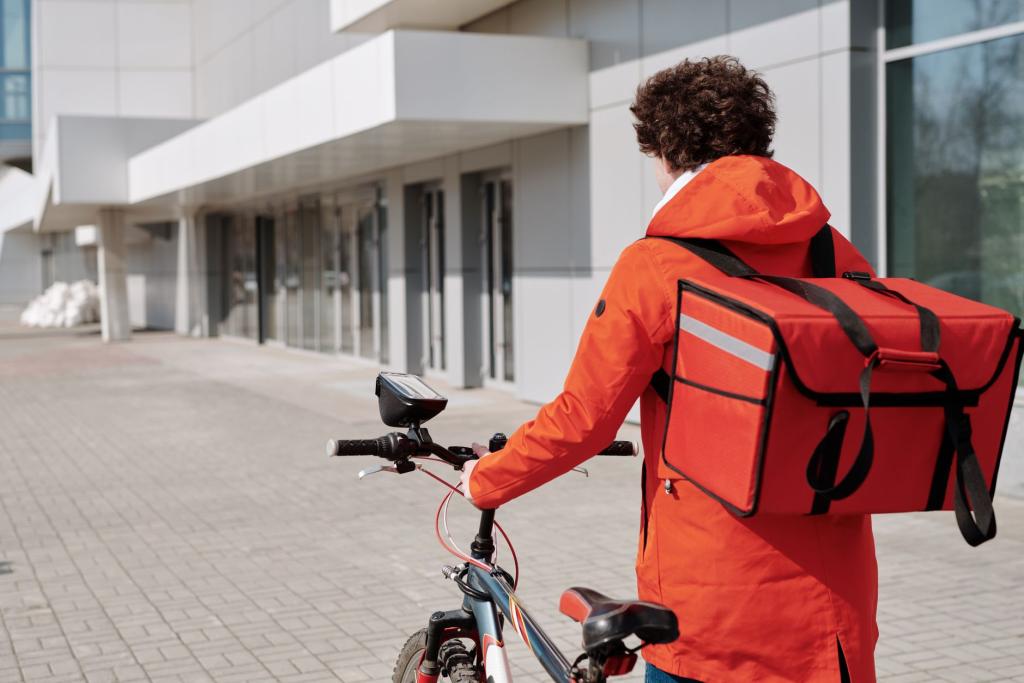
Coverage of the findings syndicated across Gray television stations in October 2026 put food and grocery delivery and online freelancing at the top of the most-popular list. Part-time or seasonal work drew 14% of hustlers, while house cleaning and making items to sell each claimed a similar slice, and e-commerce resale, social media influencing, babysitting, pet sitting, rideshare driving, day trading, and teaching all made the cut. The takeaway for anyone shopping for a gig: the winners are flexible, skill-adjacent, and easy to start — not the flashiest options on social media.
Fewer hustlers, fatter paychecks: the four-year trend
LendingTree polled more than two thousand U.S. consumers for the survey, updated in April 2026, and the trend lines run in opposite directions. Just 33% of Americans now have a side hustle, down from 38% a year earlier and 44% in 2022 — yet average monthly earnings climbed to $1,242, up from $1,215 a year earlier and $473 four years ago. In other words, side hustle income is concentrating: a smaller pool of workers is pulling in meaningfully bigger sums, which suggests the casual dabblers are dropping out while the committed earners level up.
Why the money matters more than ever
The motivation data explains the paradox. Covering cost-of-living expenses drove 32% of hustlers, while 25% needed the cash for primary bills — and 36% pointed to the broader economy, with 31% naming inflation specifically, as the reason they started. Most striking: 61% said life would be unaffordable without the extra income, and 49% said the gig contributes to their long-term financial security. This is the survival-era hustle our burnout coverage described: less about fun money, more about staying afloat.
What the averages hide
The headline average also masks how lopsided the payouts are. Bankrate’s separate tracking found just 27% of adults had a side hustle in 2025 — its lowest reading since it began measuring in 2017 — with an average of $885 a month but a median of only $200, according to a September 2026 Monarch analysis. That gap is the whole story: a small slice of high earners drags the average skyward while the typical side hustle income looks far more modest.
The official data tells a different story
Here is the wrinkle. Federal jobs data shows a record 9.3 million Americans held multiple jobs in the final quarter of last year, the highest count since the Bureau of Labor Statistics began tracking the figure in 1994, per the same Monarch analysis. So official payroll counts are climbing while survey participation in gig-style side work is falling. The likeliest explanation is definitional: a second W-2 job at a retailer is not the same as a weekend delivery gig, and the two datasets are measuring different kinds of extra work. Either way, the era of treating a side gig as optional spending money looks over.
What this means if you’re picking a hustle
Matt Schulz of LendingTree cautioned the stations that choosing the wrong hustle is expensive in time and energy, noting that a side gig “takes a lot of work” and is not the effortless cash it can look like online. The data backs the warning: with averages skewed by top earners, the realistic expectation for most people is a few hundred dollars a month, not a second salary.
The categories doing the heavy lifting are unglamorous. Gig and on-demand work accounts for 29% of hustlers, freelance and professional services for 26%, and creative, content, and media work for 23%, per LendingTree — all fields where existing skills convert directly into bookings. One sports coach profiled in the October coverage, for example, fills his schedule with lessons booked through the coaching marketplace Teachme.to around his day job. And the frontier keeps getting stranger: a spring 2026 column noted professional line-sitters charging from $20 to more than $40 an hour, proof that the modern hustle increasingly monetizes pure inconvenience.
If you’re weighing a second gig, start with the boring math: hours in, realistic pay out, and whether the income is load-bearing or bonus. For more on navigating the grind, browse our side hustles topic page — and if the pressure is already mounting, our piece on side hustle burnout breaks down when the extra income starts costing more than it pays.
Comments 0
No comments yet. Be the first to share your thoughts!
Leave a comment
Share your thoughts. Your email will not be published.