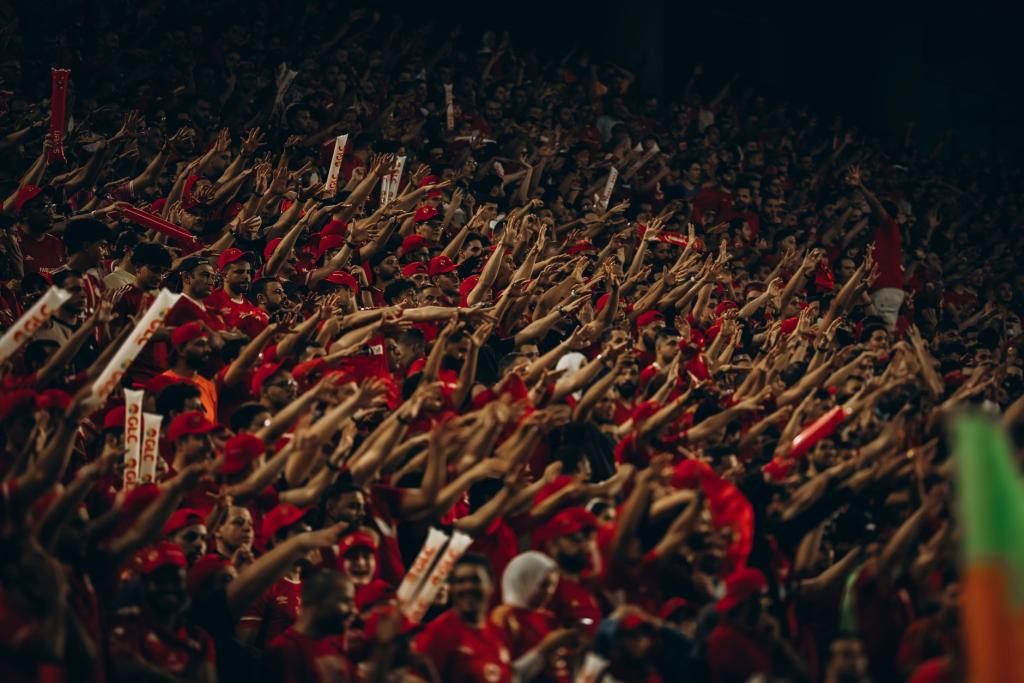
The Serbia Student List victory became official in the only way that mattered on Sunday night, when Aleksandar Vucic stood before his own supporters and admitted defeat. The longtime Serbian leader told the crowd at his party headquarters in Belgrade that the student-backed slate had won the snap parliamentary election held on October 25, according to Reuters. The concession ended a run at the top of Serbian politics that stretched back more than a decade, and it handed power to a movement that began on university campuses.
Projections cited by Vucic put the Student List at between 135 and 140 seats in the 250-member National Assembly, with his Serbian Progressive Party taking around 105 seats and no other party clearing the threshold to enter parliament, Reuters reported. A majority in the chamber requires 126 seats, so the projected result would let the Student List form a government on its own if the final count confirms the sample. Vucic also gave vote totals, estimating about 2.2 million ballots for the Student List against about 1.7 million for his own coalition. Those projections made the Serbia Student List victory a majority win, not a narrow one.
How two years of protests led to the vote
The Serbia Student List victory traces back to a single disaster. In November 2024, a concrete canopy collapsed at the railway station in Novi Sad, killing 16 people. Students blamed shoddy construction, fraud and corruption behind the collapse, and their protests widened into a broad anti-government movement that kept pressure on Vucic for nearly two years, according to Reuters. The students demanded accountability for the deaths and an end to what they described as the dismantling of democracy, and their following grew across the country.
Vucic had dominated Serbian politics since becoming prime minister in 2014 and then president in 2017, Reuters reported. His party had held power since 2012. Term limits blocked a third presidential run, so Vucic resigned the presidency in September 2026 and led his party into the snap election he had called that same month, aiming to return as prime minister. The gamble failed. The vote became a direct test of whether a protest movement could beat an entrenched leader at the ballot box, and the Serbia Student List victory answered that test with a defeat for the incumbent.
Turnout helped decide the outcome. Pollsters put participation at 67.6 percent by the early evening, the highest since the breakup of Yugoslavia in 1992, according to the BBC. Long queues formed outside polling stations, with reported waits of up to two hours in places. Observers had predicted that a surge in voting would favor the students, and the scale of the turnout appeared to bear that out, the BBC reported. That turnout surge powered the Serbia Student List victory.
Celebrations in Belgrade and reactions abroad
The Serbia Student List victory set off celebrations in the capital within hours of the concession. Crowds took to the streets of Belgrade, cars sounded their horns, and supporters chanted in triumph outside the Student List headquarters, Reuters reported. Radomir Sajcic, a Belgrade University professor who spoke for the students at their election headquarters, told reporters that students had won and that hope for a Serbia of justice, freedom and dignity had triumphed as well, according to AFP. Ilija Srdanovic, the lead candidate of the slate, welcomed the result and said the country was moving toward a different political future, N1 Serbia reported.
Vucic did not go quietly into defeat. In his concession speech, he blamed independent media, unnamed European countries and an American deep state for the loss, according to the Associated Press. Those claims were not backed by specific evidence in his remarks, and reporting on the speech noted that the allegations remained unsubstantiated. He still congratulated the winners plainly, telling supporters that the Student List had won, the Associated Press reported.
Reactions from European leaders arrived quickly. European Commission President Ursula von der Leyen wrote on X that the people of Serbia had turned out in record numbers and congratulated the Student List on the victory, adding that the Commission stood ready to support reforms on the rule of law, media freedom, the fight against corruption and strong democratic institutions. European Commissioner for Enlargement Marta Kos said in a statement that Serbia had raised its voice after nearly two years of protests for democracy, the rule of law and the fight against corruption.
Council of Europe Secretary-General Alain Berset welcomed Vucic's acceptance of the result and commitment to a peaceful democratic transition, and said the Council stood ready to work with the newly elected leadership on human rights, democracy and the rule of law. The Serbia Student List victory also drew a congratulation from Milorad Dodik, the Bosnian Serb leader, who wrote on X that the citizens of Serbia had spoken, according to Reuters.
What comes next for Serbia
The Serbia Student List victory leaves the movement with the harder half of the job. A parliamentary majority means the Student List can choose a prime minister and pass laws without coalition partners, but governing will test a slate built from students, professors and cultural figures who united mainly in opposition to Vucic. The new government will face immediate questions about accountability for the Novi Sad collapse, the corruption cases that fueled the protests, and the state of independent media that Vucic attacked in his concession speech.
Serbia's path toward the European Union will also shape the next government. The Serbia Student List victory gives Brussels a partner that campaigned on the reforms von der Leyen named, and von der Leyen tied future cooperation to reforms on the rule of law, media freedom and corruption. Whether the movement can turn protest demands into legislation will determine whether Sunday's result becomes a lasting change of direction or a brief interruption in Serbian politics. Final results from Serbia's electoral commission were still pending when Vucic conceded, and the formal count will confirm the seat totals in the coming days.
For readers following how democratic movements fare across Europe, the Serbia Student List victory sits alongside other recent tests of institutional independence, including the European Parliament's Sakharov Prize award to the International Criminal Court and a United Nations expert's warning about unlawful killings in the war on narco-terrorism. The fullest accounts of the Serbian result come from Reuters reporting carried by TBS News and Reuters coverage of international reactions.
Comments 0
No comments yet. Be the first to share your thoughts!
Leave a comment
Share your thoughts. Your email will not be published.