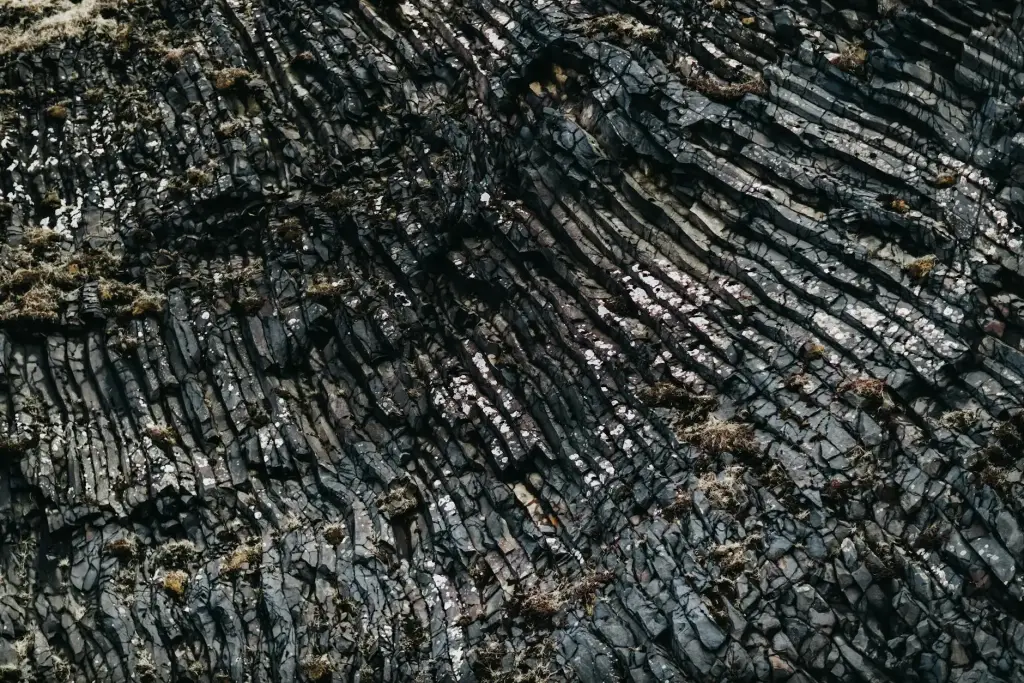
What Exactly Is This 'Rock Clock'
The rock clock is not some fancy piece of technology. It is actually a sophisticated mathematical method that analyzes radioactive isotopes in ancient rock formations to determine their age with pinpoint precision. The research team, led by scientists at the University of Lausanne, focused on dating something called the Drumian Carbon Isotope Excursion—a major climate event that occurred during the Cambrian period, roughly 500 million years ago. This was when complex animal life was first exploding across the planet, so understanding the timing of these events is crucial for figuring out how life on Earth actually evolved. The method essentially counts the decay of radioactive elements in mineral crystals, kind of like counting tree rings but for rocks that are hundreds of millions of years old.
The new method allows researchers to correlate rock and fossil records globally in ways that were previously impossible. 'It is like having a universal timer for Earth's early history,' one of the researchers explained in the paper. The technique measures the decay of radioactive elements in mineral crystals with such precision that scientists can now date events to within just a few hundred thousand years—a mere blink of the eye in geological terms. This level of accuracy is revolutionizing how scientists piece together the puzzle of early animal evolution. More details about this research can be found at Phys.org, one of the leading science news outlets covering breakthrough discoveries.
Why This Discovery Matters
This discovery is blowing minds in the scientific community. For decades, researchers have struggled to accurately date Earth's early climate events. Traditional methods had margins of error that could span millions of years, making it extremely difficult to understand cause-and-effect relationships in ancient ecosystems. With this new rock clock technique, scientists can finally create a detailed timeline of how ancient climate changes affected the development of complex life forms. This means experts are no longer guessing about when major evolutionary events happened—they now have hard dates to work with.
The implications are massive. By understanding how early animals responded to climate shifts in the past, researchers hope to predict how current species might adapt to ongoing climate change. According to the research published in Nature Communications, the Drumian Carbon Isotope Excursion provides a perfect case study of how rapid climate change impacted biodiversity millions of years ago. The data suggests that ancient ecosystems were more resilient than previously thought, bouncing back from dramatic environmental shifts—but that does not necessarily mean modern species will be so lucky. The difference is that todays climate change is happening at an unprecedented rate, much faster than what the rock clock records show from the Cambrian period.
Moreover, this method opens up entirely new avenues for research. Scientists can now re-examine other major climate events in Earth's history with fresh eyes and much better dating accuracy. The rock clock is essentially giving researchers a brand new lens through which to view our planet's deep past. Related topics like climate science and technology breakthroughs are also covered on GenZ NewZ for those wanting to dive deeper into how science is shaping understanding of the world.
Beyond just academic interest, this discovery has practical implications for modern science. Geologists can now better understand the timing of important events like mass extinctions, the rise of dinosaurs, and the emergence of early mammals. Each of these events is recorded in the rock layers around the world, and being able to accurately date them helps scientists build a more complete picture of Earth's incredible journey. It is genuinely exciting times for anyone interested in our planet's history, and the rock clock is definitely a tool that will keep on giving as more researchers adopt this method in their work.
Comments 0
No comments yet. Be the first to share your thoughts!
Leave a comment
Share your thoughts. Your email will not be published.