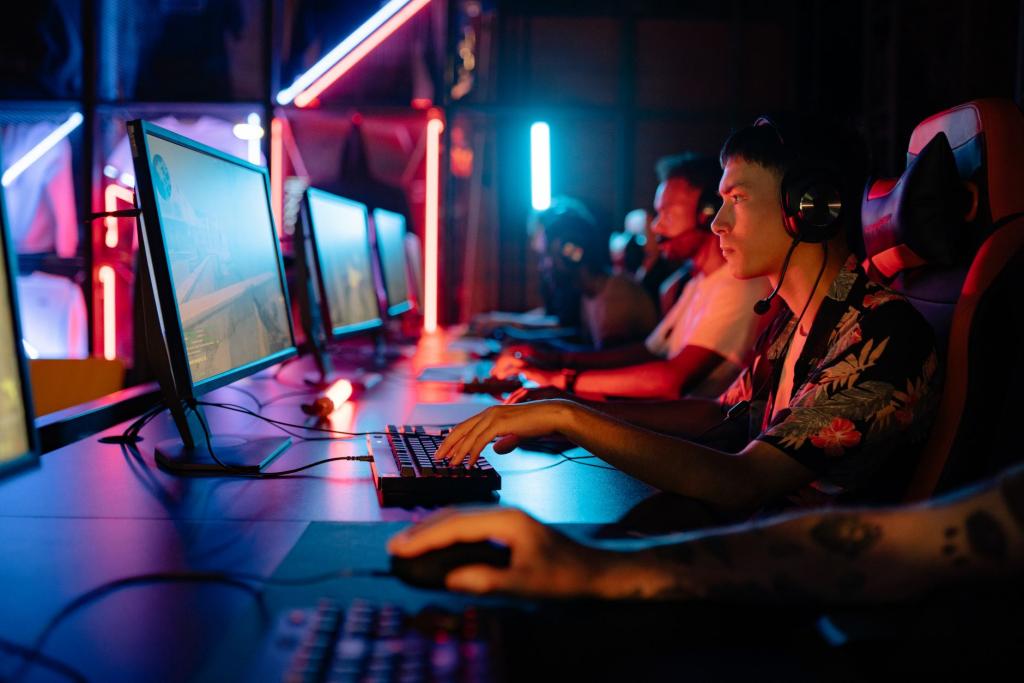
On September 17, 2026, Riot Games announced the results of a cheating crackdown that has been running since late 2025: 296,416 accounts banned or suspended across League of Legends and Valorant for rank manipulation. The bans became the story because the sweep caught several of the biggest streaming personalities in gaming along with the paid boosting services it was designed to stop. The Riot Games streamer bans are now the loudest example yet of automated enforcement colliding with creator careers.
The enforcement comes from Vanguard, Riot's anti-cheat system, and specifically its Anti-Boost detection, which launched privately on League of Legends in September 2025 and rolled out to Valorant this year. Riot said the bans have been rolling out steadily since the system expanded, and according to TheSpike's report on the announcement, the company stripped offending accounts of the ranked points they had gained improperly, with the heaviest concentration of boosted accounts sitting in the Platinum and Diamond ranks. Not every account was permanently banned: depending on the case, Riot resets improperly earned rank, strips season rewards, or issues temporary suspensions starting at three days. Purchased accounts or accounts with no legitimate owner can be removed outright.
Riot framed the targets as rent-a-rank players, people who pay someone else to climb the ranked ladder for them, along with the boosters who do the climbing and the hitchhikers who party up with them. Its public statement drew a hard line: boosting, smurfing, and hitchhiking all count as cheating.
What the streamers say happened
The dispute started with Tyler "Trainwreckstv" Niknam, who told his Kick audience that his League of Legends account had been banned and its rank rolled back after he queued Ranked Flex with other high-ranked players and streamers, including Timothy, the streamer known as Trick2g, alongside Yassuo and another well-known League streamer. Niknam said he was confused by the decision, arguing that he had queued with friends he has known for years rather than hiring strangers to lift his rank, and that he did not see playing ranked with people he knows as cheating.
Timothy took his appeal to X, posting a video addressed to Drew Levin, the League of Legends head of business and director of product management. He said no boosting had taken place. His version of events was that one player in the group sat too low on the ladder to join a Flex queue, so the higher-ranked players took turns on alternate accounts until that player reached Emerald, then switched back to their main accounts.
Levin rejected that distinction, telling Timothy that swapping onto alternate accounts to lift a lower-ranked player through ranked matches fits Riot's definition of boosting. Reports also noted that Timothy had been queueing with Alicopter, a multi-season Challenger player who had landed in the Gold division after Flex placement games, which strengthened Riot's view that the matches amounted to boosting.
Coverage of the dispute added another wrinkle: Riot classifies what happened to Trainwreckstv as hitchhiking, meaning riding in a party with someone whose rank is being built for them, and it penalizes hitchhiking the same way it penalizes boosting.
Riot apologizes for the tone, not the bans
The exchange drew enough attention that Levin followed up on September 18 with an apology to Timothy, calling his initial reply off the cuff and incurious. He said Riot was in direct contact with the affected streamers and that the company's position on smurfing and boosting had not changed.
Levin also admitted a real gap in Riot's communication. The company, he said, has not been clear enough about where the line sits between playing with friends and boosting. He promised to work with his team on clearer guidance published through official channels. The apology did not settle the argument over the Riot Games streamer bans, but it gave creators something they had been asking for: a commitment to put the rules in writing.
That concession matters to streamers. Content creators play ranked games on camera for hours at a time, and they queue with other creators constantly. If grouping with much better players can trigger an automated ban, the rule shapes how they earn a living, not just how they play for fun. It is the same collision of platform rules and creator careers playing out across the streaming world, from Twitch's driving-safety disputes to YouTube locking creators into podcast deals.
Why automated bans keep catching famous players
Riot's detection is automated. Vanguard flags patterns that look like boosting, such as a sudden jump in an account's rank or high-ranked players repeatedly queueing with much lower-ranked accounts. That makes the system good at scale and bad at context.
The same trade-off has followed anti-cheat systems for years. Automation can process hundreds of thousands of accounts in one sweep, but it cannot tell the difference between a paid boosting service and a group of friends where one person is simply worse at the game than everyone else. For a streamer whose friend list is full of professional players, the system sees exactly what it was built to catch.
For now, the banned accounts stay banned, and that includes the streamers'. Riot has not announced any reversal of the sweep itself, and the company says the system is not yet running at full capacity, so the total is likely to keep climbing through the rest of the year. What may change is the explanation: Levin's promise of clearer rules could give streamers a way to check whether a planned session will get them flagged before they go live.
The total covers both League of Legends and Valorant combined, and it reflects penalties issued since late 2025 rather than a single day's action. According to Sportskeeda's reporting on the controversy, Timothy had not responded to Levin's apology as of publication, while Dot Esports noted and TheSpike reported that Riot is also accelerating hardware verification requirements to make boosted accounts harder to operate in the first place. Streamers who queue ranked with a regular group will want to watch for the updated guidance when it lands.
Comments 0
No comments yet. Be the first to share your thoughts!
Leave a comment
Share your thoughts. Your email will not be published.