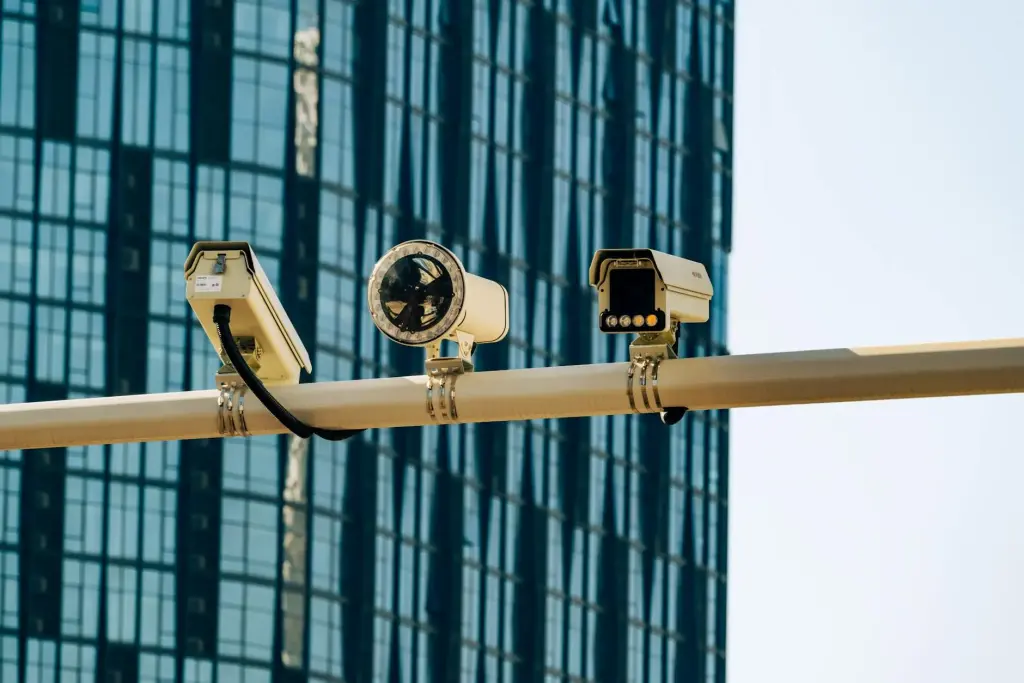
Ring cameras are evolving from simple security devices into AI-powered home assistants. Amazon's Ring officially launched a new app platform on March 31, 2026, allowing third-party developers to build intelligent applications that extend what Ring cameras can do far beyond basic recording and motion alerts.
According to TechCrunch, the new platform was first announced at CES in January and represents Ring's biggest expansion beyond traditional home security. With over 100 million Ring cameras already deployed, this rollout marks one of the largest AI integrations into consumer smart home devices ever attempted by a single company in the technology industry.
These new applications for Ring cameras can recognize packages, identify pets, monitor for specific sounds, and integrate with other smart home devices in innovative ways. Ring founder Jamie Siminoff told TechCrunch the company is carefully reviewing each application to prevent invasive use cases. "We're trying to be careful to make sure that it is being used for apps that deliver value to the customer," he said in the interview.
Privacy Concerns for Gen Z Users
The transformation of Ring cameras into AI-powered monitoring tools raises significant privacy questions for younger users. Every new artificial intelligence feature means more data processing, more cloud storage, and more potential access to intimate details of daily life captured by these ubiquitous devices now found on millions of homes across the country.
Ring has previously faced scrutiny over relationships with law enforcement agencies, including instances where footage was shared with police without user consent during emergencies. As Ring cameras become more intelligent through AI applications, they also become more powerful surveillance tools that could potentially be accessed by authorities for investigations and monitoring activities.
Privacy experts warn that smart cameras with AI capabilities could normalize constant monitoring in residential spaces. What starts as convenient package detection through Ring cameras could eventually evolve into comprehensive behavioral tracking and analysis. Young renters and first-time homeowners should carefully consider these trade-offs before installing AI-powered devices in their living spaces.
New AI Capabilities Available Now
The first wave of applications hitting Ring cameras includes several practical tools extending beyond traditional security monitoring. Enhanced package detection can now identify specific delivery companies like Amazon, FedEx, and UPS while attempting to read tracking numbers automatically. Pet owners receive specialized alerts when animals are detected, with some applications claiming to recognize different breeds and behaviors through advanced machine learning algorithms.
Sound recognition represents another major advancement for Ring cameras. New AI applications can identify breaking glass, smoke alarms, crying babies, or specific words spoken near the camera. For Gen Z renters and homeowners, this transforms simple security devices into comprehensive home monitoring systems that watch and listen for important events around the clock every single day.
Ring cameras are also expanding beyond residential homes into small businesses through these new applications. The company positions its AI-enabled cameras as affordable alternatives to traditional business security systems, with tools that track foot traffic patterns, monitor inventory levels, and analyze customer behavior. This could help Gen Z entrepreneurs starting businesses with limited budgets compete more effectively with established competitors in their local markets today.
There's an important limitation users should understand about the new platform. Ring isn't hosting these apps directly within its main application. Instead, users must download partner apps separately from the Apple App Store or Google Play Store to access new functionality for their Ring cameras. This fragmented approach might limit adoption among casual users expecting seamless integration within a single interface.
This launch signals a broader trend in smart home technology where security cameras become the eyes and ears of AI assistants. These systems promise to make homes more responsive and efficient through intelligent monitoring capabilities. For digital natives who grew up with smartphones, having AI analyze your doorway might feel completely normal, but questions about privacy and data ownership become increasingly important as these systems proliferate rapidly into every aspect of modern home life and daily routines today.
Comments 0
No comments yet. Be the first to share your thoughts!
Leave a comment
Share your thoughts. Your email will not be published.