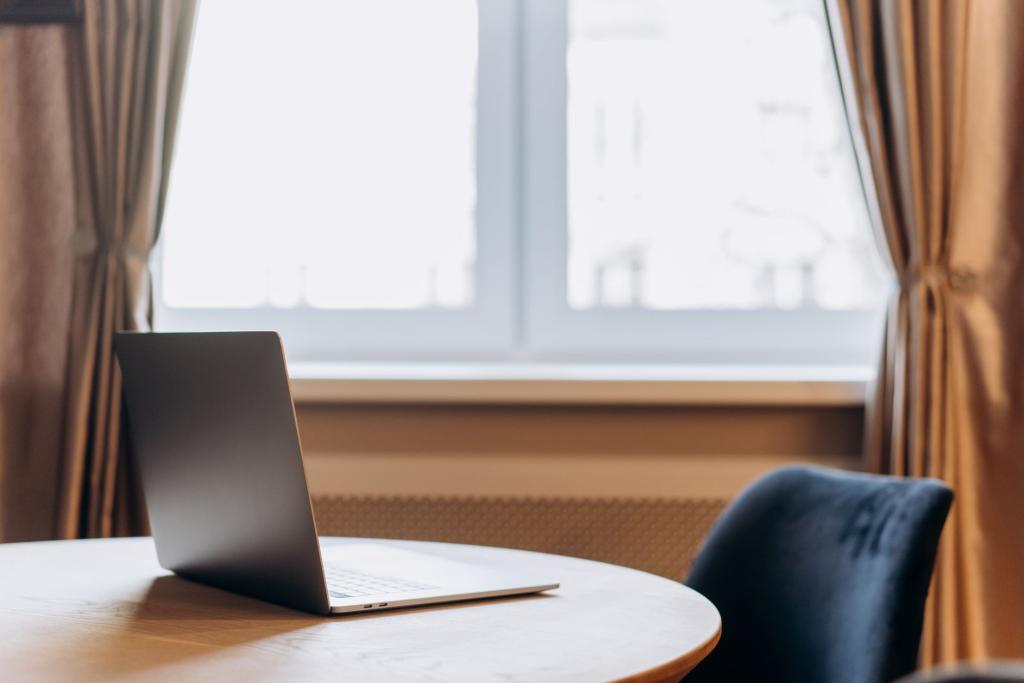
Somewhere right now, a laptop sits open on a kitchen table in a rented beach house, glowing with a spreadsheet nobody is reading. Its owner is outside. Every few minutes they drift back to nudge the mouse, just enough to keep the little green dot beside their name lit. This is quiet vacationing, time off taken without ever asking for it, and according to a ResumeBuilder survey, it has become a Gen Z specialty.
The survey polled twelve hundred full-time American workers in the summer of 2025 and found that forty-one percent had taken a quiet vacation that year. Among Gen Z the share was far higher: two in three said they had taken time off without notifying an employer. The motives were not lazy. A third of quiet vacationers said they were saving official paid time off for later, while others said they feared looking less dedicated, disliked spending PTO at all, or worried that asking for time off could invite layoffs. As the report's career adviser noted, many workers feel they simply do not get enough vacation days and want to bank the ones they have.
The tactics of quiet vacationing are almost theatrical. Thirty-seven percent of millennial workers and twenty-four percent of Gen Z workers have taken time off without telling a manager, as reported by Fast Company on polling by The Harris Poll. Nearly four in ten millennials admitted to nudging a mouse to look active online, and a similar share said they had scheduled emails to go out after hours to create the impression of overtime. This is not a workforce that hates rest. It is a workforce performing rest in disguise, and the disguise is the whole story.
Why quiet vacationing keeps spreading
Workers sneak their time off because the honest version feels risky, and the data on American leave explains why. According to Expedia's Vacation Deprivation Report, American workers receive an average of twelve vacation days a year, the fewest of any country surveyed. More than half do not expect to use even those, and sixty-five percent say they feel vacation deprived, an eleven-year high. Nearly a third of Americans go a year or longer between vacations, roughly twice the global average. When the most common reason for skipping time off is that life is too busy to plan a trip, the problem is not the calendar. It is a culture that treats requesting rest as a confession of weakness.
France makes the contrast sharper. French workers take twenty-nine days off a year, more than twice the American total, and ninety-three percent describe vacation as a basic right, compared with eighty-three percent of Americans. Even France reports high deprivation, which suggests the hunger for rest is not really about the number on the contract. It is about whether taking a break feels permitted. In America, where a fifth of private-sector workers have no paid vacation at all, permission is exactly what quiet vacationers are too nervous to request.
The counterpoint: quiet vacationing fixes nothing
None of this means quiet vacationing deserves applause. The counterpoint is strong, and it should be heard. A break you have to hide is not really a break. The quiet vacationer keeps one eye on messages, keeps the laptop warm, and returns to the same inbox they were fleeing, which means they pay the social cost of a vacation without collecting the recovery. Managers who discover the trick lose trust, coworkers absorb an unacknowledged absence, and the worker keeps the low hum of guilt. The mouse nudge is not rebellion. It is rest with an asterisk, and rest with an asterisk is just work in a nicer location.
There is a fairness problem too. Quiet vacationing is mostly available to remote desk workers who can fake presence. The barista, the nurse, and the warehouse associate cannot nudge a mouse from the shoreline, which means the workaround quietly widens the gap between workers who can bend the rules and workers who cannot. A trend that only the already-flexible can use is not a movement. It is a perk with extra steps, and it leaves the people who need rest most exactly where they were.
The honest fix is less exciting than the trend, and it starts with using the days already on the books. The same Expedia report notes that Japanese workers take a similar number of days to Americans yet report far less deprivation, largely because they spread short breaks across the year and treat public holidays as real rest. The lesson is not that Americans need a cleverer hack. It is that days off only work when taking them is normal, planned, and visible. That means submitting the request, setting the out-of-office reply, and letting the green dot go dark. It is the same hunger behind the micro-retirement trend, where workers try to buy back years of their lives instead of waiting for permission to rest.
For managers, the takeaway is blunt. If a third of your team would rather deceive you than ask you, the policy is not the problem. The permission structure is. The fix costs nothing: publish the norms, take your own vacation visibly, and stop rewarding the employees who never log off. Quiet vacationing is a diagnostic. A team that stops sneaking is a team that finally trusts the system.
Quiet vacationing is a symptom, not a crime. Two in three young workers sneaking time off is not evidence of a lazy generation. It is evidence of workplaces where honesty about rest feels dangerous and where a fifth of the workforce has no paid leave to be honest about. The answer is not better mouse-jiggling software. It is a culture where the request is ordinary, the reply is automatic, and the beach house laptop can finally stay closed. This belongs to the wider opinion debate about how Gen Z works, and the verdict is simple: stop punishing the ask, and nobody has to sneak.
Comments 0
No comments yet. Be the first to share your thoughts!
Leave a comment
Share your thoughts. Your email will not be published.