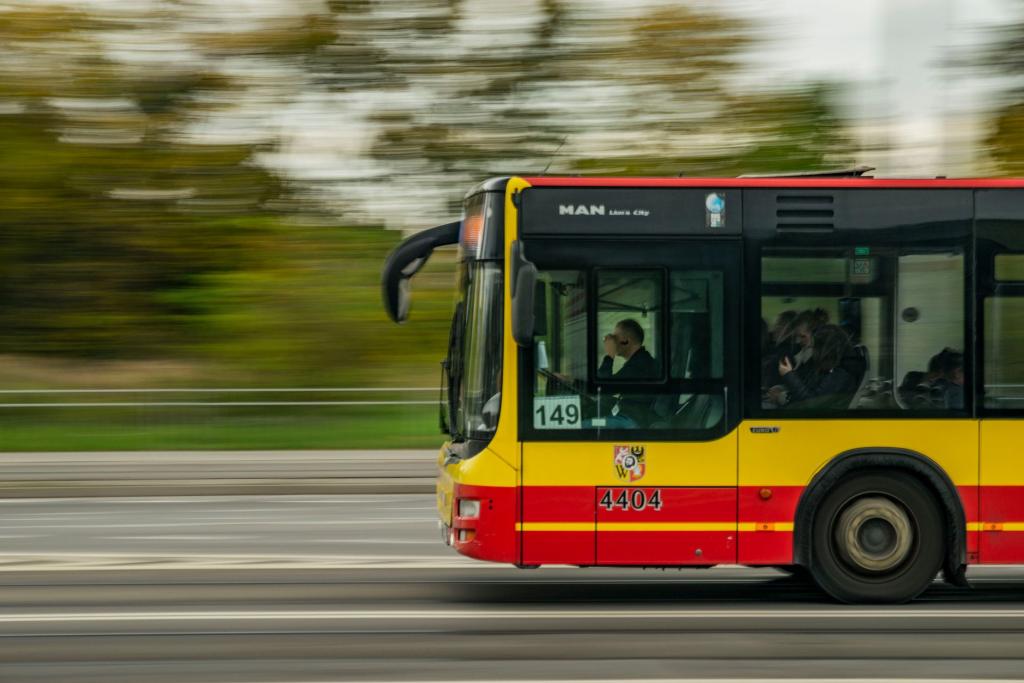
The Quebec Winter Tire Deadline is almost here, and it leaves no room for a mild-weather excuse. Every passenger vehicle registered in the province must ride on winter tires from December 1, 2026, through March 15, 2027, whether or not snow has fallen by then. Drivers caught without compliant tires face a fine in the range of two hundred to three hundred dollars, plus court costs and surcharges that push the total higher. With the cutoff only weeks away, garages across the province are already booking up, and road safety officials are urging drivers to act before the rush.
The rule comes from the province's Highway Safety Code, and it applies to passenger cars, light trucks, mopeds, motorised scooters and motorcycles registered in Quebec. Heavy vehicles, farm machinery and tool vehicles sit outside it, and so do trailers. Vehicles registered outside the province are also exempt, which means a driver visiting from Ontario or New York State is not breaking this particular law by running all-season tires, though provincial guidance still recommends winter rubber for anyone driving Quebec roads in winter conditions.
What counts as a winter tire
Compliance is not about tread pattern alone. A tire qualifies only if it carries the three-peak mountain snowflake symbol stamped on its sidewall, or if it is a studded tire. Tires marked only with the mud-and-snow letters do not meet the standard, a distinction that has been in force for more than a decade. Studded tires are permitted on passenger vehicles, taxis and light commercial vehicles up to three thousand kilograms from mid-October through the start of May, giving drivers in icy regions an extra option.
The province's road safety authority also recommends a minimum tread depth of four-point-eight millimetres for effective winter performance, according to its winter preparation guidance. A tire below that depth may still be legal, but its grip on snow and ice will be badly reduced. Drivers should check the sidewall symbol and measure tread before booking, since a worn set discovered at the garage can mean a second appointment and a second wait.
Why the fixed date catches drivers out
The deadline is fixed rather than weather dependent, and that is exactly what trips people up every year. A mild final week of November does not postpone it, and a first snowfall in late November does not move it earlier either. On the first day of December the rule is in force in Montreal and Gatineau as much as on the Gaspe peninsula, and police can stop any Quebec-registered vehicle that is not compliant. The date also matters for rental cars: a Quebec-registered rental must carry winter tires during the period, so travellers picking up a car in Montreal in January should confirm the tires before leaving the lot.
There is a safety case behind the paperwork. All-season rubber hardens as temperatures drop below seven degrees, losing grip exactly when roads turn slick, while winter compounds stay flexible in the cold. That chemistry is why Quebec made the rule province-wide, and why British Columbia takes a different approach, requiring winter tires only on designated highways from the start of October through the end of April, according to a comparison of provincial rules. Ontario, by contrast, does not mandate winter tires at all, but insurers there must offer a discount to drivers who fit them.
How to get ready before the cutoff
Book the tire change now rather than in the final week of November, when shops face their annual crunch and a cold snap can turn a routine swap into a long wait. The province's insurer advises installing early because winter weather can arrive before the deadline, and it lists nine situations that qualify for a seven-day exemption certificate, including driving out of or back into the province, buying a car from a private seller, and taking a vehicle out of storage. Drivers who buy from a dealer or end a lease need no certificate for a short grace window if they carry the bill of sale or the lease, reported by a Canadian news wire.
Beyond tires, a basic winter check pays off: washer fluid rated for deep cold, wipers in good shape, and a fuel tank kept at least half full to guard against frozen lines and unexpected delays. Electric vehicle owners should plan for reduced cold-weather range and accelerate gently, since instant torque can break traction on slick surfaces. Readers bracing for higher seasonal bills can also look at ways renters are cutting winter heating costs, while Ontario's new winter protections for power customers show how neighbouring rules are shifting too.
For Quebec drivers, the message is simple: check the sidewall, check the tread, and book the appointment before December arrives. The fine is avoidable, the deadline is fixed, and the first storm of the season rarely waits for anyone's schedule. A tire guide for newcomers to the province lays out the same checks step by step, according to a Quebec driving school. With the Quebec Winter Tire Deadline now weeks away, the cheapest winter tire is the one already on the car when the snow starts. For households watching every dollar, the central bank's latest rate decision is also worth a read.
Comments 0
No comments yet. Be the first to share your thoughts!
Leave a comment
Share your thoughts. Your email will not be published.