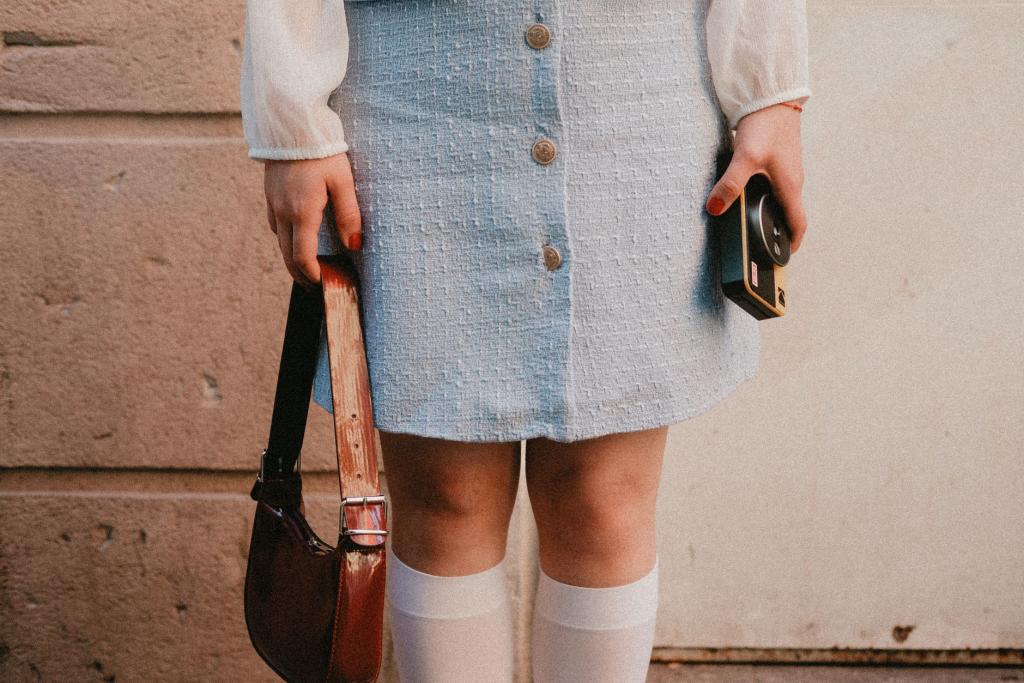
There is a new name for the mood that has been drifting through wardrobes since the start of the year: poetcore. Pinterest named the romantic, literary-inspired aesthetic one of 21 defining trends for 2026 in its annual Pinterest Predicts report, published in December 2025. Within weeks of the announcement, searches for "the poet aesthetic" had jumped 175 percent on the platform, with "poet core" searches up 75 percent.
Poetcore is fashion built around the visual world of writers and bookish intellectuals. Think oversized turtlenecks, vintage blazers, messenger satchels, cable-knit sweaters, and loafers, mostly in muted earth tones. PureWow has described it as "Dark Academia Lite," a phrase that captures the appeal: it keeps the intellectual roots of dark academia while swapping the gothic moodiness for romantic warmth.
The timing fits. After years of micro-trends cycling through TikTok every few weeks, plenty of people are ready to dress with more intention. Poetcore rewards buying fewer pieces and keeping them for years, which makes thrift stores and vintage shops its natural hunting ground.
Where poetcore came from
Poetcore did not appear from nowhere. It is the latest step in a line of internet aesthetics that started with dark academia on Tumblr around 2015. Dark academia borrowed its visual language from Donna Tartt's 1992 novel The Secret History and films like Dead Poets Society, building a subculture around tweed jackets, gothic libraries, and candle-lit study sessions. It exploded during the COVID-19 pandemic, when people stuck at home romanticized the campus life they could not have.
But dark academia had a ceiling. The aesthetic was heavy: all that tweed and brooding eventually felt like wearing a costume. By 2023, lighter variations had started to emerge. Light academia softened the palette. Grandmillennial style brought in warmer, homier textures. Poetcore kept the literary sensibility and traded the rest for something softer and more wearable.
The tipping point came when Pinterest Predicts officially listed poetcore among its 21 trends for 2026. The label stuck, and by January 2026 the trend had grown its own ecosystem of TikTok styling videos, thrift store haul content, and outfit-of-the-day posts.
What poetcore actually looks like
Pinterest's own trend page describes the poetcore wearer as someone channeling "their inner protagonist with oversized turtlenecks, vintage blazers and messenger satchels." The numbers back up the picture: Pinterest recorded rising searches for cape outfits (65 percent) and "satchel bag aesthetic" (85 percent) heading into 2026.
The core pieces will look familiar. A fitted blazer with a worn-in feel, a chunky cable-knit sweater, a crisp button-down shirt, corduroy trousers, loafers, and flowing skirts or wide-leg pants. What makes them poetcore is how they come together. Layering is central: a chunky cardigan over a collared shirt, a vintage belt, and wool socks in loafers read very differently from the same pieces styled for a corporate look.
The color palette leans toward muted neutrals. Browns, charcoals, creams, forest greens, and navy form the base. The 2026-specific twist is darker and richer: searches for Dark Plum Noir and Rich Chocolate surged more than 140 percent as the trend gained momentum. Dark plum noir in particular has become the go-to alternative to all-black for people who want a moody wardrobe without the goth connotations.
How people are styling it this fall
On TikTok, the formula is deliberately low-effort. A cable-knit sweater, a pair of loafers, a worn-in blazer, and a messenger bag get you most of the way there, and most of those pieces cost little at a thrift store. The aesthetic favors pieces that look like they have already lived a life, which makes secondhand shopping a feature rather than a compromise.
The trend is not limited to womenswear. The men's version leans on the same building blocks: a textured blazer, a chunky knit, corduroy trousers, and loafers, plus a wool overcoat in charcoal or brown and a leather folio or worn canvas tote instead of the messenger bag. Tokyo Canvas has described the menswear take as "intellectual masculinity redefined," a rejection of both hypebeast streetwear and bland business casual.
High fashion has noticed too. For Spring/Summer 2026, Miu Miu, Prada, Tory Burch, and Bottega Veneta all showed pieces with poetcore-adjacent styling: pencil skirts, cardigans, button-downs, and V-neck sweaters with literary flair. These are not brands that chase internet trends, which suggests the look has more staying power than a seasonal fad.
Why it is catching on now
Fashion trends rarely happen in a vacuum, and poetcore reads as a signal of where culture is heading in 2026. The first force is fast fashion fatigue. After years of micro-trends, a growing number of shoppers are rejecting the churn and buying fewer, better pieces that last.
The second is emotional dressing. Designers for Spring/Summer 2026 leaned heavily into pieces that carry a clear feeling, according to fashion press coverage: cozy textures that calm, saturated colors that energize. Poetcore fits that instinct. Every element of the look is chosen for how it makes the wearer feel: warm, grounded, creative, unhurried.
The third is a generational shift. The people driving poetcore are largely Gen Z and young millennials who grew up on dark academia during the pandemic. They have moved past the brooding phase but still value the intellectual sensibility. Poetcore lets them keep the identity while softening the edges, like trading the dorm room for an apartment and letting the wardrobe reflect the move.
For the sources on this story, see nss magazine's breakdown of the Pinterest Predicts 2026 report and an explainer of the trend's roots and styling.
Comments 0
No comments yet. Be the first to share your thoughts!
Leave a comment
Share your thoughts. Your email will not be published.