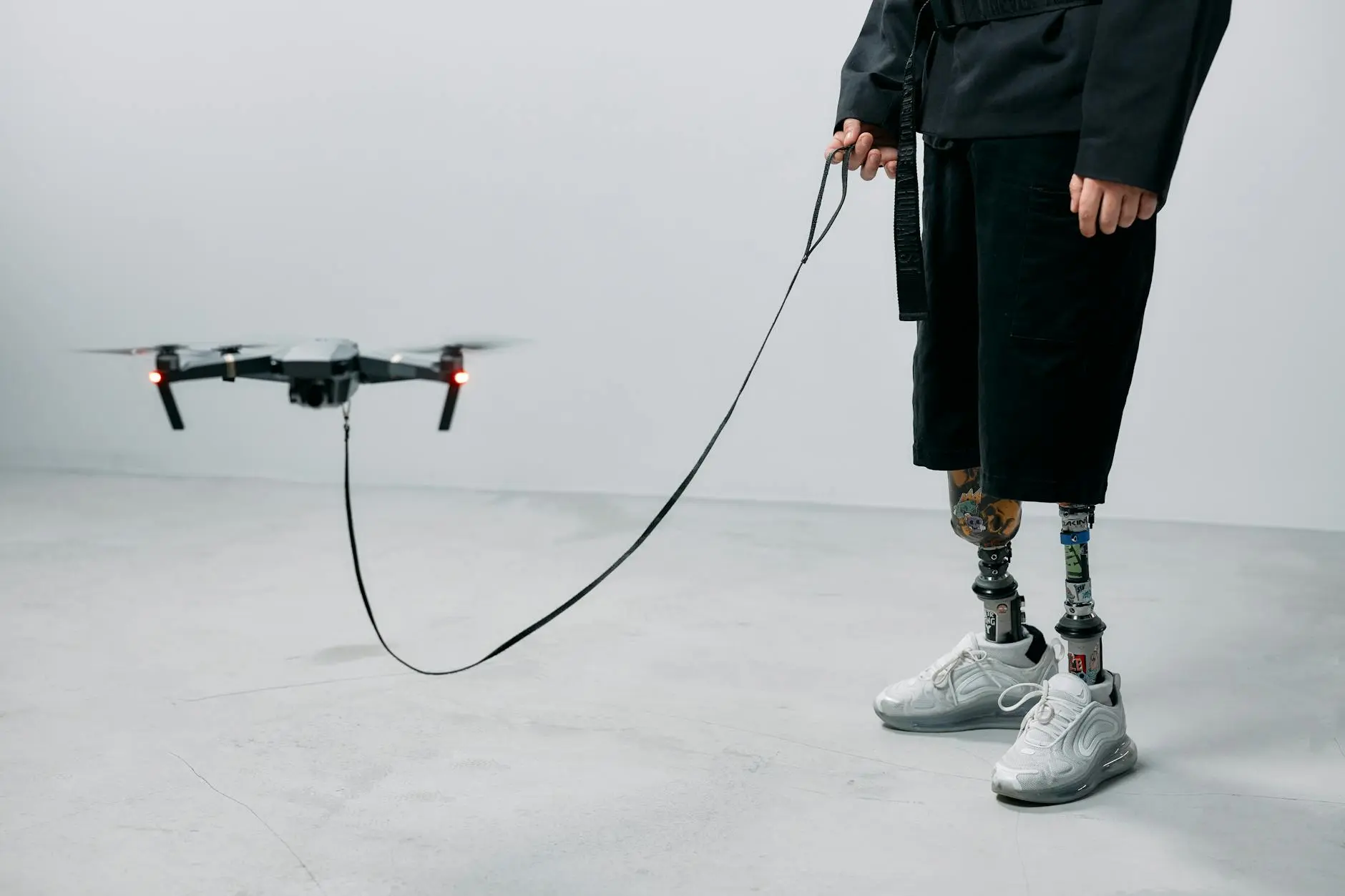
Physical AI is no longer just science fiction - it is literally walking into factories and warehouses right now, and it is about to blow up in a way that Gen Z literally cannot ignore. According to a fresh Deloitte report released this week, we are at the tipping point where AI that can touch, move, and interact with the physical world is going mainstream faster than anyone expected. This is not some distant future tech - it is happening right now, and the implications for the job market, the economy, and literally everything in between are massive. The shift is happening so fast that industry experts are struggling to keep up with the pace of innovation.
What Exactly Is Physical AI?
Think of Physical AI as giving robots and machines actual brains - not just pre-programmed movements, but the ability to perceive, reason, and adapt to real-world situations in real-time. We are talking about robots that can navigate messy warehouses without crashing, surgical bots that can make split-second decisions during operations, and autonomous vehicles that actually understand their surroundings. According to Deloitte's new paper "Physical AI: The moment of acceleration" published on PRNewswire, this technology is shifting from experimental pilots to full-scale deployment across manufacturing, logistics, and supply chain operations. The report underscores why industrial robotics has become Physical AI's "proving ground" - it is where we are seeing the most dramatic results right now.
The Numbers Are Actually Insane
Here is the wild part: right now, only about 5% of companies say Physical AI is already transforming their operations. But get this - 41% expect it will within just three years. That is a massive jump in a short timeframe, and it signals massive opportunities and disruptions ahead for workers, companies, and entire industries. As reported by Bloomberg, China's AI stocks have been rising significantly, with companies like MiniMax Group seeing record gains after releasing new self-evolving agent technology. Nvidia's CEO Jensen Huang recently called OpenClaw "the next ChatGPT" - high praise from the king of AI chips, and it shows just how competitive this space is becoming.
This competition between the US and China over Physical AI dominance is going to shape the next decade of global economics. The countries and companies that figure this out first are going to have a massive advantage. We are talking about trillions of dollars in economic value, millions of new jobs created, and fundamentally changed industries from healthcare to transportation to manufacturing.
For Gen Z entering the workforce, this means the jobs of tomorrow will look completely different. Rather than repetitive manual labor, the value will be in programming, maintaining, and collaborating with these intelligent systems. The shift is already happening - companies are actively hiring people who can bridge human creativity with machine execution. Research from the World Economic Forum suggests that AI will create more jobs than it displaces, but the skills needed will be completely different.
What This Means For You
Whether you are into tech, manufacturing, healthcare, or literally any industry - Physical AI is going to affect your career path in the next few years. The companies that adapt fastest will need people who understand how to work alongside these systems. Universities and bootcamps are starting to roll out programs specifically focused on human-AI collaboration, but the gap between supply and demand is still huge. If you want to stay ahead of the curve, now is the time to start learning about robotics, AI systems, and how humans and machines can work together.
The future of work is not about humans versus machines - it is about humans with machines. Physical AI is the catalyst that is going to make that transition happen faster than any of us expected. Stay curious, stay adaptable, and start learning about robotics and AI now before everyone else catches on. The ones who understand this technology early are going to be the leaders of tomorrow's economy.
Physical AI represents one of the biggest technological shifts since the internet went mainstream. The companies and countries that embrace this change now will have significant competitive advantages for decades to come. For young people entering the workforce or looking to change careers, understanding Physical AI is going to be a massive asset. The opportunity is there - it is up to you to take advantage of it.
Comments 0
No comments yet. Be the first to share your thoughts!
Leave a comment
Share your thoughts. Your email will not be published.