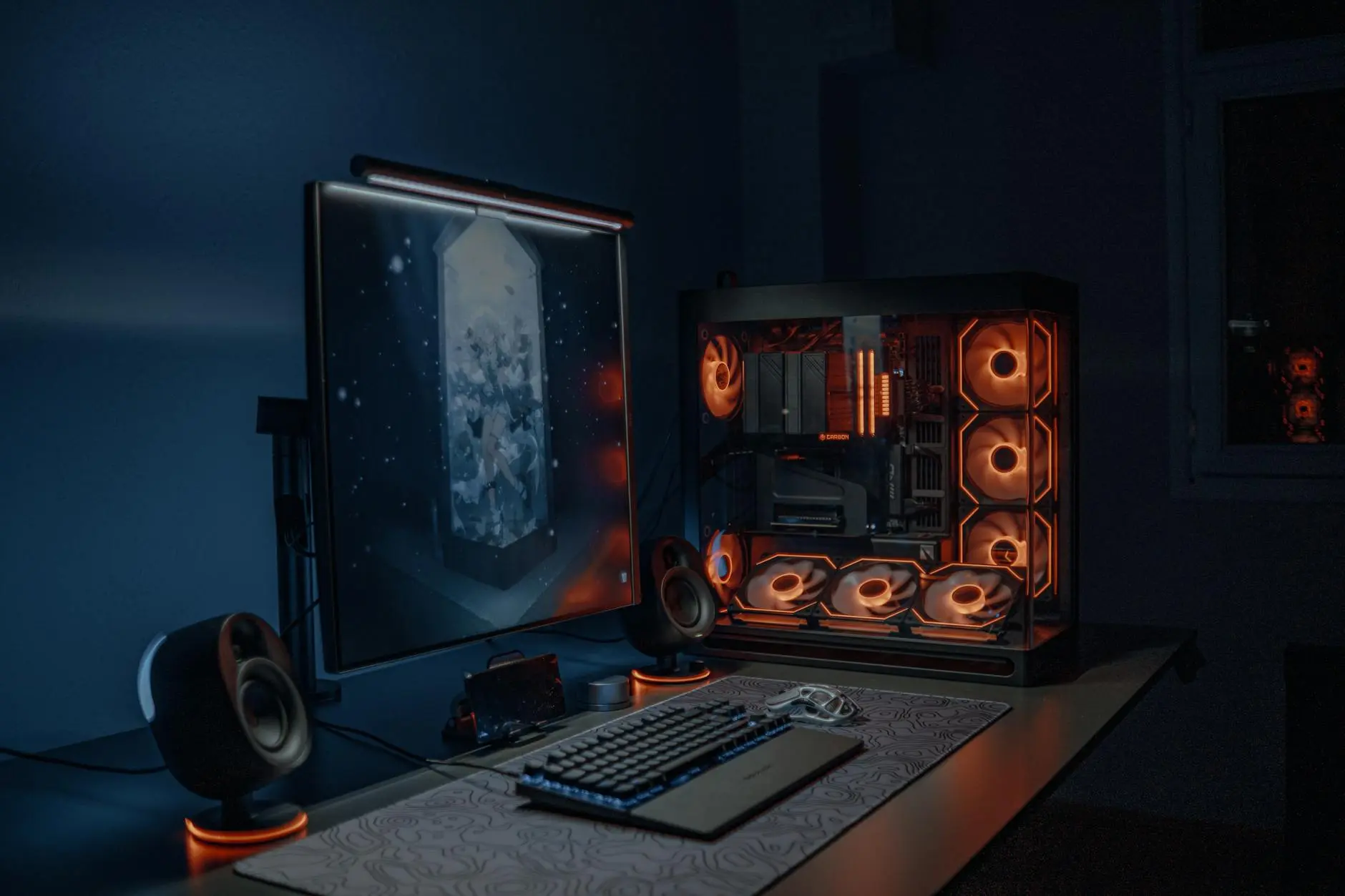
The gaming landscape is about to shift dramatically. According to a new industry analysis from TipRanks, PC gaming is projected to surpass all major console platforms combined by 2028. This marks a historic turning point that could reshape how Gen Z plays, streams, and competes.
For decades, consoles like PlayStation, Xbox, and Nintendo have dominated the living room. But the PC gaming revolution, fueled by esports, streaming culture, and the rise of platforms like Steam and Epic Games Store, has been quietly building momentum. Now, hard data suggests the PC platform is poised to become the dominant force in gaming.
Why PC Gaming Is Taking Over
Several factors are driving this seismic shift. First, the flexibility of PC gaming hardware allows gamers to upgrade components over time rather than buying entirely new systems every 5-7 years. This appeals to cost-conscious Gen Z players who want to maximize their investment.
Second, the explosion of competitive gaming and esports has put PC gaming at center stage. Games like Valorant, League of Legends, and Counter-Strike are primarily PC experiences. Professional tournaments run on high-end rigs, inspiring millions of young players to follow suit. According to TipRanks research, this competitive ecosystem is driving hardware sales at unprecedented rates.
Third, content creation has become intertwined with PC gaming culture. Streaming on Twitch, creating YouTube videos, and building a personal brand all require the multitasking power that PCs provide. Consoles simply cannot match the production capabilities of a well-built gaming PC.
The Console Giants Face Headwinds
Sony, Microsoft, and Nintendo are not standing still, but they face significant challenges. The traditional console business model relies on selling hardware at razor-thin margins or even losses, then making money through software sales and subscriptions.
However, this model is being disrupted from multiple angles. Game Pass and similar services are changing how players access titles. Cloud gaming, while still emerging, threatens to make dedicated hardware less essential. And the rising costs of AAA game development are putting pressure on profit margins across the industry.
Microsoft has already signaled a strategic shift by bringing more Xbox exclusives to PC gaming. Sony has followed suit with delayed PC releases of former PlayStation exclusives like God of War and Spider-Man. Even Nintendo, traditionally the most platform-loyal company, has expanded its mobile and PC-adjacent offerings.
What This Means for Gen Z Gamers
For Gen Z, this transition represents both opportunity and adaptation. The barrier to entry for PC gaming has never been lower. Pre-built systems from companies like NZXT, Corsair, and ASUS offer plug-and-play experiences that rival consoles in simplicity. Budget builds can deliver solid 1080p performance for under $800.
At the same time, the complexity of PC gaming remains a challenge. Understanding specs, troubleshooting issues, and optimizing settings requires technical knowledge that consoles handle automatically. The learning curve is real, though countless online communities on Reddit and Discord exist to help newcomers.
The social aspect of PC gaming also changes on the platform. Discord has become the universal communication layer for gaming friends. Modding communities extend the life of games far beyond their official support. And the open nature of PC platforms allows for experiences that closed console ecosystems cannot match.
The Future of Gaming Platforms
By 2028, the lines between PC gaming and console may blur even further. Microsoft's Xbox Series X is essentially a PC in console clothing, running a modified Windows environment. Sony's architecture choices increasingly resemble standard PC components. The technical distinctions are fading even as market dynamics shift.
What remains clear is that gaming is becoming more platform-agnostic. Cross-play functionality lets friends game together regardless of their hardware. Save files sync across devices through cloud services. And the underlying games themselves run on engines that scale from mobile phones to high-end workstations.
According to Newzoo market research, the PC gaming hardware market alone is valued at over $45 billion annually. When factoring in software, services, and peripherals, the total ecosystem dwarfs any single console platform. This economic reality is driving investment and innovation toward PC-first experiences.
The console makers will not disappear. They offer simplicity, exclusive franchises, and living room experiences that remain compelling. But the data suggests they will increasingly occupy niche positions rather than leading the market. For Gen Z gamers coming of age in this transition, PC gaming represents not just a platform but a gateway to creativity, competition, and community that defines modern gaming culture.
Comments 0
No comments yet. Be the first to share your thoughts!
Leave a comment
Share your thoughts. Your email will not be published.