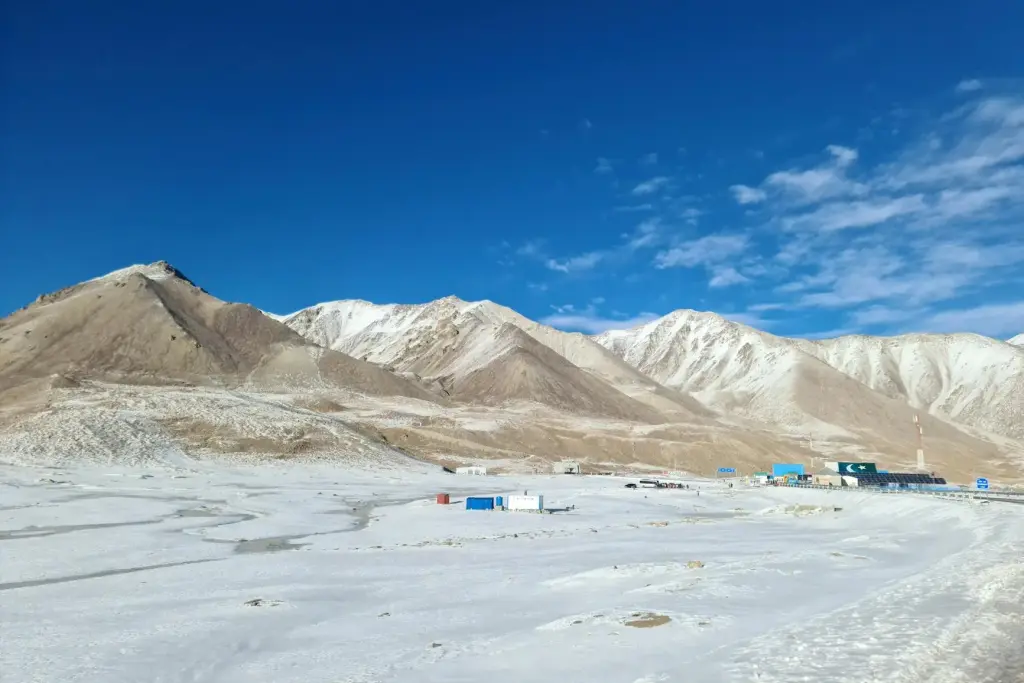
Pakistan Afghanistan Border Tensions Reach Breaking Point
The Pakistan Afghanistan border tensions have reached a dangerous boiling point in recent weeks, with military exchanges escalating along the disputed Durand Line. This latest flare-up represents one of the most serious confrontations between the neighboring countries since the Taliban returned to power in Kabul in 2021.
The longstanding Pakistan Afghanistan border tensions center on conflicting claims over the Durand Line, the 2,640-kilometer border established during British colonial rule. Afghanistan has never officially recognized this boundary, viewing it as an artificial division imposed by foreign powers that splits ethnic Pashtun communities.
Border Clashes and Air Strikes Fuel Pakistan Afghanistan Border Tensions
The current wave of Pakistan Afghanistan border tensions began when Islamabad conducted targeted airstrikes against alleged militant hideouts inside Afghan territory. Pakistani officials claim these operations targeted the Tehrik-e-Taliban Pakistan (TTP), a banned terrorist organization designated by Pakistan and several international bodies.
The TTP has increasingly used Afghan soil as a safe haven to launch devastating attacks inside Pakistan. In response to the airstrikes, the Taliban government in Kabul condemned what they termed violations of Afghan sovereignty and responded with artillery fire across the border, resulting in casualties on both sides.
These Pakistan Afghanistan border tensions have severely disrupted cross-border trade, with Pakistan frequently closing key crossings including Torkham and Chaman. Thousands of trucks carrying essential goods remain stranded, creating economic hardship for communities on both sides of the frontier.
The TTP: Core Issue Behind Pakistan Afghanistan Border Tensions
Understanding the Pakistan Afghanistan border tensions requires examining the Tehrik-e-Taliban Pakistan (TTP). This banned terrorist organization has killed thousands of Pakistani civilians and security personnel over the past two decades. Despite sharing ideological roots with Afghanistan ruling Taliban, the Afghan leadership has been reluctant to take decisive action against TTP fighters operating from eastern Afghanistan.
Islamabad has repeatedly demanded that Kabul take concrete steps to dismantle TTP bases in provinces bordering Pakistan Khyber Pakhtunkhwa and Balochistan regions. However, the Taliban view TTP members as dissatisfied brothers rather than terrorists, complicating counter-terrorism cooperation and perpetuating Pakistan Afghanistan border tensions.
Iran Regional Ambitions Amplify South Asia Security Concerns
While Pakistan Afghanistan border tensions dominate regional headlines, Iran has emerged as an increasingly assertive player in South Asian security dynamics. Tehran expanding missile program and regional influence operations add complexity to an already volatile situation.
Iran Ballistic Missile Program Advances
Iran continued development of its ballistic missile capabilities has alarmed regional powers and the international community. Recent tests demonstrate increasing accuracy and extended range, with defense analysts suggesting Iran now possesses missiles capable of striking targets throughout the Middle East and South Asia.
Tehran maintains that its missile program serves purely defensive purposes, designed to deter aggression from Israel and the United States. However, neighboring countries worry about Iranian missile technology potentially proliferating to proxy groups, including those operating in Afghanistan and Pakistan, further complicating Pakistan Afghanistan border tensions.
Iran Nuclear Program Raises International Alarm
International concerns about Iran nuclear program continue to intensify. Diplomatic efforts to revive the 2015 Joint Comprehensive Plan of Action (JCPOA) nuclear deal remain stalled. Meanwhile, Tehran has reportedly expanded uranium enrichment activities, bringing it closer to weapons-grade material production capability.
Israel has repeatedly warned that it will not permit Iran to acquire nuclear weapons, raising fears of preemptive military action that could engulf the entire region in conflict. Saudi Arabia and other Gulf states have expressed similar alarm, with several pursuing their own nuclear energy programs as strategic hedges.
Regional Implications of Pakistan Afghanistan Border Tensions
The convergence of Pakistan Afghanistan border tensions and Iran assertive regional posture creates a dangerous security environment across South and Central Asia. Several potential flashpoints could trigger wider conflict.
Potential Escalation Scenarios
A major TTP terrorist attack inside Pakistan could trigger a full-scale military incursion into Afghanistan, potentially drawing regional powers into the conflict. Similarly, significant civilian casualties from border clashes could force either Islamabad or Kabul to adopt more aggressive military postures, escalating Pakistan Afghanistan border tensions beyond control.
Iranian miscalculation poses additional risks. An Iranian missile strike or proxy attack affecting Pakistani or Afghan civilians could trigger a wider regional war with devastating consequences for millions of people.
Economic Impact of Pakistan Afghanistan Border Tensions
The instability threatens major regional economic initiatives, including China Belt and Road Initiative (BRI). The China-Pakistan Economic Corridor (CPEC), a flagship BRI project valued at over $60 billion, faces significant security challenges from militant groups operating along the Afghan border.
Afghanistan, already facing a severe humanitarian crisis with over half the population requiring food assistance, depends heavily on Pakistani ports for international trade. The Pakistan Afghanistan border tensions have pushed Kabul to seek alternative trade routes through Iran and Central Asia, though these options remain limited and expensive.
Diplomatic Solutions to Pakistan Afghanistan Border Tensions
Despite the grim outlook, diplomatic options remain available for de-escalating Pakistan Afghanistan border tensions. Establishing formal border management mechanisms could reduce misunderstandings and prevent clashes. Facilitating dialogue between Pakistan and TTP factions willing to renounce violence, with Afghan mediation, offers another potential path forward.
Economic incentives could prove effective. Offering Afghanistan preferential trade terms in exchange for concrete counter-terrorism actions against the TTP might break the current deadlock. Additionally, creating a multilateral South Asian security forum including Pakistan, Afghanistan, Iran, and Central Asian states could provide a platform for addressing shared threats.
China, as an ally of both Pakistan and Taliban-led Afghanistan, could play a constructive mediating role in reducing Pakistan Afghanistan border tensions. Beijing significant economic investments in the region give it substantial leverage with both Islamabad and Kabul.
Conclusion: Addressing Pakistan Afghanistan Border Tensions
The Pakistan Afghanistan border tensions and Iran regional ambitions represent a volatile combination threatening stability across South and Central Asia. Without sustained diplomatic engagement and concrete steps to address legitimate security concerns, the region risks sliding into a wider conflict with devastating humanitarian and economic consequences for millions of civilians.
The international community must remain actively engaged, supporting diplomatic solutions while maintaining pressure on all parties to respect international norms and avoid actions that could trigger uncontrollable escalation. The stakes could not be higher for regional peace and stability.
What are your thoughts on the Pakistan Afghanistan border tensions? Share your perspective in the comments below and follow our World Society section for ongoing coverage of this developing crisis.
Related coverage: Continue with more the world coverage, Russia Ukraine Peace Talks: Kremlin Cites Uncertainty on Next Round, Russian Central Bank EU, and Russia NATO Airspace 2025: 18 Violations Mark 200% Surge.
Comments 0
No comments yet. Be the first to share your thoughts!
Leave a comment
Share your thoughts. Your email will not be published.