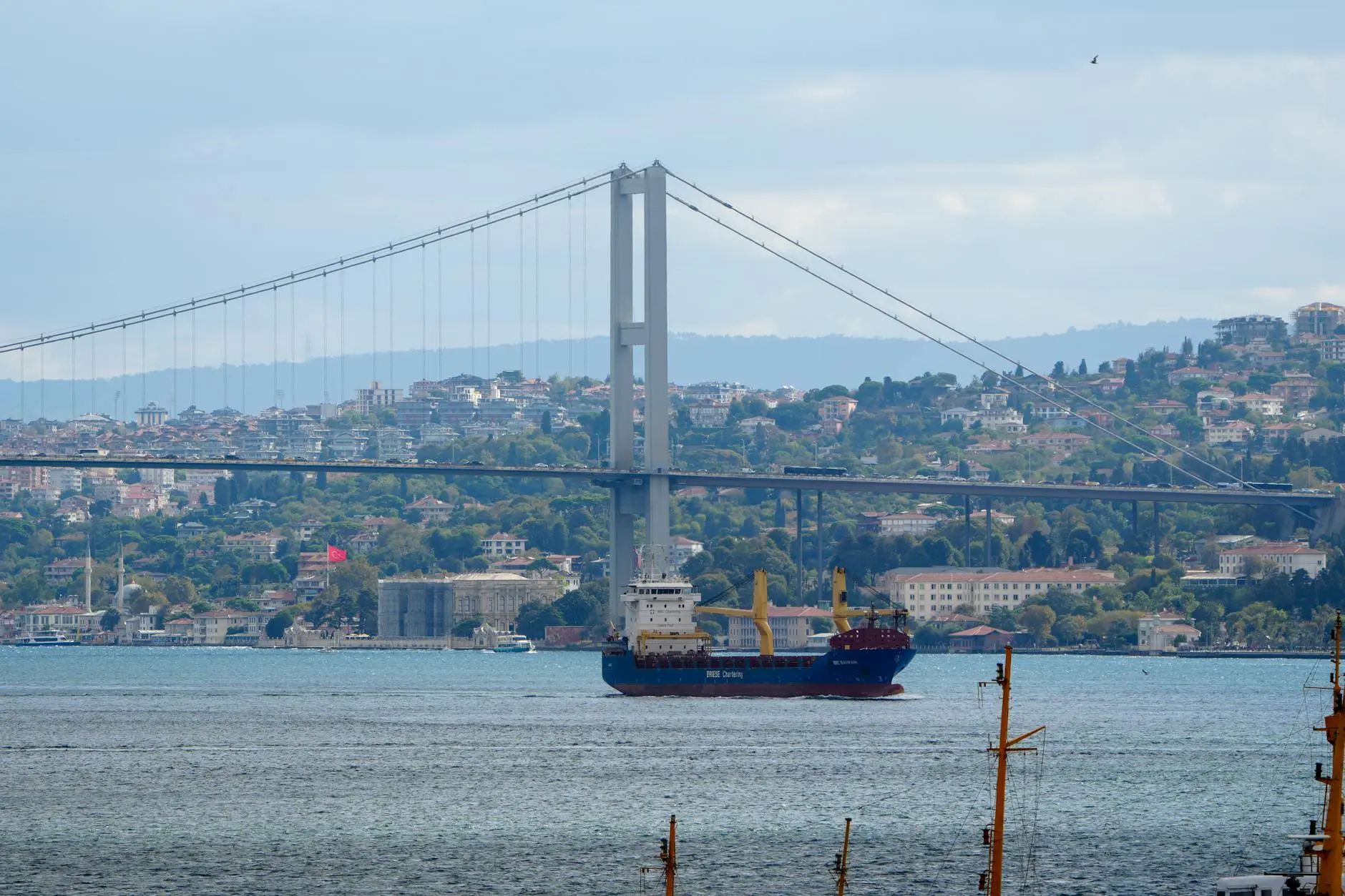
Oil prices are surging as US-Iran tensions escalate, with the United States forming a naval coalition to escort commercial ships through the strategically vital Strait of Hormuz on March 17, 2026. This development comes amid escalating tensions between the US and Iran, raising concerns about potential disruptions to global energy supplies that could have far-reaching economic consequences worldwide.
The Strait of Hormuz is one of the world'''s most critical chokepoints for international oil trade, with approximately 20% of global oil supply passing through its waters daily. Any disruption to oil prices and shipping through this narrow passage between Oman and Iran could send shockwaves through energy markets already struggling with volatility. The US government has responded by announcing plans for a multinational naval operation to protect commercial vessels transiting through key oil price regions.
US Forms International Naval Coalition
According to the White House, President Trump announced the formation of an international naval coalition during a press conference, calling on allied nations to contribute ships and personnel to protect commercial vessels transiting the Strait. The coalition aims to ensure the free flow of oil and maintain stability in one of the world'''s most strategically important waterways. Multiple countries have already pledged their support for the initiative, demonstrating unified commitment to stable oil prices.
As reported by the Associated Press, Treasury Secretary Scott Bessent stated that the US is prepared to allow Iranian ships to transit the Strait under certain conditions, suggesting a potential diplomatic off-ramp to the current crisis. AP News reported on the ongoing diplomatic efforts and China'''s warning about potential trade impacts affecting global oil prices.
The International Energy Agency announced plans to release 400 million barrels of oil from strategic reserves beginning at the end of March, aiming to cushion any supply disruptions caused by rising oil prices. According to IEA officials, this marks the second major reserve release in recent months, underscoring the severity of concerns about potential oil shortages and their impact on oil prices worldwide.
Impact on Global Markets and Consumers
Oil prices have experienced significant volatility over the past week, with Brent crude rising above 80 per barrel before retreating slightly on news of the naval coalition. Markets are closely watching developments in the Middle East, where any miscalculation could lead to a significant supply disruption and further oil price increases. The uncertainty has already prompted major oil consumers to reassess their energy strategies in response to volatile oil prices.
For everyday consumers, the tension could translate into higher gasoline prices at the pump within weeks if shipping disruptions materialize. According to analysts at major financial institutions, oil prices could spike to 100 per barrel or higher if the situation deteriorates further, directly impacting what drivers pay at gas stations. The economic impact would be felt across multiple sectors, from transportation to manufacturing.
Stock markets have responded with increased volatility, particularly in energy and transportation sectors. Major indices have seen significant swings as investors weigh the potential economic fallout from the crisis affecting oil prices. The uncertainty has led many portfolio managers to shift toward defensive positions while monitoring developments closely related to oil prices.
For GenZ consumers already facing high costs of living, rising oil prices represent another economic headwind. Understanding how geopolitical events translate into higher prices at the pump can help young adults make more informed financial decisions about budgeting for gas and transportation costs. The situation highlights the interconnectedness of global politics and personal finances in ways that directly impact daily life through oil prices.
China, the world'''s largest oil importer, has expressed concern about the potential impact on its energy supplies and warned that the US tariff moves could damage trade relations. The Asian giant relies heavily on Middle Eastern oil and has a significant stake in maintaining stability in the region to protect oil prices. Diplomatic efforts are continuing through various channels to prevent further oil price volatility.
The situation remains fluid, with both diplomatic and military elements evolving rapidly affecting oil prices. Experts suggest that while immediate conflict appears unlikely, the underlying tensions could simmer for an extended period, keeping markets on edge regarding oil prices. The long-term implications for global energy policy and oil prices could be significant.
Comments 0
No comments yet. Be the first to share your thoughts!
Leave a comment
Share your thoughts. Your email will not be published.