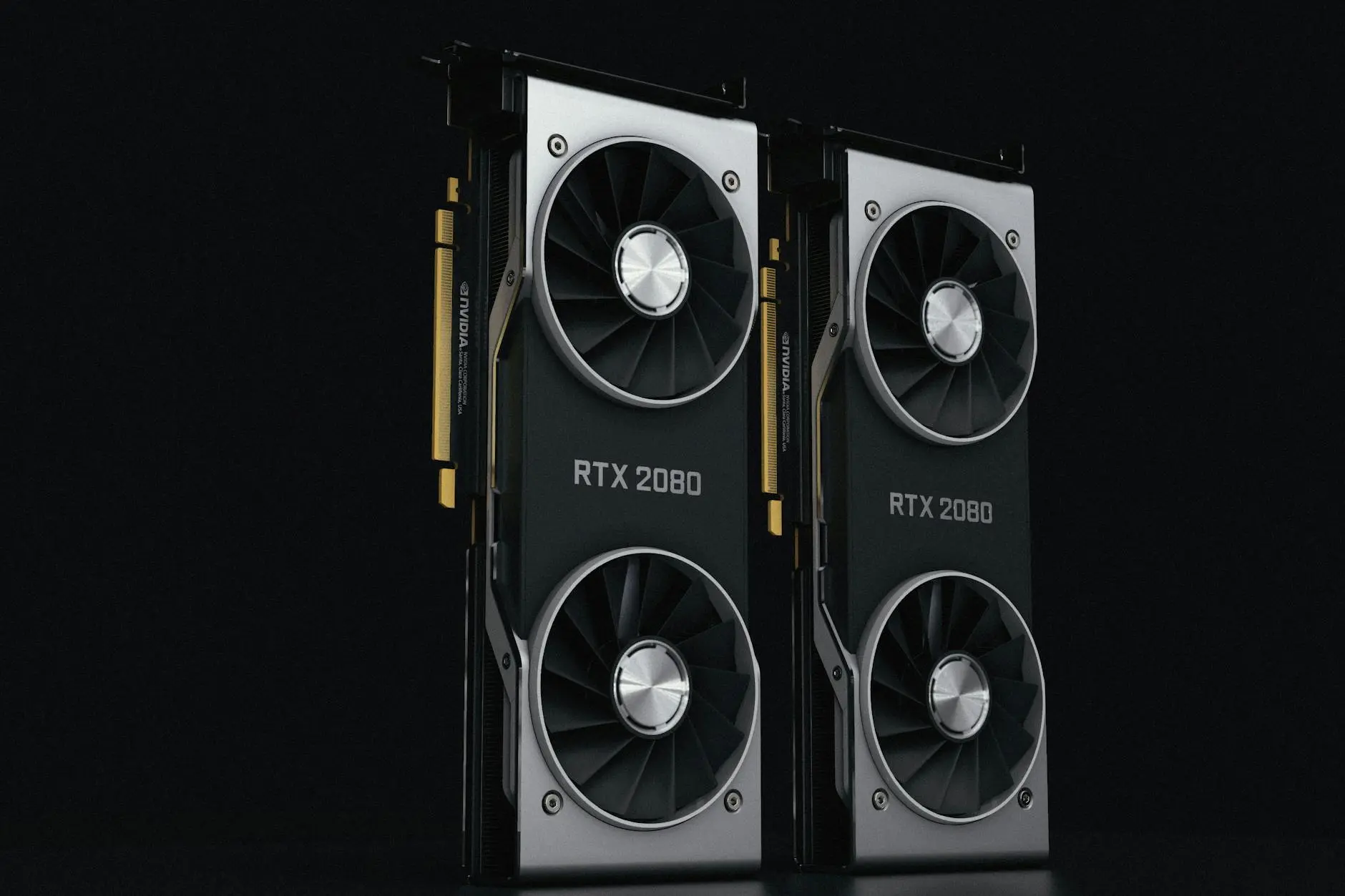
Nvidia GTC 2026 kicked off this week with CEO Jensen Huang unveiling what experts are calling the biggest leap in AI infrastructure since the generative AI revolution began. The annual Nvidia GTC 2026 conference, held at the San Jose Convention Center, introduced breakthrough technologies poised to reshape how artificial intelligence is developed and deployed across every industry. According to reporting from TechCrunch, the event drew over 25,000 attendees from across the technology sector, making it one of the largest AI conferences of the year.
The Vera Rubin Architecture Breakthrough
The centerpiece of Huang's Nvidia GTC 2026 presentation was the announcement of the Vera Rubin platform, the company's next-generation AI supercomputer architecture. The new design features the Vera CPU paired with HBM4 memory, delivering over three times the inference performance of previous generations while significantly reducing deployment costs for AI training and inference workloads. This announcement represents Nvidia's most ambitious hardware evolution yet, positioning the company to maintain its dominance in the rapidly expanding AI market.
According to Huang, the Vera Rubin platform represents Nvidia's first extreme-codesigned, six-chip AI supercomputer, specifically engineered for scalable, cost-effective large-scale AI deployment. The architecture includes upgraded NVLink interconnects, an enhanced Transformer Engine, and confidential computing modules designed to meet the most stringent enterprise security requirements. As reported by Forbes, this platform aims to solve the persistent 'AI anxiety dilemma' by making advanced computing more accessible to organizations of all sizes.
Nemotron 3 Super Powers the Agentic AI Era
Perhaps the most anticipated reveal at Nvidia GTC 2026 was the Nemotron 3 Super, a groundbreaking 120-billion-parameter hybrid mixture-of-experts model optimized specifically for autonomous agentic AI systems. The model delivers five times higher throughput compared to previous iterations, enabling complex multi-agent workflows with a one-million-token context window designed to prevent goal drift and efficiently manage context explosion in sophisticated AI applications.
The new model is already being adopted across various sectors, including AI-native companies, life sciences research institutions, and major enterprise software platforms. Its capabilities extend far beyond traditional applications into advanced search optimization, automated data science, and complex workflow management. As detailed in the official Nvidia blog, this release signals a major industry shift toward fully autonomous AI agents capable of operating independently across business environments.
AI as Infrastructure: The Five Layer Cake Framework
During his Nvidia GTC 2026 keynote, Huang emphasized a fundamental paradigm shift in how businesses should conceptualize artificial intelligence. In a comprehensive blog post released earlier this week, he described AI as 'essential infrastructure' spanning five critical layers: energy, chips, infrastructure, models, and applications. This framework, which he calls the 'Five Layer Cake,' positions AI not merely as a technological advantage but as fundamental economic infrastructure comparable to electricity, broadband, or transportation networks.
The company also announced a substantial $2 billion investment in Nebius, a leading AI cloud infrastructure firm, alongside strategic support for emerging startups like Thinking Machines Lab founded by former OpenAI executives. These partnerships reflect Nvidia's strategic focus on expanding AI ecosystems beyond hardware into comprehensive cloud services and software platforms. Fortune magazine noted that these investments demonstrate Nvidia's commitment to building out the entire AI technology stack rather than remaining solely a chip manufacturer.
Open Models and Revolutionary Autonomous Systems
The Nvidia GTC 2026 presentation highlighted the company's growing commitment to open-source AI development, a strategic pivot that could reshape industry dynamics. Huang showcased Alpamayo, an innovative open reasoning model family specifically designed for autonomous vehicles, and demonstrated AI-defined driving capabilities through a strategic partnership with Mercedes-Benz. The live demonstration featured a Mercedes-Benz CLA showcasing next-generation autonomous driving technology that leverages Nvidia's latest inference capabilities.
The autonomous systems segment of the keynote featured stunning demonstrations of humanoid robotics and advanced physical AI applications, underscoring Nvidia's strategic expansion beyond traditional data center markets into robotics, advanced manufacturing, and next-generation transportation sectors. This aggressive move into physical AI represents a significant expansion of the company's total addressable market and positions Nvidia at the center of the emerging physical AI revolution.
Industry Response and Market Transformation
Technology analysts and industry observers have responded enthusiastically to the Nvidia GTC 2026 announcements, with many upgrading their projections for AI adoption timelines. CNBC reported that the increased focus on CPU technology alongside traditional GPU offerings represents a significant strategic expansion for the company. The introduction of standalone CPU deployments at major data centers like Meta's facilities signals Nvidia's clear intent to challenge established CPU manufacturers directly in the AI era.
Industry experts widely predict that the comprehensive technologies unveiled at Nvidia GTC 2026 will dramatically accelerate enterprise AI adoption across organizations of all sizes. The significantly reduced cost of deployment combined with substantially improved performance metrics makes advanced AI capabilities accessible to a much broader range of organizations, from agile startups to established Fortune 500 companies seeking digital transformation.
What This Means for Gen Z
For a generation already deeply immersed in AI-powered tools and digital-first experiences, the Nvidia GTC 2026 announcements signal a transformative future where artificial intelligence becomes even more fundamentally embedded in daily life. From significantly more capable virtual assistants and AI-driven career development tools to advanced creative applications, the infrastructure unveiled this week will likely power the next wave of applications that define how Gen Z works productively, learns effectively, and connects meaningfully in an increasingly AI-native world.
According to comprehensive reporting from TechCrunch and Forbes, the Nvidia GTC 2026 conference featured more than 240 startup showcases highlighting innovations in physical AI, advanced robotics, and next-generation generative applications. These remarkable developments strongly suggest that the AI landscape will continue evolving at an accelerated pace, creating unprecedented new opportunities for the next generation of technologists, creators, and digital entrepreneurs.
Comments 0
No comments yet. Be the first to share your thoughts!
Leave a comment
Share your thoughts. Your email will not be published.