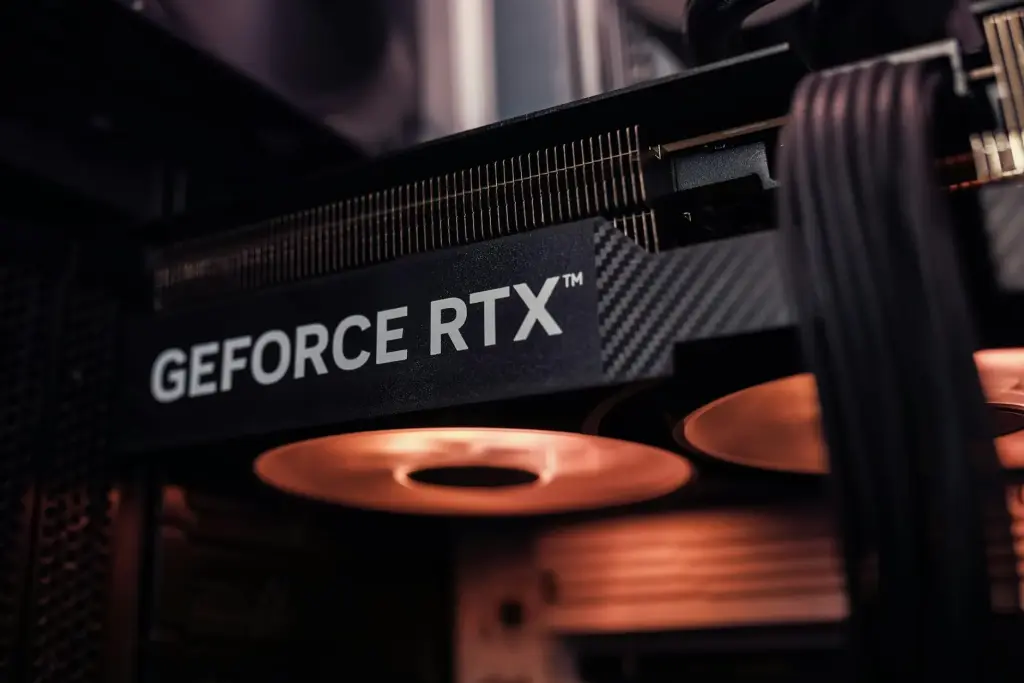
Nvidia DLSS 5 just dropped and the internet is absolutely losing it. If you have not seen the drama unfold across Twitter, Reddit, and YouTube, here the tea: Nvidia latest AI-powered graphics technology is being called everything from revolutionary to AI slop — and the gaming community is NOT having it. The controversy surrounding Nvidia DLSS 5 has exploded into one of the biggest debates in PC gaming this year, with memes, think pieces, and even the CEO himself jumping into the fray.
According to multiple gaming outlets, the backlash began when Nvidia showcased Nvidia DLSS 5 at their GTC conference, demonstrating the technology ability to add photorealistic lighting and materials to games in real-time. The demos showed significant visual changes to characters and environments — changes that many gamers describe as uncanny, oversmoothed, and basically like applying an Instagram filter to your favorite video game characters. The DLSS 5 off vs DLSS 5 on format has become a meme template, with users comparing everything from game characters to random images using the same transformation. Reports indicate that nearly 70% of respondents to an online survey conducted by gaming news sites expressed negative opinions about the visual changes.
What Actually Going On With DLSS 5?
To understand the Nvidia DLSS 5 controversy, you first need to know what the technology actually does. DLSS (Deep Learning Super Sampling) has traditionally been an upscaling technology — it takes a lower-resolution image and uses AI to upscale it to a higher resolution, basically making your games run faster while looking almost as good. It has been a game-changer for ray tracing performance, and most gamers have loved it.
But Nvidia DLSS 5 goes much further. As reported by IGN, this new version does not just upscale or generate in-between frames — it can now add entirely new visual elements to pixels, including photorealistic lighting and materials that were not in the original game. Nvidia claims this represents a new level of photoreal computer graphics previously only achieved in Hollywood visual effects. The technology ties AI models directly to game engine data, potentially transforming how games look in ways that go far beyond simple upscaling.
Here where things get messy. The AI is essentially dreaming up details that were not there before — smoothing skin, adding shine to surfaces, changing character faces in ways that look suspiciously like those AI beautification tools that nobody asked for. Gamers are calling this yassifying characters, and it is spreading across the internet as one of the most meme-able graphics controversies in recent memory.
Jensen Huang Response Is Wild
Nvidia CEO Jensen Huang was not about to let the criticism slide. In a direct response to the backlash, Huang basically told everyone they were wrong. According to IGN, Huang stated first of all, they are wrong when addressing the controversy, defending Nvidia DLSS 5 by emphasizing that game developers retain full control over how the technology is implemented. He explained that DLSS 5 integrates AI-driven control over geometry and textures, not just post-processing effects, and that it fundamentally different from a simple filter.
But gamers are not buying it. The tech community has been quick to point out that while Nvidia promises developer control, the actual implementation might not match the artistic vision that game studios have spent years perfecting. As Engadget noted, critics are concerned that Nvidia DLSS 5 could lead to a homogenization of game visuals — where every game ends up looking strangely similar due to AI-generated aesthetic choices.
The timing is also giving people pause. Nvidia DLSS 5 is expected to launch this fall alongside the RTX 50 series graphics cards, with the company using two RTX 5090s (one for the game, one for DLSS processing) to run the demos. That is an enormous amount of hardware just to demonstrate the technology, leading some to question whether average gamers will even be able to experience it properly.
Game Developers Are Weighing In
Perhaps the most interesting development in the Nvidia DLSS 5 controversy is how game developers are responding. According to IGN, Bethesda has already committed to further adjusting DLSS 5 use in Starfield following the backlash, emphasizing that changes will be under artists control and completely optional for players. This is a big deal because Starfield was one of the games prominently featured in Nvidia controversial demo.
The concern from developers is legitimate. Game artists spend years crafting specific visual styles and atmospheres — from the gritty realism of The Last of Us to the stylized worlds of Zelda. The idea that an AI algorithm might automatically improve these carefully crafted aesthetics by adding extra shine and smoothing feels like a violation of artistic intent. Studies show that players often connect emotionally with games precisely because of their unique visual identities, and automatically altering those could fundamentally change the experience.
The broader implications extend beyond just one technology. This debate is really about AI role in creative industries, and Nvidia DLSS 5 has become a lightning rod for all the anxieties around generative AI replacing human creativity. Whether you think this is the future of gaming or a dystopian nightmare depends heavily on your view of AI in art.
So what the verdict? The Nvidia DLSS 5 controversy shows no signs of cooling down, and with the fall release date approaching, both Nvidia and game developers will need to address gamer concerns head-on. Whether this becomes another tool in the developer arsenal or a cautionary tale about AI overreach will depend on how the technology evolves between now and launch. One thing is for sure: the gaming world will be watching closely.
For more tech news and gaming updates, stay tuned to GenZ Newz Tech where we break down the latest controversies and innovations shaping the future of gaming.
Comments 0
No comments yet. Be the first to share your thoughts!
Leave a comment
Share your thoughts. Your email will not be published.