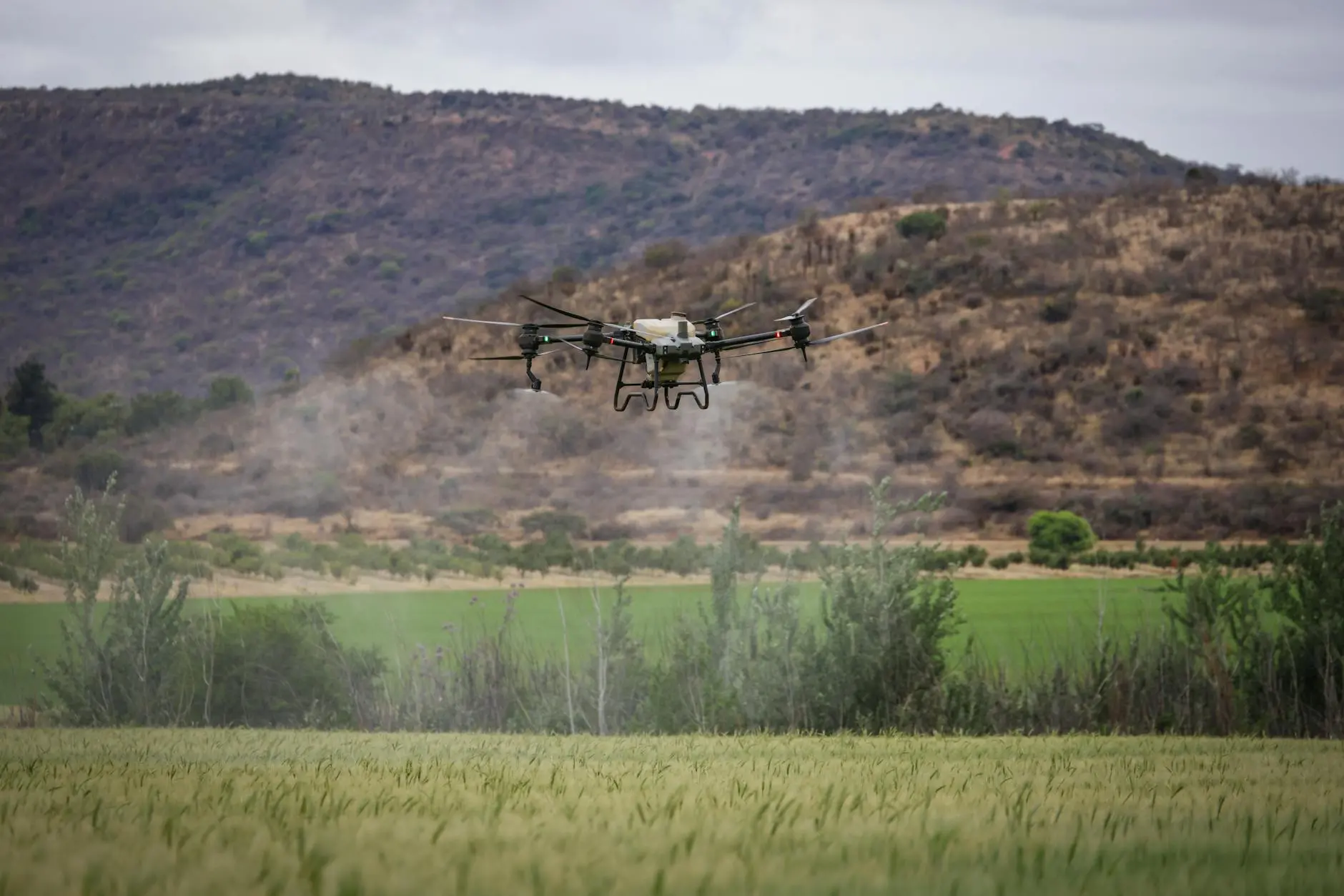
In a groundbreaking launch event in Silicon Valley, Nuwa Agricultural Technology has unveiled its flagship "Cleaning + AI Monitoring" livestock robot, marking a significant leap forward in agricultural automation. The emerging AgTech company, focused on livestock automation and AI-driven farm intelligence, revealed a system that goes far beyond simple mechanical cleaning to become a comprehensive data collection and analysis platform for modern farming operations.
Revolutionary Dual-Function Robot Transforms Farm Operations
The Nuwa livestock robot represents a paradigm shift in how technology interacts with agricultural environments. Unlike traditional cleaning equipment that merely performs mechanical tasks, Nuwa's robot simultaneously conducts autonomous cleaning operations while collecting behavioral and environmental data through sophisticated multimodal sensors and advanced AI vision algorithms. According to company announcements, this dual functionality transforms routine maintenance into an intelligent data-gathering process.
The company's strategic vision positions cleaning not as a purely mechanical task, but as a continuous data collection gateway for livestock farms. By capturing real-time information about animal behavior, environmental conditions, and facility status, the robot enables farms to transition from traditional experience-based management to sophisticated data-driven livestock operations. This approach could revolutionize how farmers understand and optimize their animal husbandry practices.
AI Vision Technology Powers Intelligent Monitoring
At the heart of Nuwa's innovation lies advanced artificial intelligence capable of processing complex visual and sensor data. The AI vision algorithms can identify patterns in animal movement, detect early signs of health issues, monitor feeding behaviors, and assess environmental factors that impact livestock wellbeing. This level of automated monitoring was previously impossible without significant human labor investment.
The multimodal sensor array includes cameras, thermal sensors, air quality monitors, and movement detectors that work together to create a comprehensive picture of livestock conditions. By continuously analyzing this data stream, the Nuwa system can alert farmers to potential problems before they become serious issues, potentially reducing livestock mortality rates and improving overall farm productivity.
Silicon Valley Launch Signals AgTech's Growing Importance
Nuwa's choice of Silicon Valley for its launch event reflects the growing intersection between traditional agriculture and cutting-edge technology. The company's debut places it alongside other tech innovators working to modernize one of humanity's oldest industries. According to The Globe and Mail, this launch represents a broader trend toward integrating AI, robotics, and real-world agricultural data into next-generation intelligent farming infrastructure.
The agricultural robotics market is experiencing explosive growth, with projections estimating the sector will reach approximately $84-98 billion by the early 2030s. This growth is driven by increasing labor shortages in farming, rising operational costs, and the growing demand for sustainable agricultural practices that technology can help enable. Nuwa's entry into this market with a specialized livestock solution positions the company at the forefront of this transformation.
Adaptive Learning Through Real-World Deployment
One of Nuwa's key innovations is its deployment strategy focused on gradual expansion across multiple farming environments. The company recognizes that agricultural data quality varies significantly due to differences in climate, farm scale, and production systems. By deploying across diverse environments, Nuwa's AI models continuously improve through exposure to real-world datasets.
This adaptive learning approach ensures that the robot becomes more effective and accurate over time, learning from each unique farm environment it encounters. The system can adjust its cleaning patterns based on facility layout, adapt its monitoring priorities to different livestock types, and refine its data analysis based on specific farm operational needs.
The Future of Smart Agriculture
Nuwa's Silicon Valley launch represents just the beginning of what the company envisions as a complete intelligent operating system for livestock farms. The integration of physical automation with AI-powered analytics creates possibilities that extend far beyond current farming practices. Future iterations could potentially include predictive health monitoring, automated feeding optimization, and integration with broader farm management systems.
For the agriculture industry, which has historically been slow to adopt new technologies, innovations like Nuwa's robot demonstrate how AI can address real operational challenges while providing measurable returns on investment. As labor costs continue rising and skilled farm workers become scarcer, automated solutions that combine physical labor with intelligent oversight become increasingly essential.
What begins with a robot cleaning a barn floor may ultimately reshape how livestock farming operates across the world. Nuwa Agricultural Technology's debut signals that the future of farming is not just automated, but intelligently aware—where every routine task becomes an opportunity for data-driven insight and optimization.
Comments 0
No comments yet. Be the first to share your thoughts!
Leave a comment
Share your thoughts. Your email will not be published.