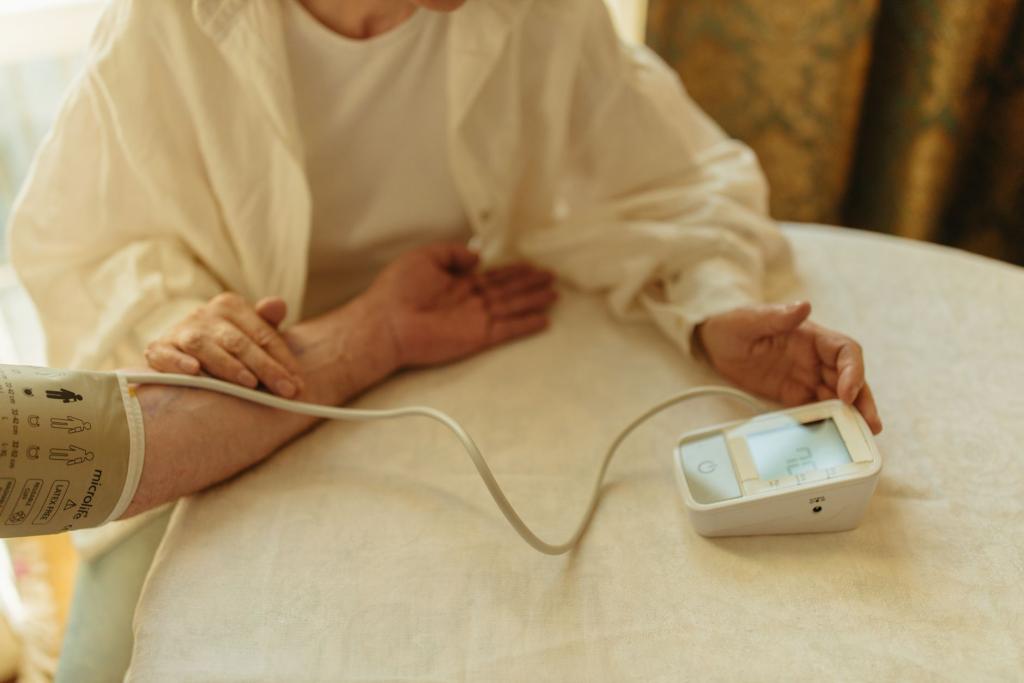
Young Adults With High Blood Pressure usually have no idea anything is wrong. That is the unsettling takeaway from a new Australian analysis published in Hypertension Research, a Nature portfolio journal: about one in ten people aged 18 to 39 has hypertension, yet fewer than one in ten of those cases had ever been detected, according to the study authors.
Young Adults With High Blood Pressure were counted using the standard cutoff: a measured reading of 140 over 90 or higher, or current use of blood pressure medication. The researchers drew on 5,217 young adults whose survey responses represent roughly 7.5 million Australians in that age band, using the country's 2017-18 National Health Survey.
Why Young Adults With High Blood Pressure Go Undetected
Among Young Adults With High Blood Pressure in the survey, the headline numbers read like a failing report card: 9.4% had been detected, 6.8% were receiving treatment, and 4.5% had their blood pressure controlled. Men fared worse than women on every measure, with prevalence at 13.3% in men against 8.0% in women, and detection reaching 12.2% in women but only 7.8% in men.
The most revealing cut of the data concerns the checkup itself. More than four in five of the young adults with hypertension said a clinician had measured their blood pressure within the previous two years — yet only 11.2% of that checked group had the condition picked up. Among those who had not had a recent check, detection collapsed to 0.9%, with no one treated or controlled at all. Getting measured, it turns out, is not the same as getting diagnosed.
Part of the explanation sits in the guidelines. Australian guidance bases treatment decisions for primary prevention on a five-year absolute cardiovascular risk score, and because of their age, most young adults land in the "low risk" bucket — which means they can miss out on lifestyle counseling or medication even with high readings. Drugs are generally recommended on blood pressure alone only once readings pass 160 over 100. For Young Adults With High Blood Pressure, there is little in the system prompting a follow-up, and the widespread perception of hypertension as an older person's disease does the rest, the authors note.
Geography mattered too. Detection, treatment and control ran slightly lower in rural areas than in major cities and inner regional zones. One subgroup bucked the trend: young adults who also had high cholesterol saw far better numbers across the board, likely because they were already in regular care for the other condition.
England Shows the Same Blind Spot at Scale
A second, much larger analysis out of England tells the same story with bigger numbers. Researchers at Oxford Population Health examined clinic readings from about 1.4 million adults enrolled in the Our Future Health research program between 2022 and 2025, publishing the results in BMJ Public Health. Using World Health Organization criteria, they found 37% of adults had hypertension — and 59% of those cases had never been diagnosed. Among people already taking blood pressure medication, only half had their condition under control, as reported by Medical Xpress in its writeup of the England findings.
The English pattern rhymes with the Australian one: men were hit harder than women (42% versus 29% after age adjustment), prevalence climbed steeply with age, and progress on detection flatlined around 2011, with signs of slippage after the Covid-19 pandemic disrupted routine care. The full Australian paper argues that standard care pathways are missing young patients who rarely trigger risk-based treatment rules.
Stack the two studies together and the message sharpens. In England, roughly two in five adults with hypertension know about it; the Australian figure sits in the single digits. Young Adults With High Blood Pressure in Australia are picked up at a fraction of the already-low English rate. The detection gap is deepest where the disease is least expected — in people in their twenties and thirties who feel fine. Both research teams land on the same prescription: stop waiting for high blood pressure to announce itself and go looking for it instead. For more on the science of everyday health, see our health coverage.
What Young Adults With High Blood Pressure Can Actually Do
The practical takeaway is refreshingly simple: get the numbers. A blood pressure check takes a few minutes at a GP visit, a pharmacy, or many campus clinics, and it is often free. Ask for both numbers — the top (systolic) and bottom (diastolic) — and what they mean for you, rather than accepting a vague reassurance.
If a reading comes back high, do not panic — and do not ignore it either. A single elevated reading is not a diagnosis; stress, caffeine, and the classic white-coat effect can all inflate one measurement, which is why guidelines call for confirmation across separate visits. What matters is the follow-up: book the recheck, and if home monitoring is an option, bring a short log of readings to the appointment.
Day-to-day habits move the needle more than most people expect. Less sodium-heavy takeout, regular movement, keeping alcohol moderate, not smoking, and protecting sleep all nudge blood pressure down — the same small-habit playbook that pays off across the board in your twenties and thirties. None of it requires a diagnosis to start.
The bottom line from both countries is the same: Young Adults With High Blood Pressure are being failed less by medicine than by attention. The condition is common, silent, and — once found — highly manageable. The hardest part is simply finding it.
Comments 0
No comments yet. Be the first to share your thoughts!
Leave a comment
Share your thoughts. Your email will not be published.