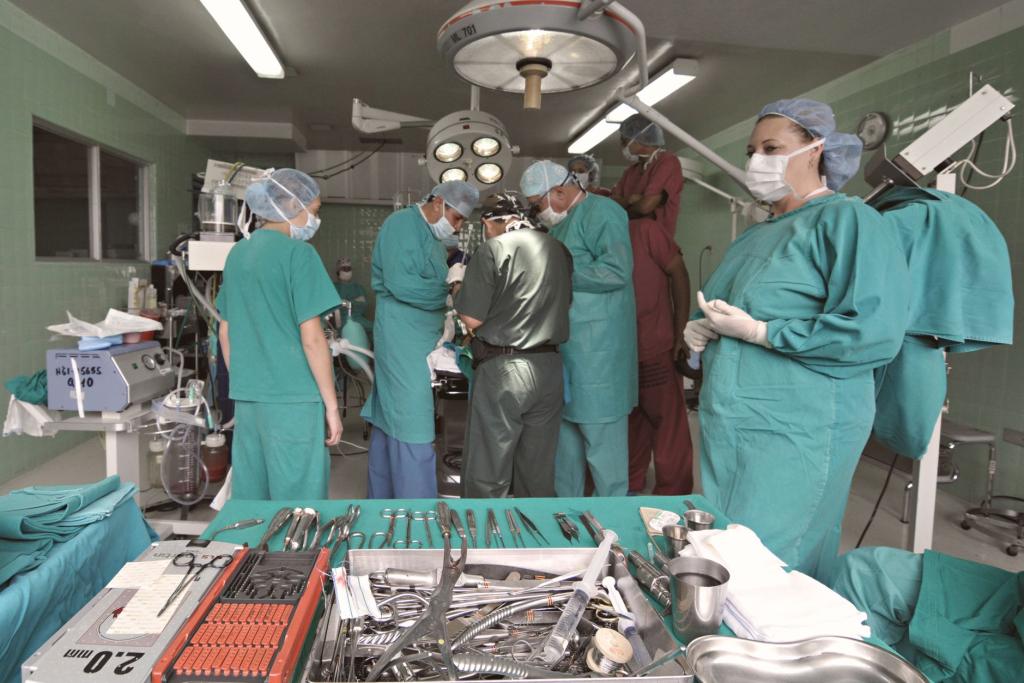
The NHS has begun using a new brain tumour test that can identify the type of a tumour while the patient is still on the operating table, cutting a diagnostic wait that can stretch for weeks down to about two hours.
For patients, that wait is one of the hardest parts of the disease. After surgery for a suspected tumour, people currently go home without knowing exactly what they are facing until the laboratory finishes its molecular analysis. The new test shortens that uncertainty to a single operation.
The test works by reading the tumour's DNA. A tissue sample taken during surgery is run through a compact, shoebox-sized sequencing machine made by Oxford Nanopore, paired with specialist software developed by the University of Nottingham together with hospital clinicians. As DNA molecules pass through tiny holes known as nanopores, the system builds the tumour's genomic fingerprint, which specialists match against known tumour types. The result goes straight back to the operating team, according to reporting by the BBC.
The shift reflects a broader change in how tumours are classified. Doctors once relied mainly on what tissue looked like under a microscope. Modern diagnosis increasingly depends on the genetic profile of the cells, and the new test brings that analysis into the operating theatre rather than leaving it in the pathology laboratory.
A diagnosis delivered during the operation
The BBC followed one of the first patients to benefit: Steve Palmer, 55, who collapsed at the gym and had surgery at Queen's Medical Centre after a brain tumour was found.
His tumour sample went through the new sequencing test while surgeons operated. Roughly twenty minutes in, the team reported that the tumour was probably a glioblastoma. It was later confirmed as grade four.
"Getting that quick diagnosis removed weeks of anxiety," Palmer told the BBC.
The timing matters because the tumour type can change what the surgeon does with the tissue in front of them. Some tumours can be cured by removing as much of the mass as possible. Others are too aggressive for that approach, and surgery on them can only remove part of the growth while avoiding healthy brain tissue. Knowing which one the surgeon is dealing with, while the operation is still under way, lets the team choose the right approach the first time.
Consultant neurosurgeon Stuart Smith of Nottingham University Hospitals NHS Trust said conventional molecular and genetic analysis typically takes several weeks to return a result. With the new test, the answer arrives while the operation is still in progress. Smith called the ability to get detailed information about the tumour at the moment surgical decisions are being made "game-changing," according to PA Media's reporting. Consultant neuropathologist Dr Simon Paine said the genomic fingerprint gives far greater clarity than traditional analysis under the microscope, which allows treatment plans to be drawn up with greater precision.
What changes for patients
More than 12,000 people are diagnosed with a primary brain tumour in the UK each year, and there are around 150 different types. Each type behaves differently and responds differently to treatment, which is why an accurate diagnosis is the foundation of everything that follows.
With a result available almost immediately, patients can start radiotherapy or chemotherapy sooner rather than waiting for the laboratory. They can also be considered for clinical trials earlier. Trial eligibility often depends on a confirmed diagnosis, so shortening the wait can open doors that would otherwise stay shut for weeks.
NHS England is piloting the test at five specialist centres, including Nottingham, Birmingham, London and Newcastle, with plans to extend it to more hospitals if the pilot succeeds. NHS England described the pilot as a world-first in its announcement, reported by Medscape. In a statement, Professor Frankie Swords, NHS England's medical director, described it as a "remarkable rapid test" and said it had the potential to "completely transform" how brain tumours are diagnosed, with results reaching patients in days rather than weeks.
The advance lands in a busy year for medical research, from a McGill study on exercise and memory after sleep loss to what doctors want Gen Z to know about the fall flu shot.
The research team behind the brain tumour test says the technology could eventually be adapted for other cancers. For now, the pilot will determine how reliably the results hold up across different centres. If they do, NHS England plans a wider rollout.
More detail on the technology and the pilot is available in the Medscape report on the NHS pilot, the BBC's report on the new NHS test and in coverage of The Guardian's account of the University of Nottingham research.
Comments 0
No comments yet. Be the first to share your thoughts!
Leave a comment
Share your thoughts. Your email will not be published.