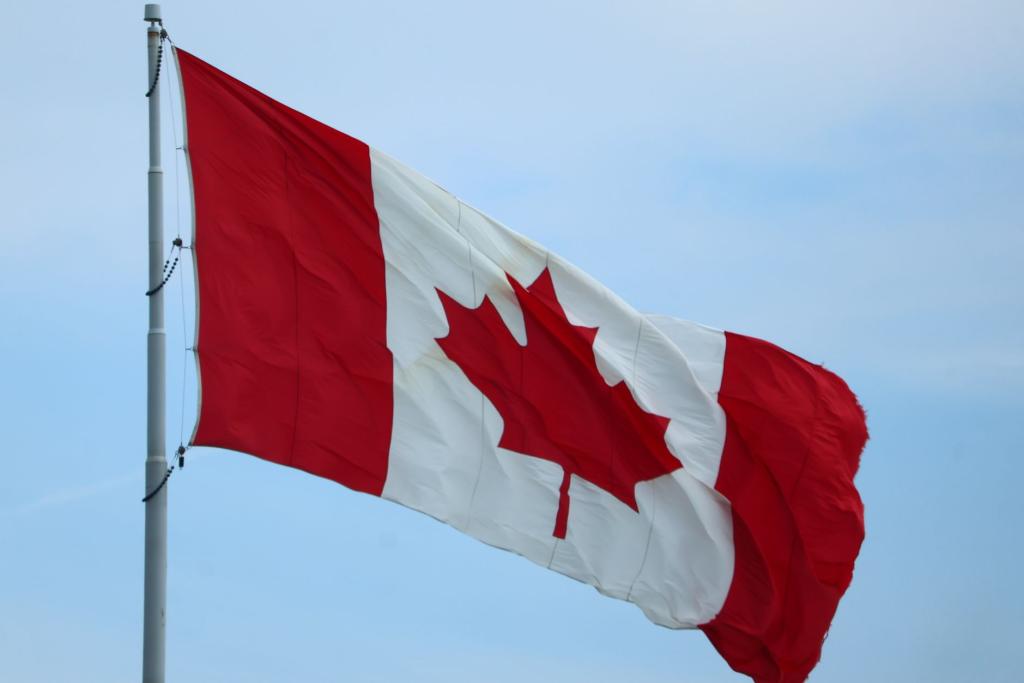
Canada and Germany have signed a new agreement setting the rules for how the two countries share classified information. The Canada Germany security pact was announced on September 25, 2026, in Gatineau, Quebec, by Joël Lightbound, the minister responsible for government transformation, public works and procurement, and Anita Anand, the minister of foreign affairs. The signing took place during the German foreign minister's visit to Canada. The pact covers intelligence, sensitive operational information, and technical data connected to defence and security activities, giving both governments a standing framework for exchanges that previously required case-by-case handling.
What the pact covers
The core of the Canada Germany security pact is a trusted channel for classified information to move between Ottawa and Berlin. According to the announcement from the Government of Canada, the framework applies to intelligence, sensitive operational information, and technical data tied to defence and security work. For Canadian companies, the practical effect is new access to German contracts that involve classified information. The release names the Canadian Patrol Submarine Project as one area where domestic industry could now take part in work that had been difficult to reach, and the Canada Germany security pact is meant to clear exactly that kind of hurdle.
Why Germany, and why now
Trade numbers help explain the timing. Bilateral merchandise trade between the two countries reached $34.3 billion in 2025, making Germany Canada's sixth-largest merchandise trading partner in the world and its largest inside the European Union. Germany has also increased its defence investments and its contribution to collective security in Europe, which the government says is creating new openings for cooperation. The Canada Germany security pact turns that opening into something concrete, giving Canadian firms a clearer path into German supply chains in high-value sectors.
How the ministers framed it
Officials presented the pact as a safety measure as much as a trade one. They said the deal makes Canada safer by improving how sensitive information is protected and by strengthening coordination with one of Canada's closest NATO allies. The foreign affairs minister pointed to a shared commitment to international security and democratic values, while the secretary of state for defence procurement, Stephen Fuhr, argued that cooperation with like-minded allies matters more during a period of heightened global uncertainty. In short, the Canada Germany security pact is being presented as a response to emerging threats and a support for shared security priorities.
The submarine connection
One detail in the announcement is likely to get attention in Ottawa. The Canada Germany security pact explicitly mentions the Canadian Patrol Submarine Project, a procurement program where Canadian industry participation has long been an open question. A standing agreement on classified information makes technical cooperation and industrial partnerships easier to arrange, and the Canada Germany security pact gives Canadian suppliers a better shot at taking part in bids involving German classified technology.
What happens next
With the signature in place, the next phase is implementation. The two governments will use the framework to exchange the categories of information it covers, and Canadian companies can start positioning for German contracts that require access to classified material. The government argues the Canada Germany security pact will strengthen Canada's standing as a trusted partner in strategic sectors and support economic growth, a message aimed at Canadian workers in high-value industries. More detail is available in the government's full announcement (Canada.ca release) and the official press release (newswire.ca release). According to the Government of Canada, the pact is consistent with its European Engagement Strategy, and officials say it will help Canadian companies compete in defence, security, aerospace, marine, energy and space.
Framework deals like this one rarely grab headlines by themselves, but they decide which doors open for a country's firms and its armed forces. The Canada Germany security pact puts Ottawa and Berlin on firmer footing for classified cooperation, from intelligence sharing to industrial contracts. Whether it delivers will depend on what actually flows through it.
Comments 0
No comments yet. Be the first to share your thoughts!
Leave a comment
Share your thoughts. Your email will not be published.