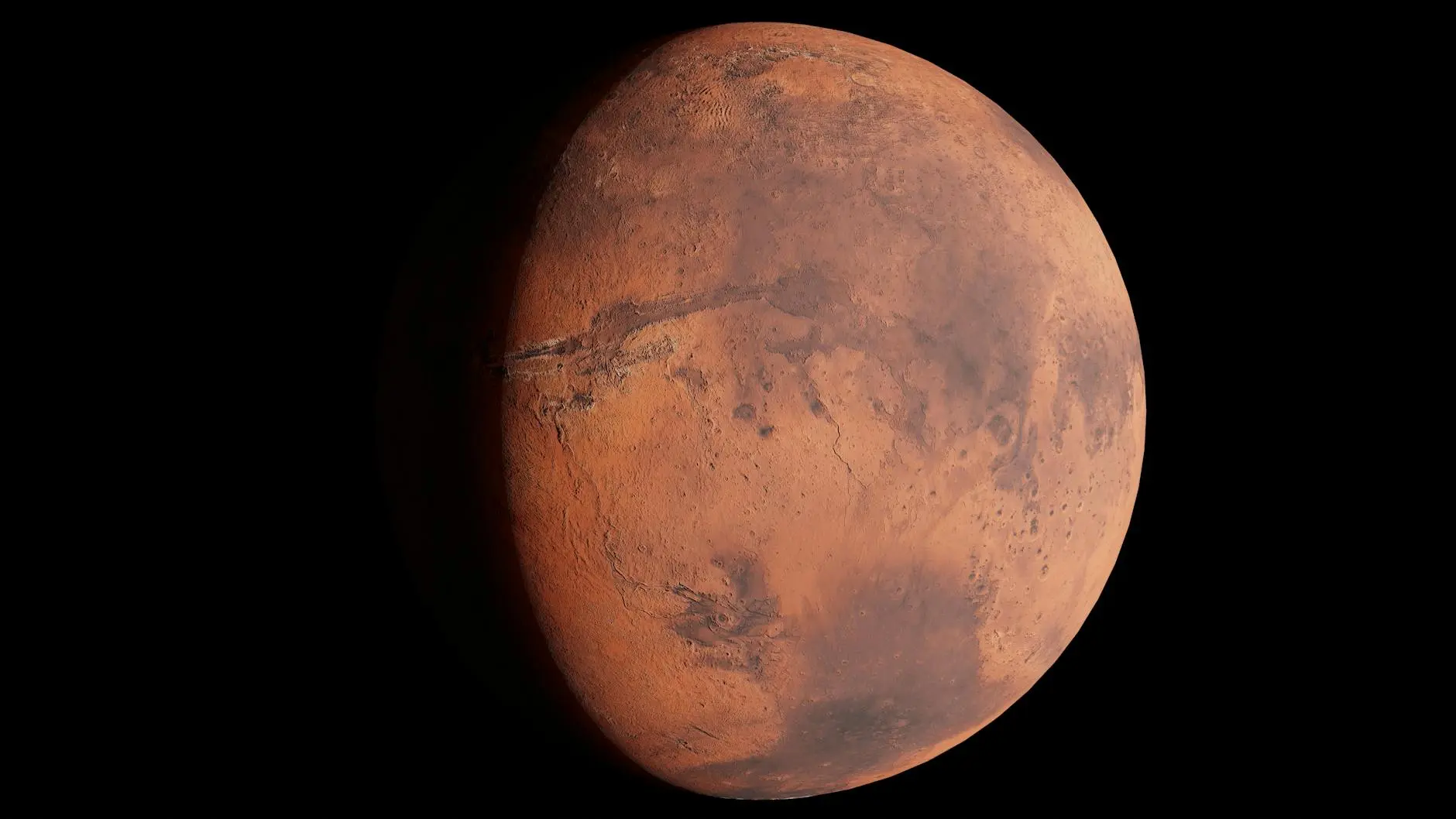
In a groundbreaking NASA Curiosity rover sulfur Mars discovery that has stunned scientists worldwide, the robotic explorer has found pure elemental sulfur deposits hidden inside rocks in the Gediz Vallis Channel. This remarkable find represents one of the most significant discoveries of the mission and could fundamentally change our understanding of Mars' geological history and potential for past life.
The Gediz Vallis Channel is a region on Mars that scientists believe was shaped by ancient flowing water billions of years ago. This makes it an ideal location for understanding the planet's watery history and its potential for supporting microbial life. When Curiosity drilled into a rock in this area, the rover's instruments detected elemental sulfur in quantities that no one expected to find on Mars. According to a report from The Daily Galaxy, the NASA Curiosity rover sulfur Mars discovery was completely unexpected and has opened up new avenues for research into Mars' geological processes.
The Science Behind the NASA Curiosity Rover Sulfur Mars Discovery
Scientists have long known that sulfur compounds exist on Mars, particularly in the form of sulfates that were first detected by earlier Mars missions. However, finding pure elemental sulfur is an entirely different matter that has surprised researchers. On Earth, pure sulfur is typically associated with volcanic activity or biological processes in hot springs and other extreme environments. The presence of this element in its pure form on Mars suggests that something unusual and previously unknown is happening in the Martian environment, making this NASA Curiosity rover sulfur Mars discovery particularly exciting.
The rover's chemistry analysis confirmed that the yellow deposits inside the rock were indeed pure sulfur, containing no other compounds. This discovery raises fascinating questions about how this sulfur was formed and what it means for the geological history of Mars. According to researchers studying the data, this finding could indicate that Mars experienced volcanic activity in its past that was far more complex than previously thought. This NASA Curiosity rover sulfur Mars discovery represents a new chapter in our understanding of the Red Planet.
The presence of pure sulfur on Mars connects directly to the search for past life on the Red Planet. While sulfur alone does not prove the existence of life, it is an essential element for many biological processes on Earth. Scientists are now investigating whether certain chemical reactions that could support life may have occurred on Mars billions of years ago in environments similar to where pure sulfur forms on our planet.
What This NASA Curiosity Rover Sulfur Mars Discovery Means for Exploration
The implications of this NASA Curiosity rover sulfur Mars discovery extend far beyond just understanding sulfur on Mars. If pure sulfur can form in certain geological conditions on Mars, it might provide crucial clues about the planet's thermal history and internal processes. Scientists are now examining whether similar deposits exist elsewhere on Mars and what specific conditions led to their formation. This could help us understand the deep interior of Mars and how the planet evolved over billions of years.
Furthermore, this NASA Curiosity rover sulfur Mars discovery adds another important piece to the puzzle of Mars' potentially habitable past. Researchers are particularly excited because the Gediz Vallis Channel where the discovery was made is known to have been carved by ancient rivers, meaning water and now sulfur were both present in this region. This combination of ingredients makes the area even more interesting for understanding whether Mars could have supported life.
Curiosity will continue exploring the Gediz Vallis Channel in the coming weeks, collecting more samples and conducting additional tests to unravel the mysteries of these sulfur deposits. The rover's mission team is extremely excited about this finding and believes it could lead to many more discoveries as they analyze the data further. According to NASA scientists, this is exactly the kind of unexpected finding that makes planetary exploration so rewarding.
To learn more about this incredible discovery, visit NASA's official science blog or read the full scientific paper published by the Curiosity team. For updates on Mars exploration and other space missions, explore more articles on GenZ NewZ Science. The findings represent a major milestone in our understanding of Mars and demonstrate that there is still so much more to discover about our neighboring planet.
Comments 0
No comments yet. Be the first to share your thoughts!
Leave a comment
Share your thoughts. Your email will not be published.