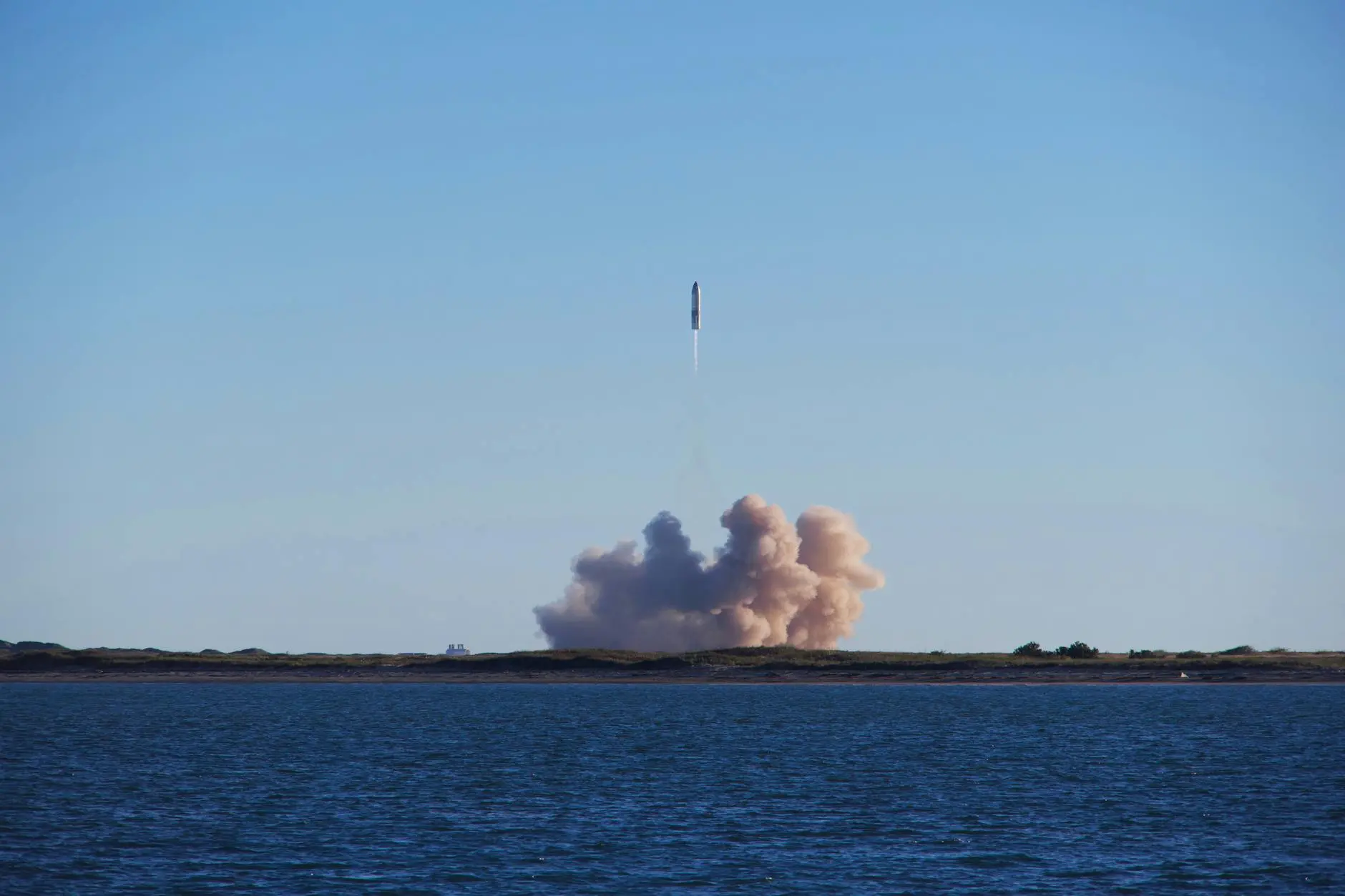
The Artemis II Mission Is Finally Ready
NASA has officially cleared Artemis II for launch in April 2026, marking humanity's first crewed mission to the Moon in over 50 years. According to NASA, all teams polled "go" to proceed toward the historic launch following a successful Flight Readiness Review at Kennedy Space Center on Thursday.
The mission was originally scheduled earlier this year but was delayed due to technical issues. Engineers discovered a helium-flow problem with the Space Launch System rocket after a fueling test in February. The rocket had to return to the Vehicle Assembly Building for repairs. Now, with those issues resolved, NASA is targeting April 1-6 for the launch window.
This represents a major milestone for the Artemis program and American space exploration. The last time humans traveled beyond low Earth orbit was during the Apollo 17 mission in December 1972. That was over 53 years ago—before most Gen Z was born. Artemis II represents a new era of lunar exploration with modern technology and diverse astronaut crews.
Meet the Artemis II Astronauts
Four astronauts will make the 10-day journey around the Moon and back. The crew includes Commander Reid Wiseman, Pilot Victor Glover, Mission Specialist Christina Koch, and Mission Specialist Jeremy Hansen. This diverse crew represents a new generation of NASA explorers.
Christina Koch holds the record for the longest single spaceflight by a woman, spending 328 days aboard the International Space Station. Victor Glover was part of SpaceX's Crew-1 mission, the first operational crewed flight of the Crew Dragon. Jeremy Hansen will become the first Canadian astronaut to travel beyond low Earth orbit, making this an international milestone as well.
The crew will enter quarantine at NASA's Johnson Space Center in Houston on March 18 before traveling to Florida on March 27. Their preparation represents years of training for this specific mission. As reported by the New York Post, this mission will test all systems before the actual Moon landing planned for later this decade.
Why This Mission Matters for Space Exploration
Artemis II isn't just about reaching the Moon—it's about establishing a sustainable human presence in space. The mission will test the Orion spacecraft's life support systems, navigation capabilities, and communication systems in deep space. According to The Daily Galaxy, this mission provides vital data for future lunar exploration and eventual crewed missions to Mars.
The experience gained from orbiting the Moon will help NASA refine its technology and mission plans. Unlike the Apollo missions, which were primarily about demonstrating technological superiority during the Cold War, the Artemis program aims to establish a permanent lunar presence. This includes building the Lunar Gateway space station and eventually mining lunar resources.
The mission architecture involves NASA's powerful Space Launch System rocket, the most powerful rocket ever built. Standing at 322 feet tall, the SLS generates 8.8 million pounds of thrust at liftoff. The Orion capsule will carry the astronauts for the 600,000-mile round trip. This is serious hardware designed for deep space exploration.
The Road Ahead: From Artemis II to Mars
NASA's long-term plans are ambitious. After Artemis II comes Artemis III, which will actually land astronauts on the Moon's surface. However, the program has faced delays and challenges. According to SpaceNews, NASA's Inspector General found that both SpaceX's Starship and Blue Origin's Blue Moon landers are behind schedule.
SpaceX's lunar lander development has hit several speed bumps. A critical test for in-space propellant transfer between two Starship vehicles was delayed 12 months from March 2025 to March 2026. Meanwhile, Blue Origin's lander is at least eight months behind schedule. These delays have pushed the Artemis III landing mission target to 2028.
Despite these challenges, NASA's new administrator Jared Isaacman has announced a major overhaul to accelerate the program. Both SpaceX and Blue Origin have committed to meeting the new timeline. The Ars Technica reports that NASA has also simplified requirements for the landers, no longer requiring them to dock in near-rectilinear halo orbit, which could speed up development.
What Artemis Means for Gen Z
This mission represents more than just a return to the Moon. It signals the beginning of a new space economy that could create jobs and opportunities for Gen Z. The Artemis program is expected to generate new industries in space mining, lunar tourism, and deep space manufacturing. NASA is partnering with private companies, opening doors for entrepreneurs and innovators.
The international cooperation aspect is also significant. Canada, Europe, and Japan are all contributing to the Artemis program. This represents a shift from the nationalistic space race of the 1960s to collaborative global exploration. For Gen Z, this could mean opportunities to work in international space projects regardless of nationality.
Perhaps most importantly, Artemis II proves that ambitious, long-term projects are still possible. In an era of short attention spans and instant gratification, NASA has spent over a decade planning this mission. The payoff comes in April when four humans will once again travel to the Moon. It's a reminder that some goals require patience, persistence, and vision—values worth remembering.
Mark your calendars for early April. Whether the launch happens on April 1 or during the backup window through April 6, history will be made. You can watch the launch live on NASA's platforms and witness the beginning of humanity's return to the Moon.
Comments 0
No comments yet. Be the first to share your thoughts!
Leave a comment
Share your thoughts. Your email will not be published.