Discovery of the Mysterious Radio Signal ASKAP J1424
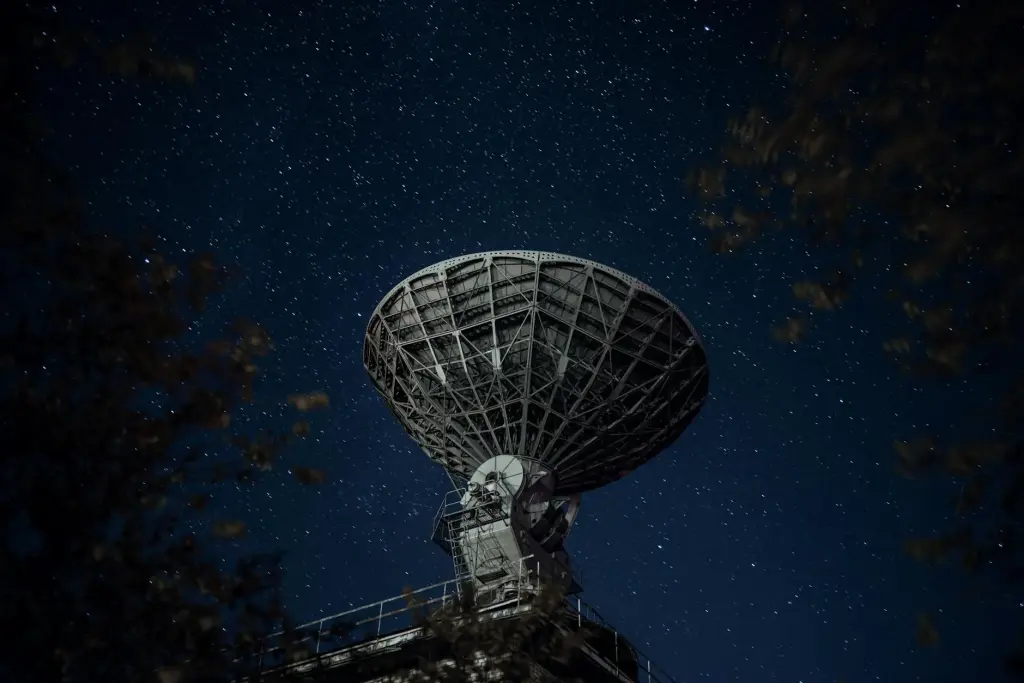
Astronomers using Australia's advanced radio telescope array have detected a mysterious radio signal that defies current scientific understanding. The Australian SKA Pathfinder telescope captured this enigmatic radio signal from an object designated ASKAP J1424, which pulses with remarkable precision every 36 minutes. This strange radio signal has left scientists worldwide puzzled as they work to identify its cosmic source. The radio signal exhibits an extremely stable profile, suggesting an underlying mechanism that operates with clockwork regularity unlike any previously observed phenomena.
The mystery of this radio signal deepens when examining its unusual behavior patterns. After emitting consistent pulses for approximately eight days, the ASKAP J1424 radio signal source simply switches off and disappears from detection. This intermittent radio signal activity adds another layer of complexity to an already baffling discovery. Radio astronomers globally are now analyzing this radio signal data, comparing it against known cosmic phenomena like pulsars and magnetars. None of these established categories adequately explain the 36-minute periodicity of this unusual radio signal.
This Radio Signal Challenges Our Understanding of Space
The ASKAP J1424 radio signal discovery challenges fundamental assumptions about radio-emitting objects in our universe. Traditional radio signal sources like pulsars typically pulse much more rapidly, completing rotations in mere seconds or milliseconds. The leisurely 36-minute period of this new radio signal represents a significant departure from all established patterns. This slow radio signal pulsing rate suggests either an extraordinarily massive object or an entirely unknown type of cosmic mechanism generating the radio waves.
According to research published in leading scientific journals, this radio signal detection could represent a previously unknown class of astronomical object. The Australian Square Kilometre Array Pathfinder has proven instrumental in revealing deep space mysteries that other instruments might miss. Scientists are now searching through archival data to determine if similar radio signals were previously detected but overlooked. The discovery team emphasizes that understanding this unusual radio signal may require developing entirely new theoretical frameworks. For readers interested in following this developing radio signal story, Nature's astronomy section provides ongoing coverage of discoveries from the Australian telescope array.
Scientists Investigate This Enigmatic Radio Signal
Research teams have proposed several hypotheses to explain this mysterious 36-minute radio signal. Some astronomers suggest the ASKAP J1424 radio signal could originate from an extreme example of a magnetar, a highly magnetized neutron star with unusual rotational properties. Others speculate about white dwarf stars exhibiting previously unknown radio emission mechanisms that produce such a slow radio signal. The eight-day radio signal activity window might indicate complex magnetic field dynamics or interaction with surrounding interstellar material affecting the radio waves.
Another intriguing possibility involves binary star systems where this type of radio signal emission occurs only during specific orbital phases. The periodic nature of the radio signal could reflect when two massive objects align in ways that trigger detectable radio bursts. However, no known binary system matches the precise characteristics observed in this ASKAP J1424 radio signal. The radio signal's stability during active periods and its complete disappearance afterward remain unexplained features demanding further investigation.
Implications of This Radio Signal for Future Research
The detection of the ASKAP J1424 radio signal demonstrates the remarkable capabilities of next-generation radio telescope technology. The Australian SKA Pathfinder represents just one component of an expanding global network designed to probe deeper into cosmic radio signal mysteries. This radio signal discovery highlights how much we still have to learn about the universe's radio-emitting objects. Each unexplained radio signal opens new avenues for research and theoretical development in radio astronomy.
Scientists anticipate that continued monitoring will reveal additional characteristics of this mysterious radio signal source. The next radio signal active period could provide crucial data for distinguishing between competing hypotheses. International collaborations are already forming to coordinate observations of this radio signal across multiple wavelengths. By combining radio, optical, and X-ray observations, researchers hope to locate the precise position of the ASKAP J1424 radio signal source and identify any counterpart objects in other electromagnetic bands.
What This Radio Signal Means for Space Science
Beyond the immediate scientific questions, discoveries like this mysterious radio signal inspire public interest in astronomy and space science. The radio signal mystery captures imagination while demonstrating the frontiers of human knowledge. Every unexplained radio signal reminds us that the universe still holds countless secrets waiting to be revealed. Young scientists entering the field today may be the ones who finally solve the puzzle of these 36-minute cosmic radio signal pulses.
Educational institutions are using discoveries like the ASKAP J1424 radio signal to engage students with real-time scientific investigation. The ongoing radio signal mystery illustrates how science progresses through observation, hypothesis formation, and collaborative verification. As radio signal data accumulates and new instruments come online, our understanding of deep space radio phenomena continues evolving. The Australian telescope's radio signal discovery joins a long tradition of astronomical surprises that ultimately expand human knowledge of the cosmos.
Comments 0
No comments yet. Be the first to share your thoughts!
Leave a comment
Share your thoughts. Your email will not be published.