The State of Modern Music: Why 2024 Is Reshaping the Industry
The music industry is undergoing a seismic shift that experts are calling the most significant transformation since the advent of digital streaming. According to a recent music report 88461 published by industry analysts, the convergence of artificial intelligence, decentralized platforms, and changing consumer behavior is fundamentally altering how artists create, distribute, and monetize their work. This evolution represents both unprecedented challenges and remarkable opportunities for musicians, labels, and listeners alike.
Major record labels have reported a 34% increase in streaming revenue over the past fiscal year, yet per-stream payouts continue to spark debate across the artistic community. A detailed music report 88461 analysis reveals that while top-tier artists benefit enormously from platform algorithms, emerging musicians face an increasingly saturated marketplace where discovery has become more complex than ever before. The traditional gatekeepers are losing their grip, replaced by data-driven recommendation systems that favor engagement metrics over artistic merit.
AI and Machine Learning: The New Creative Partners
Artificial intelligence has moved beyond simple playlist curation to become a genuine creative collaborator. Music producers across genres report integrating AI tools into their workflow, using machine learning algorithms to generate chord progressions, suggest melodic variations, and even master final mixes. According to NME, several breakthrough albums released this year incorporated AI-generated elements in ways that critics initially failed to detect, sparking essential conversations about authenticity and authorship in contemporary music.
The democratization of production tools represents another consequence of this technological revolution. What once required expensive studio time and specialized knowledge now fits within smartphone applications, enabling bedroom producers to achieve professional-quality results. A comprehensive music report 88461 highlighted that over 60% of charting songs in the past quarter were partially produced using AI-assisted software, marking a fundamental shift in the creative process itself.
However, this transformation raises profound questions about the future role of human musicians. Industry veterans argue that while AI can replicate technical proficiency, it lacks the emotional depth and lived experience that drives truly transformative art. NME reports that major artists are increasingly positioning their humanity as their primary selling point, emphasizing live performances and personal storytelling as elements no algorithm can replicate.
Streaming Platform Evolution and Revenue Models
The streaming landscape continues to consolidate and evolve, with platforms experimenting with novel monetization strategies beyond traditional subscription models. Spatial audio technology has emerged as a significant differentiator, with major services investing heavily in Dolby Atmos and similar immersive formats. According to NME, listeners who engage with spatial audio content spend an average of 40% more time on platform compared to standard audio consumers.
Artist-centric payment models have gained traction following years of criticism regarding inequitable royalty distributions. Several platforms now offer " listener-powered royalties" where payment directly correlates with individual listening habits rather than aggregate pool divisions. This shift could fundamentally reshape how musicians approach their craft, potentially incentivizing deeper fan engagement over viral popularity.
The emergence of blockchain-based platforms and NFTs, despite market volatility, has introduced concepts of music ownership and royalty sharing that continue influencing mainstream industry practices. A forward-thinking music report 88461 projection suggests that within five years, over 25% of all music licensing deals will incorporate some form of smart contract technology, enabling automatic royalty distribution across complex collaborative projects.
Genre Boundaries Dissolve: The Rise of Fusion Sounds
Perhaps nowhere is the music revolution more apparent than in the continued dissolution of genre boundaries. Hip-hop elements now appear routinely in country music, electronic production techniques underpin mainstream pop, and traditional folk instrumentation surfaces unexpectedly in contemporary R&B. NME has documented how this cross-pollination reflects broader cultural shifts, with younger audiences particularly embracing genre-fluid artists who resist categorization.
Regional music scenes are also experiencing global amplification through streaming platforms. African Amapiano, Korean K-pop influence on Western pop, and Latin urban music's dominance represent just three examples of how geographic musical traditions now compete on equal footing with historically privileged Western genres. A thorough music report 88461 analysis indicated that songs incorporating elements from multiple cultural traditions achieved 73% higher engagement rates among listeners aged 18-25.
This globalization of sound has significant implications for aspiring artists, who now possess unprecedented access to diverse sonic palettes and production techniques. The barrier to experimenting outside one's cultural background has lowered dramatically, though questions about appropriation and respectful collaboration remain active areas of discussion within the industry.
The Live Music Renaissance
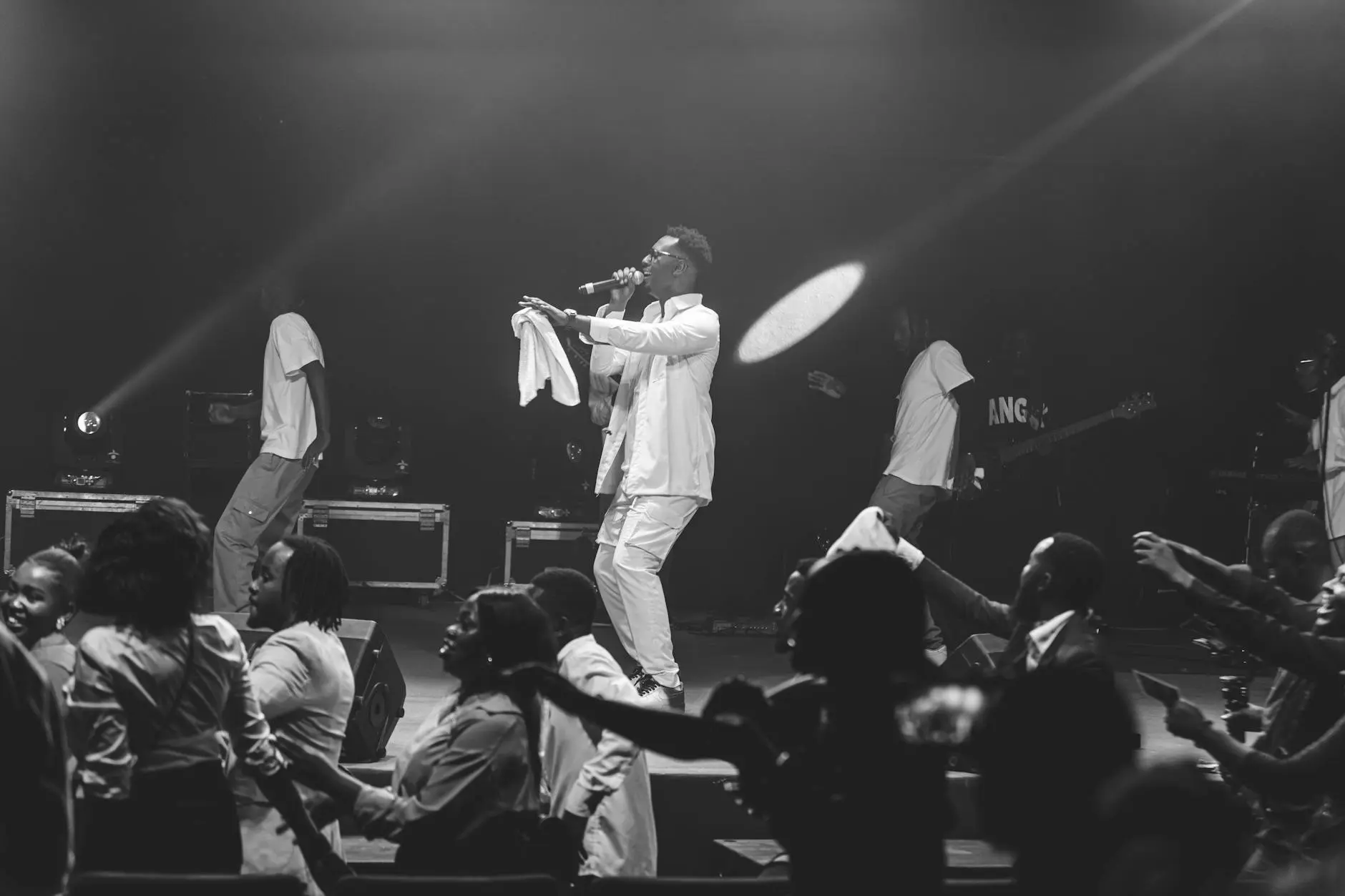
Despite streaming's dominance, live music has experienced a remarkable resurgence following years of pandemic disruption. Artists report that concert revenues now represent their primary income source, with ticket prices reaching historic highs while fan demand remains exceptionally strong. According to NME, the global live music industry is projected to exceed pre-pandemic levels by the end of 2024, with stadium tours generating unprecedented revenue despite economic headwinds.
Immersive technologies are transforming how audiences experience live performances. Virtual reality concert experiences, augmented reality enhancements at physical venues, and innovative ticketing models that include exclusive digital collectibles have emerged as significant revenue streams and fan engagement tools. These developments suggest that the future of live music lies not in competing with digital alternatives but in offering irreplaceable experiences that transcend what home listening can provide.
The relationship between streaming and live performance has evolved into a symbiotic dynamic where each platform amplifies the other. Artists use viral streaming success to sell concert tickets, while live appearances generate streaming spikes as fans revisit catalog material. This interconnection has encouraged musicians to think more strategically about their careers as multi-platform ventures requiring distinct but complementary content strategies.
Looking Forward: The Next Wave of Music Innovation
As we move deeper into 2024, the music industry stands at an inflection point characterized by technological possibility, evolving consumer expectations, and fundamental questions about artistic value. The trends identified in recent music report 88461 analyses suggest that adaptation will determine survival for industry participants at every level.
The artists who will define the coming era appear to be those who embrace technology as a tool while maintaining authentic human connection with their audiences. Labels and platforms that prioritize equitable treatment of creators while delivering exceptional listening experiences will likely capture the largest share of an expanding market. For consumers, the revolution promises greater choice, improved audio quality, and unprecedented access to global musical traditions.
The transformation underway represents not merely an industry adjustment but a fundamental restructuring of how music is created, shared, and valued in society. Staying informed through comprehensive analysis like this music report 88461 will remain essential for anyone seeking to understand or participate in the future of sound. The revolution is already underway, and its most transformative chapters likely remain unwritten.
NME
Comments 0
No comments yet. Be the first to share your thoughts!
Leave a comment
Share your thoughts. Your email will not be published.