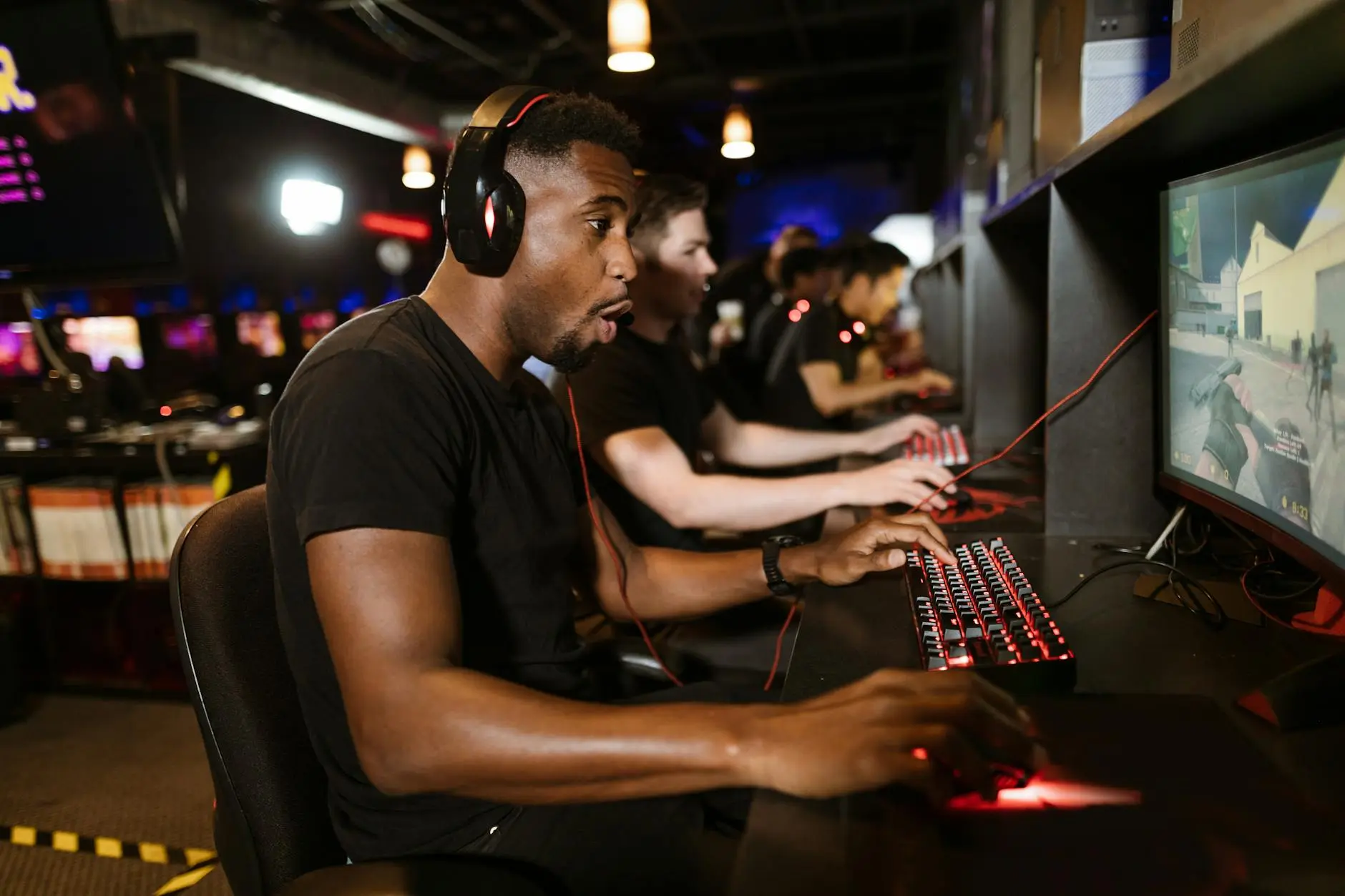
Gamers brace yourselves. MSI just confirmed what many feared. The NVIDIA GPU shortage is about 20% below what the market needs, and it is going to get expensive. According to a report from Money UDN citing MSI management, the company described 2026 as the toughest year since its establishment. The PC industry is facing major challenges, primarily due to a severe memory shortage that has driven up costs across the board. This NVIDIA GPU shortage affects everyone from casual gamers to professional esports players.
Memory Prices Skyrocket
The memory shortage is brutal. MSI noted that 16GB memory pricing was around $40 in Q2 last year but has now jumped to roughly $170 to $180, with some quotes reaching $200. This represents a staggering 350% increase in just months. The components that make your PC run are getting significantly more expensive. This dramatic price increase affects everything from RAM sticks to solid-state drives, making PC building more costly than it has been in years. Gamers on a budget will feel this pain the most in the current NVIDIA GPU shortage environment.
NVIDIA Cannot Keep Up
Beyond memory, the NVIDIA GPU shortage is creating a supply gap of approximately 20%. This shortage means gamers looking to upgrade or build new PCs will face higher prices and limited options. MSI is preparing to raise prices across its gaming product line by 15% to 30% to offset these challenges. The AI boom has created unprecedented demand for graphics processors, and NVIDIA simply cannot produce enough chips to meet everyone needs. This NVIDIA GPU shortage is making headlines across the tech industry today. The situation is unprecedented in recent memory for the gaming community.
PC Market Decline
The company expects the broader PC market to decline by 10% to 20%. This is worse than the roughly 10% contraction forecast by research firms. This marks a significant downturn for an industry that has seen explosive growth during the pandemic era. Multiple factors contribute to this decline, including supply chain issues, component shortages, and shifting consumer priorities. The NVIDIA GPU shortage is just one piece of a larger puzzle affecting the entire PC industry right now. Market analysts are concerned about the long-term implications.
MSI Shifts Strategy
In response to these challenges, MSI is pivoting its strategy. The company plans to cut back on lower-end models and focus more on mid-range and higher-tier products like the RTX 5060 and RTX 5070 classes. This shift aims to protect profit margins as component costs rise. According to MSI, this strategic shift will help them weather the storm of the NVIDIA GPU shortage for the foreseeable future. Low-end models previously made up about 30% of the mix, but MSI now wants to focus more on mid-range and higher-tier products. The company is making calculated decisions to survive this difficult period.
What This Means for Gamers
If you are planning to build or upgrade your PC this year, expect to pay more. GPU prices are heading upward, and availability will likely remain constrained throughout 2026. The NVIDIA GPU shortage shows no immediate signs of resolution, as AI applications continue to drive demand for high-performance graphics cards. Gamers may need to consider waiting for prices to stabilize or exploring alternative options like gaming laptops or cloud gaming services.
MSI is also betting big on its server business, targeting annual revenue growth of 50% to 100% over the next three to five years as AI demand continues to surge. The AI boom continues to strain GPU supplies, and with major tech companies competing for the same chips, the gaming community may need to wait longer for affordable graphics cards. According to TechCrunch, the AI boom continues to strain GPU supplies worldwide. This is the reality of the NVIDIA GPU shortage in 2026.
For more information on the current state of the GPU market, check out the full report from VideoCardz at https://videocardz.com/newz/msi-says-nvidia-is-supplying-about-20-fewer-gpus-than-the-market-needs. You can also read more about how the NVIDIA GPU shortage is affecting the broader technology industry on their platform right now.
Comments 0
No comments yet. Be the first to share your thoughts!
Leave a comment
Share your thoughts. Your email will not be published.