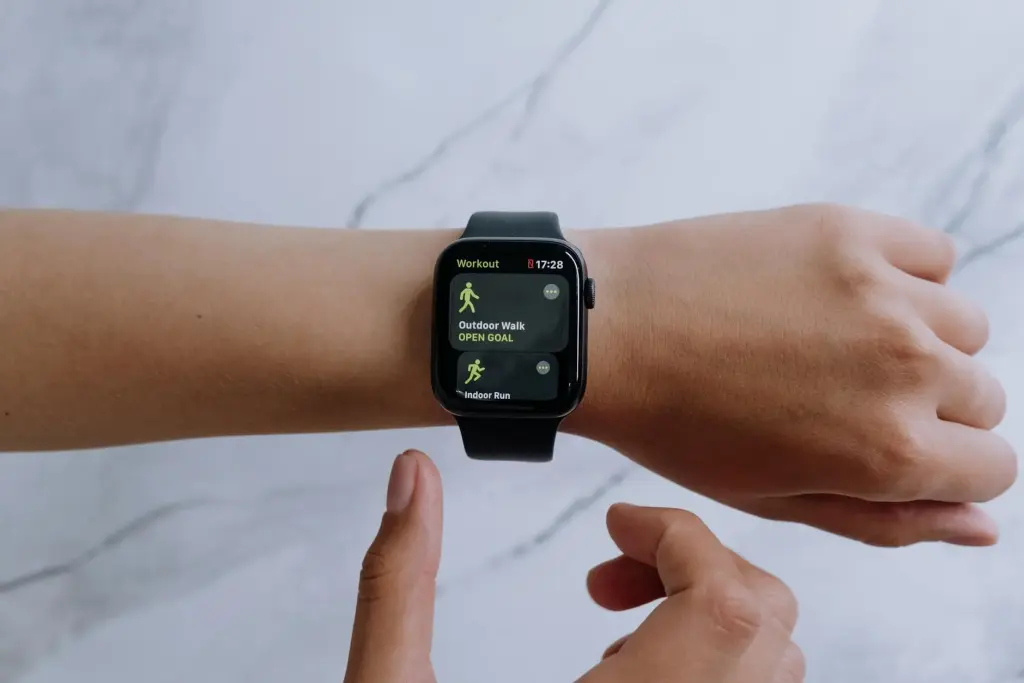
Microsoft is making a major play for the most personal data people have: their health records. The tech giant just unveiled Copilot Health, a new AI-powered feature that aggregates electronic health records, lab results, and data from wearables like Apple Watch, Fitbit, and Oura rings to generate what Microsoft calls "personalized health insights that you can act on." According to Microsoft AI head Mustafa Suleyman, this represents "the first steps towards a medical superintelligence."
Before handing over medical history to an AI chatbot, there are important things every Gen Z user needs to understand about how Copilot Health works—and what it means for privacy.
What Is Copilot Health and How Does It Work?
Copilot Health is essentially a dedicated, secure space within Microsoft's existing Copilot AI assistant. It connects to over 50,000 U.S. health providers and can pull data from more than 50 different wearable devices, according to reporting from Axios. The goal is to create what Suleyman calls a "coherent story" of a person's health—one that can actually be understood and used.
Instead of walking into a 15-minute doctor's appointment with a fuzzy memory and a printed spreadsheet, patients could walk in with an AI-generated narrative of their recent health history. The tool helps users understand test results, identify trends in sleep and activity, and even prepare questions for doctors ahead of appointments.
Microsoft says Copilot and Bing already field more than 50 million health-related questions every single day. That number shows just how many people are already turning to AI for health advice—whether or not it's the best idea.
Why Gen Z Should Care About AI Health Tools
For a generation that's grown up digital-native but is also facing rising healthcare costs and mental health challenges, having an AI assistant that can help navigate the complex medical system sounds appealing. According to Microsoft's own data, people asking health questions on mobile are dealing with more urgent, emotionally sensitive issues than those on desktop. Plus, about 1 in 7 health queries are on behalf of someone else—often a child, aging parent, or partner.
Suleyman sees Copilot Health as democratizing access to the kind of concierge healthcare that only wealthy elites currently enjoy. In an interview with Axios, he said, "I'm one of the very few privileged elites that gets access to a concierge doctor... and that is like a magical privilege. I truly believe that this is going to be the thing that we make available to everybody at a very affordable price in the next few years."
The appeal is clear: healthcare is expensive, confusing, and time-consuming. If an AI can help interpret blood work or figure out whether a symptom is worth seeing a doctor about, that could save both money and anxiety. But the trade-offs are real.
The Privacy Risks to Understand
Here's where it gets complicated. While Microsoft promises that Copilot Health conversations are encrypted and kept separate from general Copilot chats—and crucially, that health data won't be used to train AI models—there are still valid concerns that every user should consider.
Unlike health data shared with a doctor, which is protected by strict federal HIPAA privacy laws, data shared with an AI chatbot doesn't have those same protections. As The Next Web reported, Microsoft has confirmed Copilot Health is not subject to HIPAA because it operates as a direct-to-consumer service where users voluntarily share their own data.
That means medical information in Copilot Health has fewer legal protections than the same information at a doctor's office. Microsoft says the data is encrypted and secure, but the legal framework is different—and that's worth understanding before connecting health records.
Big Tech's Race for Medical Superintelligence
Microsoft isn't alone in this race. The competition for AI healthcare dominance is heating up fast. OpenAI launched ChatGPT Health in January 2026, giving users the ability to connect Apple Health and other fitness apps. Amazon just expanded its Health AI assistant to all customers—not just One Medical members—making it widely accessible. Google and other tech giants are also investing heavily in medical AI.
According to Forbes, Microsoft has become the latest Big Tech firm foraying into AI for medical use, joining a crowded field of companies betting that users will trade privacy for convenience. The battle for what these companies call "medical superintelligence" is on.
For now, Copilot Health is free and only available in the U.S. through a waitlist. Eventually, Microsoft plans to make it a paid service. Whether Gen Z will trust Big Tech with their most sensitive data remains to be seen—but with 50 million health questions already being asked daily on Microsoft's platforms alone, the demand is clearly there.
Should You Sign Up?
The decision to use Copilot Health depends on a person's comfort level with risk versus convenience. For those struggling to manage a chronic condition, help a family member with healthcare, or just wanting better insights into fitness data, the tool could be genuinely useful. But users should go in with their eyes open: they're trading some privacy protections for that convenience.
As AI becomes more integrated into healthcare, tools like Copilot Health will likely become more common—and more sophisticated. The question isn't whether AI will transform healthcare. It's whether society is ready for what that transformation means for privacy and the relationship people have with their own health data.
Comments 0
No comments yet. Be the first to share your thoughts!
Leave a comment
Share your thoughts. Your email will not be published.