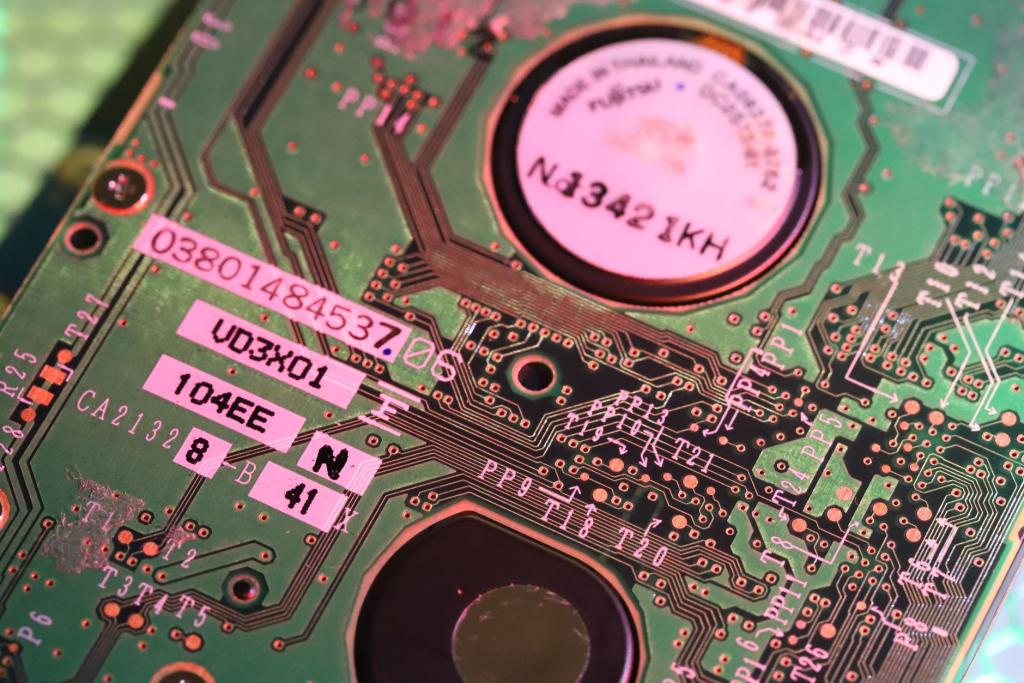
Microsoft has unveiled a new Maia artificial-intelligence chip at the OCP Global Summit in San Jose, framing it as the company's biggest investment yet in its own silicon. In a post on X, chief executive Satya Nadella described the chip as "our biggest bet yet on our own silicon," underscoring how hard the company is pushing to loosen Nvidia's grip on the hardware that powers its AI services, as reported by GeekWire.
The new chip is the third generation of Microsoft's in-house AI silicon. The first Maia chip arrived in November 2023, and the second-generation design, announced in January, went on to run production workloads for Copilot and GitHub Copilot. Azure chief Scott Guthrie wrote in a blog post that the Maia line is positioned to become the primary AI inference system across Microsoft's products and services, according to AlexTech.
The math behind Microsoft's own silicon bet
Microsoft says the chip delivers forty percent more AI output for the same power draw than leading GPU-based systems, though that figure has not been verified independently. At full rack scale, the company says a rack packs ninety-six chips drawing one hundred sixty-seven kilowatts and can produce up to seven times the AI output of the current generation, as reported by The Tech Portal. Those are exactly the economics that make building its own silicon so attractive: even single-digit efficiency gains translate into enormous sums when you run at Microsoft's scale.
The hardware uses a chiplet design: compute chiplets built on two-nanometer process technology from TSMC, paired with cheaper three-nanometer chiplets that handle data movement. The design is tuned for agentic AI workloads and long-context tasks, the kinds of jobs where shuttling data around the chip matters as much as raw compute. Splitting the design this way lets Microsoft pay for cutting-edge manufacturing only where it counts and save money everywhere else.
The money behind the bet is enormous. Microsoft plans to spend more than one hundred seventy-five billion dollars on capital expenditures this calendar year, much of it on AI infrastructure. The company says the second-generation Maia chip delivered thirty percent better total cost of ownership than the alternatives it replaced, and it plans to deploy more than a million of the new chips next year. Talks are underway with the Taiwanese chipmaker to secure more than three hundred thousand chips for delivery in 2027, ahead of large-scale deployments that year, according to TechDefused.
Why the move to own silicon matters to you
This is why the move to own silicon matters beyond Microsoft's balance sheet. If you use Copilot, Microsoft 365, or anything running on Azure, this chip is aimed squarely at the cost of the AI you already use. Chips that squeeze more AI output out of every watt of electricity let data centers serve more queries for the same power bill, and electricity is now one of the biggest costs in running AI at scale. Microsoft describes the planned deployments as supporting gigawatt-scale AI demand, a sign of how much power the AI era is starting to consume.
Cheaper inference could also filter down into the features readers actually see: more generous free tiers, faster responses, and AI agents that can run longer before the meter spins too fast. Owning the silicon gives Microsoft room to tune hardware and software together instead of waiting on a vendor's roadmap, which is how small efficiency wins become big product advantages over time.
There is a timing angle too. The industry's center of gravity is shifting from training giant models to running them, and inference is where the recurring costs live. A chip designed specifically for agentic AI, with its long chains of back-and-forth model calls, is a bet that the next wave of AI spending will be dominated by inference, not training.
The race to build own silicon is heating up
Microsoft is arriving late to a contest its rivals have been running for years. Google has powered its AI on custom TPUs for the better part of a decade, and Amazon has been scaling its Trainium chips across its cloud, with Amazon's multi-billion-dollar push into AI chips making clear that every hyperscaler now sees custom hardware as table stakes. Building your own chips is how the biggest cloud providers turn infrastructure from a pure cost into a competitive edge.
Pat Moorhead of Moor Insights and Strategy argues that at Microsoft's scale, designing your own chips stops being an engineering flex and starts driving margins, because every percentage point of efficiency compounds across millions of chips. That is the logic Wall Street will be watching: whether the new Maia hardware can bend the cost curve of Microsoft's AI business the way the second-generation chip reportedly did.
None of this means the Nvidia relationship is over. Nvidia chief executive Jensen Huang shared a stage with Nadella last week to discuss Windows PCs running on Nvidia chips, and Microsoft says it will also deploy Nvidia's Vera Rubin systems and AMD's Helios hardware alongside its own designs. The strategy looks less like a breakup and more like leverage: the more credible Microsoft's own silicon becomes, the stronger its negotiating position with every vendor.
For more on the infrastructure behind the AI boom, see the AI news topic page.
Comments 0
No comments yet. Be the first to share your thoughts!
Leave a comment
Share your thoughts. Your email will not be published.