Meta is turning its personal AI agent into a small business assistant. On September 29, 2026, the company announced Muse for Small Business, a collection of business skills and third-party app connectors built on top of its Muse personal AI agent, according to Unite.AI.
The announcement lands three weeks after Muse itself launched. Meta introduced the Muse AI agent on September 8, 2026 as software that completes tasks on a person's behalf and turns long-term goals into action plans.
The new release adds fifteen named connectors. The list includes Asana, Box, Canva, Dropbox, Figma, Granola, HighLevel, Intuit QuickBooks, Klaviyo, Lovable, Notion, Shopify, Slack, Stripe, and Zoom.
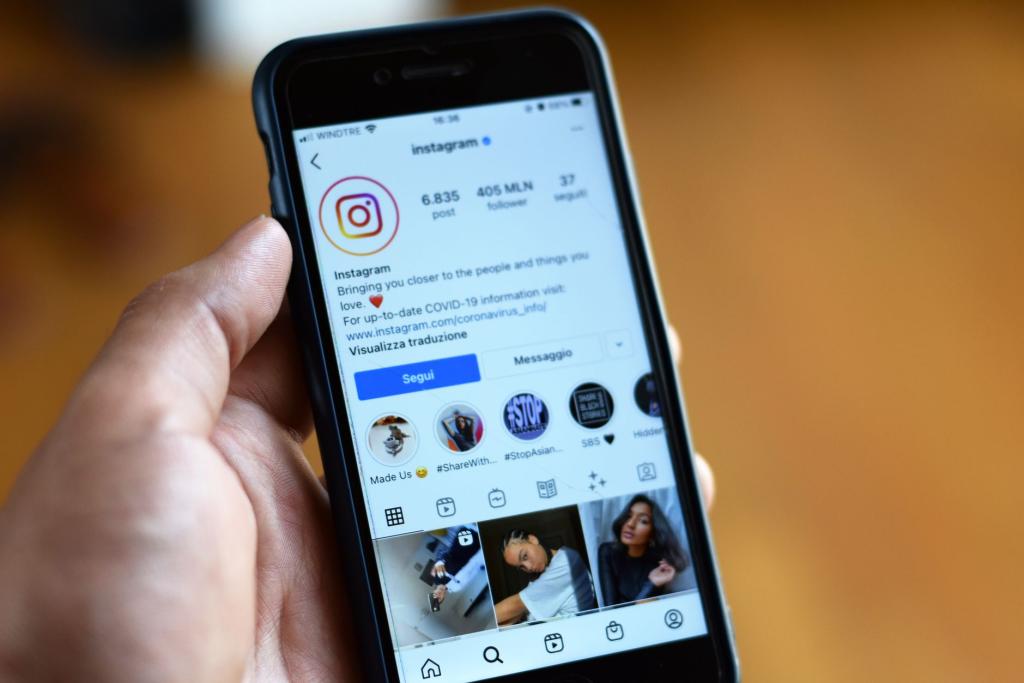
Those connectors sit alongside access to a user's Facebook and Instagram business accounts, giving the agent a view into the channels many small businesses already rely on for customers.
The choice of connectors is deliberate. QuickBooks and Stripe cover payments and bookkeeping, Shopify covers storefronts, Slack and Zoom cover team communication, and Klaviyo and HighLevel cover marketing automation. Together they sketch the shape of a small business operating stack that an agent could, in principle, run end to end.
How Muse works
Muse runs on what Meta calls Muse Secure VM, a dedicated cloud computer with its own browser that houses both the agent and a person's data.
The agent is powered by Muse Spark, which Meta describes as its most capable model to date. Meta says people can give Muse a goal, such as running their business or finding new customers, and the agent works toward it, continuing after they close the app and returning when something changes or needs approval.
At launch, Meta described Muse as rolling out on iOS, Android, and muse.ai. The September 29 announcement describes the Muse AI agent as available in the US and Canada, according to AI Tool Bible, with no UK date given.
The always-on framing is the core of the pitch. A chatbot answers a question and waits. Muse, as Meta describes it, is meant to take a project and run with it — drafting, following up, and reporting back, only pausing where a person has required approval.
That ambition is exactly what makes the plumbing matter. An agent that touches a business's accounting, storefront, and messaging apps is holding sensitive credentials, and a single misconfigured permission could turn a helpful delegation into an expensive mistake.
Always-on agents go mainstream
The timing puts Meta in a direct race. On the same day, September 29, OpenAI unveiled Dots, always-on agents that pursue user goals across applications, deepening its own push into the enterprise market.
Reuters reported that Meta's Muse had drawn millions of downloads earlier in September, jolting shares of companies investors believe could be affected by autonomous services, per Northland News Radio.
Both launches reflect the same bet: that users want software that acts on their behalf rather than waiting for the next prompt. The difference is the starting point. OpenAI is coming from the chat window down into the workplace; Meta is coming from a personal assistant up into business workflows.
That convergence raises a familiar question. With agents that keep working after the app closes, the stakes around permissions, audit trails, and agent identity are climbing fast — a trend explored in genznewz's recent coverage of agent identity security.
There is also a competitive logic to the timing. Whoever owns the always-on relationship owns the defaults: which calendar, which payment provider, which store the agent reaches for first. For small businesses, those defaults will shape workflows for years, which is why both companies are racing to arrive before habits harden.
What small businesses should watch
For small business owners, the pitch is delegation: tasks like bookkeeping prep, design drafts, or customer follow-ups handled continuously by an agent tied into the tools they already use.
The open questions are the usual ones for a young category. Pricing beyond the launch, the full geographic rollout, and how much autonomy owners are comfortable granting will decide whether Muse for Small Business becomes a daily tool or a demo that fades.
A good rule of thumb for early adopters: hand the agent one low-risk recurring task first — invoice reminders, say, or a weekly social draft — and watch how it handles the edges before connecting the accounts that move real money.
Either way, September 2026 will be remembered as the month always-on agents stopped being research demos and started competing for a slot in the small business software budget.
Comments 0
No comments yet. Be the first to share your thoughts!
Leave a comment
Share your thoughts. Your email will not be published.