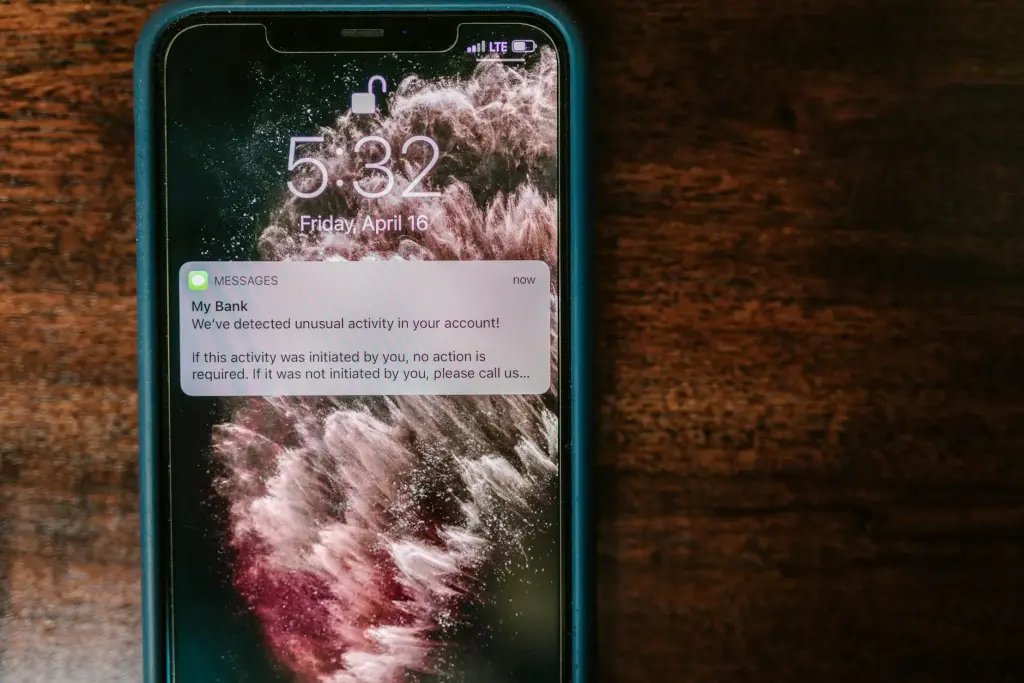
Meta has announced a significant expansion of its teen safety features on Instagram, introducing new parental alert systems that notify parents when their teenage children search for content related to self-harm and suicide. The feature, which launched in the United States, Canada, the United Kingdom, and Australia, represents the company's latest attempt to address mounting concerns about youth mental health and social media use.
The Instagram parent notification system is designed to bridge the gap between platform safety measures and parental awareness, giving families tools to identify when teens may be struggling with mental health challenges. When a user under 18 searches for flagged terms, their linked parent account receives an alert with resources and guidance on how to initiate supportive conversations.
How the Alert System Works
To enable the Instagram safety notifications, parents must first set up supervision through the app's Family Center feature. Once linked, the system monitors teen accounts for specific search terms associated with self-harm, suicide, eating disorders, and other sensitive topics. Rather than blocking content entirely, the approach focuses on transparency and facilitating parent-child dialogue.
The Instagram alerts include context about what was searched and direct parents to resources from mental health organizations including the National Alliance on Mental Illness and Crisis Text Line. Meta emphasizes that the notifications are not intended to be punitive but rather to create opportunities for families to address concerning behaviors before they escalate.
Privacy advocates have raised questions about the surveillance implications of monitoring teen searches, even with parental consent. The Instagram system requires opt-in from both parties, but critics argue that genuine consent from teenagers may be compromised by the power dynamics inherent in parent-child relationships.
Advocacy Community Response
Child safety advocates have offered mixed reactions to the Instagram announcement. Some organizations praised Meta for taking steps to increase parental visibility into potentially dangerous online behaviors, arguing that awareness is essential for early intervention in mental health crises.
However, prominent critics including the Molly Rose Foundation and Fairplay have accused Meta of 'passing the buck' on platform safety. These groups argue that Instagram's algorithms actively recommend harmful content to vulnerable users, and that parental notifications do not address the root problem of how the platform's engagement-driven design exploits teenage psychology.
'Parents cannot be expected to monitor their children's social media use 24/7,' said one advocate. 'The burden should be on Instagram to stop serving harmful content to kids in the first place, not to notify parents after the damage has been done.' The criticism reflects broader frustration with social media companies' approach to youth safety, which often places responsibility on families rather than platform design.
The Context of Youth Mental Health Crisis
The Instagram safety rollout comes amid what public health officials describe as a youth mental health emergency. Studies have documented alarming increases in depression, anxiety, and suicidal ideation among teenagers, with many researchers pointing to social media as a contributing factor.
Internal Meta documents leaked by whistleblower Frances Haugen revealed that the company was aware of Instagram's negative impact on teen mental health, particularly body image issues among young girls. The revelations sparked congressional hearings and regulatory scrutiny, intensifying pressure on Meta to demonstrate meaningful action on youth safety.
The Instagram parent alert system can be viewed as part of Meta's defensive strategy against potential regulation. By voluntarily implementing safety features, the company hopes to demonstrate good faith efforts while avoiding more restrictive government mandates that could impact its business model.
Limitations and Criticisms
Experts note significant limitations in the Instagram approach. Teenagers seeking sensitive content often use coded language and euphemisms that automated systems struggle to identify. The alert system may catch obvious searches while missing the sophisticated ways young users navigate platform restrictions.
Additionally, the Instagram notifications only function when parents and teens have established the supervision relationship through Family Center. Many teenagers maintain accounts unknown to their parents, creating a significant gap in the protective measure's coverage. Critics argue that truly at-risk youth are least likely to have the supervision features enabled.
The four-country initial rollout of Instagram's safety alerts also raises questions about global equity in platform protections. While English-speaking markets receive enhanced features, teenagers in other regions remain without comparable safeguards despite facing similar mental health challenges.
The Broader Regulatory Landscape
The Instagram announcement arrives as governments worldwide consider stricter regulations on social media platforms' treatment of minors. The UK's Online Safety Bill, the EU's Digital Services Act, and various US state laws all contain provisions targeting youth protection, creating a complex compliance environment for global platforms.
Meta's voluntary measures may influence the shape of eventual regulations. By demonstrating that technical solutions exist for parental oversight, the company hopes to steer policymakers away from more draconian restrictions such as age verification requirements or algorithmic transparency mandates that could threaten its advertising business.
Whether the Instagram safety features will satisfy critics or merely serve as public relations gestures remains to be seen. As research continues to illuminate the complex relationship between social media and youth wellbeing, platforms face increasing pressure to fundamentally reconsider how their products affect the most vulnerable users.
Comments 0
No comments yet. Be the first to share your thoughts!
Leave a comment
Share your thoughts. Your email will not be published.