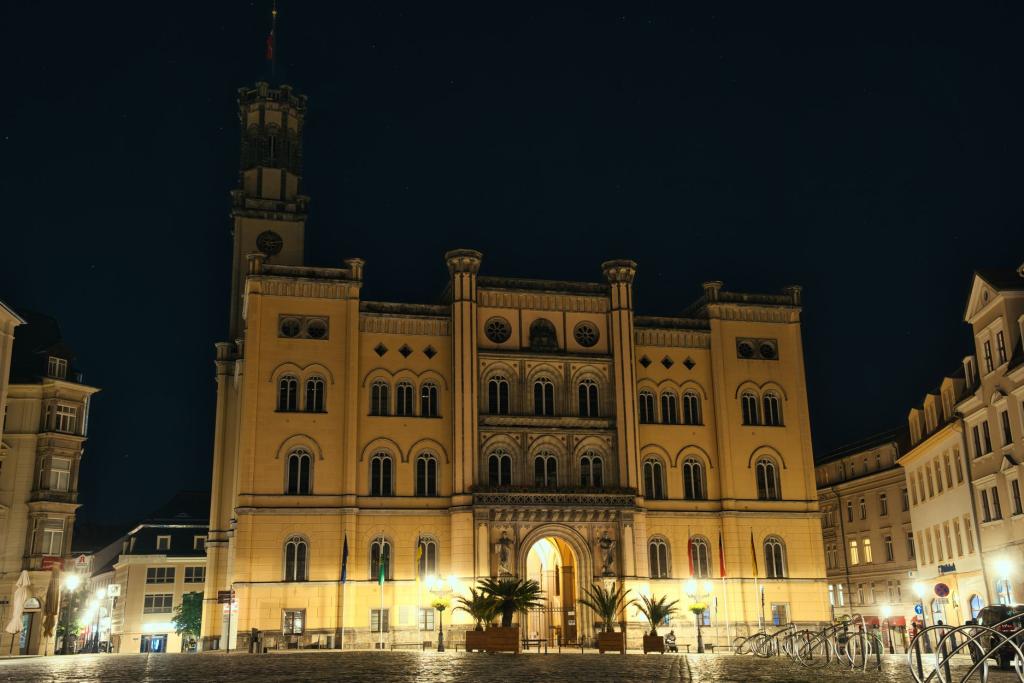
Emmanuel Macron went on television on the evening of October 18 with a promise aimed at the rioters who turned the previous day's marches into the worst urban violence France has seen in years. The France riots began as largely peaceful demonstrations over the cost of living and crumbling schools, then degenerated into looting, arson and clashes that left two people dead, scores of officers injured and a nineteenth-century town hall in ruins. "Those who destroyed must pay," the president said. "Those who looted will have to pay back for the damage, and those who sought to bring down the Republic will be held accountable."
The interior ministry put the toll at 2,397 arrests on October 17, with 997 police officers, gendarmes and firefighters injured, seven of them seriously. Paris police recorded 855 arrests in the capital region, a figure the prefecture described as a record. A 22-year-old police officer struck by a vehicle in Nantes was among the dead, along with a protester who suffered a cardiorespiratory arrest just north of Paris. About 1,500 stores across the country were affected by the violence, Alexandre Bompard, the chief executive of retailer Carrefour, said.
What Macron said and what he ordered
Macron spoke after chairing an emergency meeting at the Elysee Palace. He said hundreds of thousands of people had demonstrated with legitimate grievances and must never be confused with those who destroyed and vandalized. He blamed "unrestrained violence" by "insurrectionist elements from radical far-left groups, joined by numerous criminals." The president promised full transparency over how the marches were policed and asked Interior Minister Laurent Nunez to draw the necessary conclusions on intelligence and anticipation. When Nunez offered to resign, the president refused.
Macron also put mayors and prefects on notice. He said he had instructed prefects to work with mayors to protect public buildings and businesses in the coming weeks, including by banning protests when necessary, and promised help for affected businesses. Crisis cells have been opened, ministers were dispatched to the hardest-hit cities, and the government has scheduled meetings with parties, unions and local officials along with rapid aid and insurance coordination for merchants.
How October 17 spiralled
The marches were the convergence of two protest movements that had been building for weeks. Fuel protests began on September 15 amid anger over the rising cost of living, and from September 18 school staff and students started blockading high schools in Paris over poor conditions, including large classes, a lack of substitute teachers and underfunded buildings. On October 5, a 15-year-old lost a hand when a police stun grenade exploded outside his high school in Lens, which intensified the anger. A social media call to revive the yellow-vest movement, which erupted over fuel taxes in 2018, set October 17 as a national day of action. The CGT union, La France Insoumise, the Greens and the Communist Party all said they would join.
More than half a million people joined the marches nationwide, according to the authorities, while the CGT put the turnout at over eight hundred thousand. Most marched peacefully, waving French flags and calling for economic reforms. But as night fell, masked groups broke away and confronted riot police, who responded with tear gas and water cannon. In Limoges, rioters forced their way into the 1883 town hall and set it alight; the bell tower collapsed and much of the facade was destroyed, with prosecutors saying over a dozen people were arrested over the fire. A tourist office in Lyon was torched, protesters forced their way into the lobby of Marseille's city hall, and AFP reporters in Paris watched small organized groups disable security cameras before smashing shop windows to empty the shelves. Emmanuel Gregoire, the mayor of Paris, said whole streets "have been devastated."
Hundreds of protesters gathered again on Sunday at the Place de la Republique in Paris under a heavy police presence, and officers used tear gas as tensions flared sporadically, with small groups trying to set bicycles and rubbish bins on fire.
The political fallout
The address drew a swift attack from the opposition. Jordan Bardella, president of the National Rally, dismissed it as lamentable on X, accusing the government of cowardice and drift and saying it had nothing left to say to the French and nothing left to propose. Prime Minister Sebastien Lecornu, who had earlier denounced "violence of extreme intensity," publicly traded barbs with La France Insoumise leader Jean-Luc Melenchon on social media over who bore responsibility for the disorder and for the policing response.
Parliament has opened a commission of inquiry into the unrest, and unions have set a national strike for November 5. France is due to elect Macron's successor in 2027, so every party is already positioning itself on law and order. Cost-of-living protests also spilled across borders, with clashes and property damage reported during demonstrations in Belgium, Italy and Portugal. For more coverage of French politics, visit the Politics topic page, and for international angles see The World.
Read the full account of Macron's televised address and his vow to hold rioters accountable, reported by the Press Association. A detailed timeline of the disturbances appears on the 17 October riots page.
Comments 0
No comments yet. Be the first to share your thoughts!
Leave a comment
Share your thoughts. Your email will not be published.