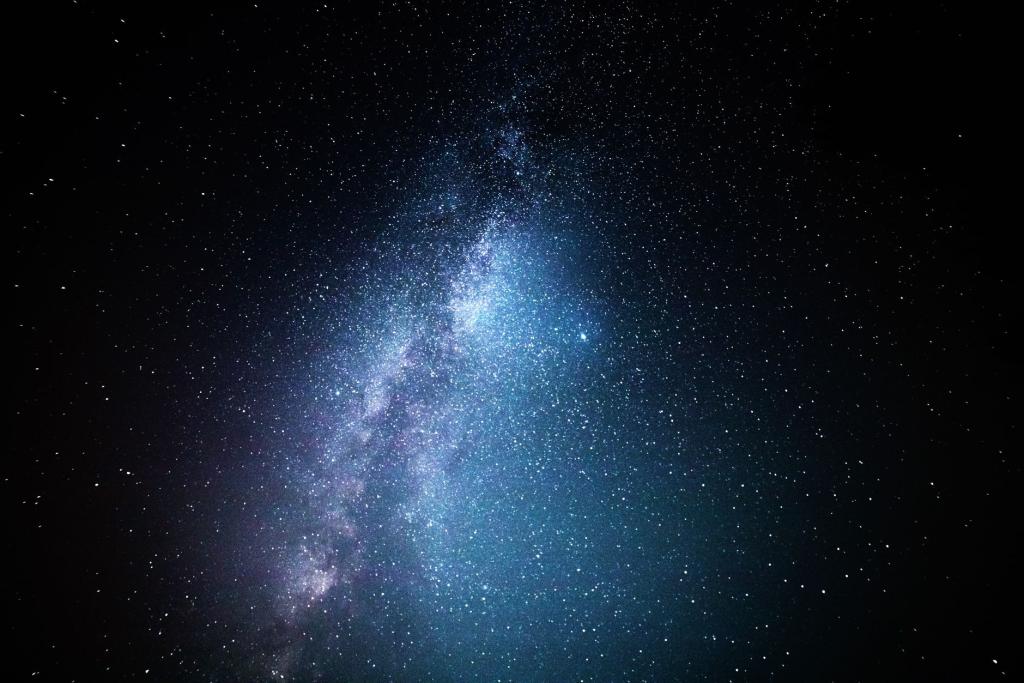
The Leonid Meteor Shower reaches its peak on the night of November 17, 2026, into the morning of November 18, and this year the Moon gets out of the way for the best part of the show. The shower is active from early November through the end of the month, but the hours after midnight on peak night are the ones worth setting an alarm for. Expect a modest display rather than a storm: under a dark sky, the Leonids typically deliver between ten and fifteen meteors an hour, and every one of them is fast, bright and worth the cold.
What makes the Leonids special is not quantity but speed and history. The meteors are dust shed by Comet Tempel-Tuttle, and they strike the atmosphere at about seventy-one kilometres per second, the fastest of any major shower. That velocity is why Leonid meteors often leave glowing trains that hang in the sky for a few seconds after the streak itself has gone. No telescope is needed, and no special equipment either: dark-adapted eyes beat optics for a shower that can appear anywhere overhead.
When and where to look
The Leonid Meteor Shower peak is predicted for midnight Universal Time on November 18, according to EarthSky, which puts the best viewing late on the night of November 17 until dawn on November 18 in North America. The radiant point, the spot in the sky the meteors appear to stream from, sits in the constellation Leo the Lion, which rises just before midnight in mid-November. Look toward the east and southeast after midnight, when the Lion climbs higher, but do not stare only at the radiant: meteors can appear anywhere, and scanning the wider sky catches more of them.
The Moon cooperates this year. It reaches its first quarter on November 17 and sets around midnight in many locations, leaving the prime viewing hours dark, according to the Farmers' Almanac guide to the shower. That is a meaningful improvement over last year's shower, when a bright gibbous Moon washed out the same hours. Give your eyes at least twenty minutes away from phone screens to adapt, dress warmer than you think you need to, and bring a blanket or reclining chair so you can watch comfortably without craning your neck.
A shower famous for storms
The Leonids earned their reputation in a single night. On November 12 and 13, 1833, witnesses across eastern North America watched a storm of falling stars so dense that some counts put it above one hundred thousand meteors an hour, an event that helped launch the modern scientific study of meteors. The shower returned in force in 1966, when observers counted thousands of meteors per minute during a brief quarter-hour burst. Those storms recur on a cycle of roughly three decades, tied to the parent comet's return to the inner solar system, and the next storm-level window is not expected until the 2030s.
That history sets up the honest expectation for this year: a calm Leonid night, not a sky on fire. December's Geminids will deliver far more meteors per hour when they arrive, but they cannot match the Leonids for raw speed or for the romance of a shower that once made people believe the stars were falling. If you watch on peak night and count a modest handful each hour, you are seeing the shower at its normal, healthy level, not a disappointment.
How to make the most of peak night
Pick the darkest spot you can reach: a rural road, a park away from streetlights, or anywhere with an open view of the eastern sky. City lights will hide all but the brightest meteors, so even a short drive out of town transforms the count. Check the local cloud forecast before you commit, since a clear sky matters more than an exact location, and have a backup night in mind: the nights either side of the peak still carry Leonid activity, even if the rate is lower.
Watch with other people if you can. Meteor watching rewards patience, and a group calling out streaks keeps everyone looking up through the quiet stretches. Keep a simple tally of what you see, and if you catch an especially bright fireball, you can report it to the American Meteor Society, which collects sightings from skywatchers. The Leonid Meteor Shower asks little of you: a dark sky, warm clothes, and an alarm set for after midnight. In return they offer one of the oldest shows in astronomy, a stream of comet dust burning up overhead at tremendous speed, on a night when the Moon politely steps aside.
Related reading on this site includes a look at a deep-sea discovery that rewrote a family tree and what November's skies hold for stargazers.
Comments 0
No comments yet. Be the first to share your thoughts!
Leave a comment
Share your thoughts. Your email will not be published.