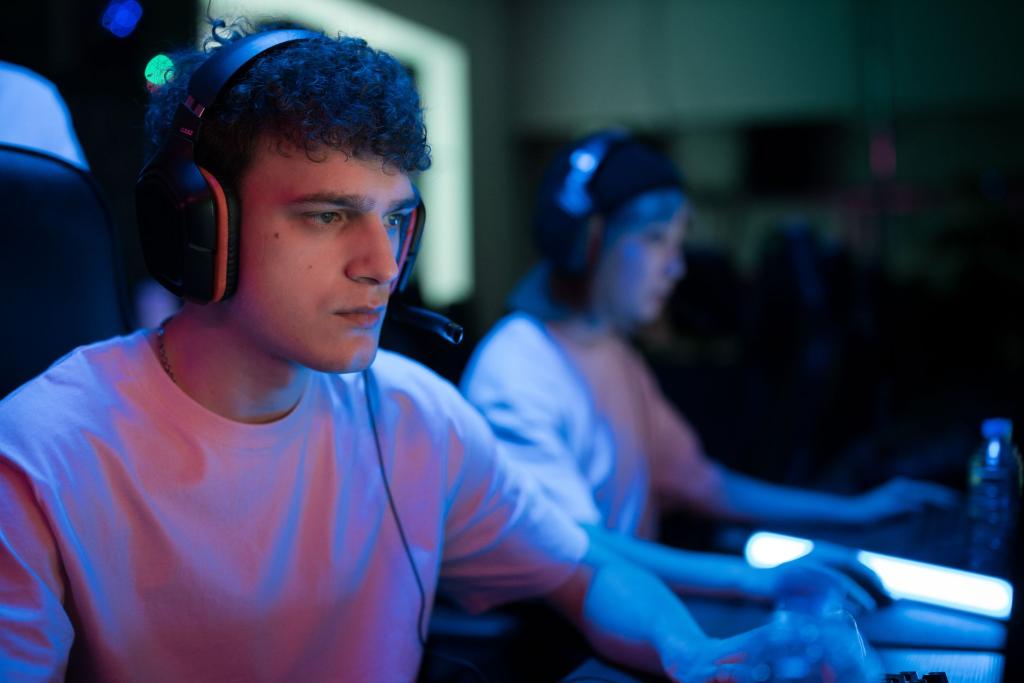
The Hood Warfare backlash found its newest target on October 15, when Twitch streamer Nick "Lacy" played the viral Chicago gang shooter live for his audience. Clips of the broadcast spread fast, and by the next morning comment threads were full of viewers asking why one of the platform's biggest gaming names was spending his airtime on a game built around real-world gang violence. Lacy, a CORE Boys member with 3.5 million Twitch followers, took enough heat that he answered the criticism on stream, according to Sportskeeda's reporting, and his answer pulled a second heavyweight creator into the fight.
The game at the center of it comes from Trapstar Games, a small indie studio with almost no public footprint, and it launched on Steam on October 8 for under six dollars. Built in Unreal Engine 5, the multiplayer shooter drops players onto rival sides of a gang war for control of Chicago, with modes like Turf War, team deathmatch, free-for-all, capture the flag, and bomb defusal. The Steam page leans into the premise with lines about spinning the block and taking over the streets. Gameplay clips flooded social feeds within days, and the title picked up nearly two thousand Steam reviews with a mostly positive rating.
Critics say the Hood Warfare backlash is deserved because the shooter turns real violence into caricature. The game uses the Bloods and Crips by name, and commentators have described the portrayal as harmful stereotyping of Black urban communities. Social media posts have questioned whether a Black developer would ever have made the game, and the studio's silence on who built it has fed speculation that the release is a genuine indie project, an AI-assisted experiment, or a stunt designed to go viral. That uncertainty has only made the argument louder.
Duke Dennis called it cliche and predictable
AMP member Duke Dennis became one of the loudest voices against the game. On a recent broadcast, he called the title cliche and predictable, according to Sportskeeda's reporting, and questioned the social awareness of whoever made it. He flagged character names like Tyrese, DeShawn, and Darnell as red flags, saying they read like the first names an outsider would guess for Black characters. His criticism matched the wider complaint: the game packages gang culture as entertainment without saying anything about it, and that choice looks worse when nobody knows who profited from it, which is why his clips kept the Hood Warfare backlash burning through the week.
Lacy says the anger is a double standard
Lacy pushed back on his own stream alongside fellow CORE Boys member Silky. His argument was simple: gamers shoot people in titles rooted in real conflict every day, and nobody demands the same outrage. He pointed at Call of Duty and Grand Theft Auto, both built on real-world violence, and asked why this shooter should be treated any differently. His position was that a video game is a video game, and the anger should apply evenly across the board or not at all.
Not everyone accepts that comparison. HipHopWired argued that the GTA and Call of Duty defense falls apart because those games wrap their violence in stories about war, crime, and satire, while this shooter puts gang culture at the center without commentary. The outlet's case is that there is a line between gritty entertainment and a stereotype sold back to its subjects, and this title lands on the wrong side of it. That disagreement is where the whole fight now sits: one side sees selective outrage, the other sees a game that asked for none of the scrutiny its bigger-budget rivals earned through storytelling.
The Hood Warfare backlash matters beyond one stream because it shows how viral games get made now. A tiny studio shipped a cheap title with no marketing budget, and gameplay clips carried it to viral success in a matter of days. Whether the outrage fades or sticks to the game will shape what copycats try next, and whether platforms start asking harder questions before a clip turns into a controversy. For Lacy, the episode caps a chaotic stretch: days earlier he was ejected from SoFi Stadium during the Bills-Rams game over his live stream, a separate clash that sports media covered widely.
Sources: Sportskeeda: Lacy responds to backlash for playing the shooter; HipHopWired: Duke Dennis and more sound off on the game.
Comments 0
No comments yet. Be the first to share your thoughts!
Leave a comment
Share your thoughts. Your email will not be published.