It started with a bike ride to the local dump where Kirk McKinney found a pair of working speakers. That discovery sparked what would become Junk Teens — a Massachusetts-based junk removal and reselling business that now brings in $3.04 million in annual revenue and employs over 20 young workers.
From Trash to Treasure
Kirk McKinney, now 22, and his younger brother Jacob, 20, launched their company in February 2021 while both were still in high school. Kirk kept returning to the dump after finding those speakers, eventually filling his bedroom with abandoned items he sold on Facebook Marketplace. While hanging out there, he met homeowners who needed junk removed from their properties.
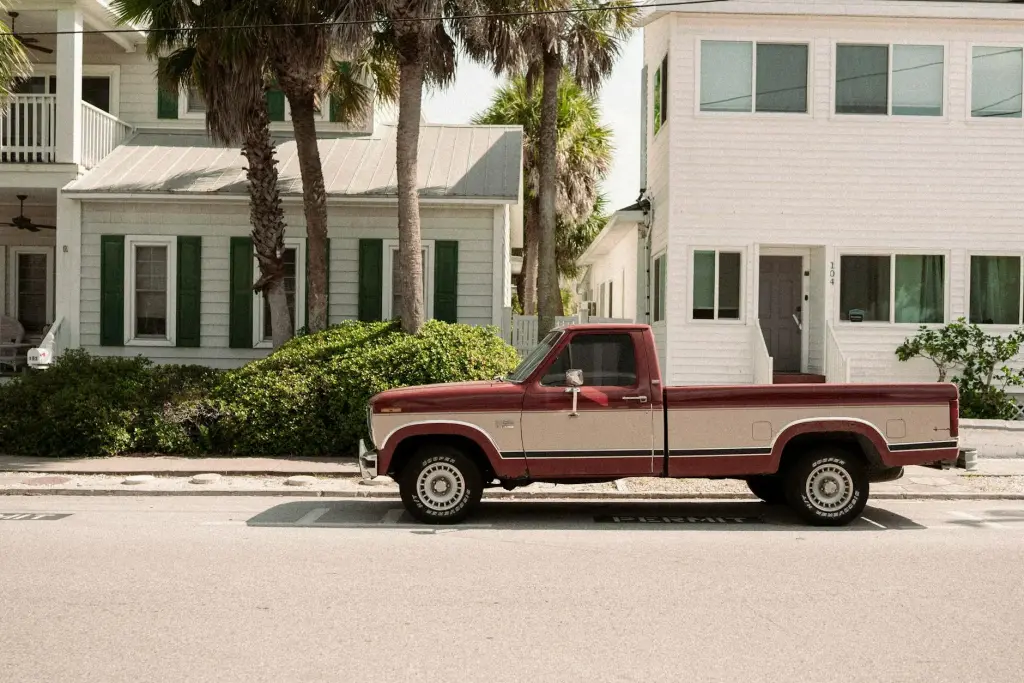
Realizing he needed help, Kirk quit his grocery store job and enlisted Jacob, then a high school freshman. The brothers pooled $4,000 to buy a used 2006 Ford F-150 and started hauling junk. They also picked up landscaping and moving gigs to cover their daily expenses.
Junk removal quickly became their most profitable work. According to CNBC, customers showed more interest when they learned the brothers were repurposing items rather than simply dumping them at the landfill.
YouTube Business School
The McKinneys had no formal business education when they started. They literally searched "how to start a junk removal business" on YouTube to learn about legal structures and tax planning. Growing up with parents who ran a tree service business gave them an advantage — they received advice on administration and bookkeeping from day one.
Social media became their growth engine. Junk Teens now has more than 400,000 followers across Instagram and TikTok, where they post videos showing how they negotiate pricing and dispose of different items. CNBC reports that their first year nearly cleared six figures in profit, allowing them to buy their first dump truck.
By 2024, they hit $1.2 million in revenue while Jacob was still attending classes. Balancing school and business required creative scheduling — Jacob negotiated midday free time with his guidance counselor because dumps only operated during school hours. The brothers sometimes parked their truck in the school lot and apologized to teachers when they ran late.
The Tax Reality Check
Their success story comes with important lessons about taxes. The New York Post reported that the IRS is actively hunting unreported income from weekend gigs and side businesses, identifying this as a major source of the tax gap.
A dangerous myth among young entrepreneurs is that income under $600 isn't taxable. The $600 threshold only determines whether a company must send a 1099 form — every dollar of profit must be reported to the IRS. If you expect to owe more than $1,000 in taxes, quarterly estimated payments are required in April, June, September, and January.
Self-employment tax often surprises first-time business owners. When you work a traditional job, you and your employer split Medicare and Social Security costs. When self-employed, you pay both portions totaling 15.3% on net earnings plus regular income tax. Most tax professionals recommend saving 25% to 30% of gross income for tax obligations.
Building a Teen Empire
Today, Junk Teens employs 10 full-time and 10 to 15 part-time workers — all high school, college, or gap-year students. The company operates five dump trucks across two Massachusetts locations serving Boston and Cape Cod. They completed over 5,500 jobs in 2025, charging $300 to $600 per job depending on size.
Both brothers now study entrepreneurship at Babson College while running the business. Each earned low-to-mid six-figure salaries in 2025, using part of that for tuition. Kirk has considered dropping out three times to focus on Junk Teens full-time but stayed because, as he told CNBC, "college has taught me things that business never will."
The McKinneys project $5 million in annual revenue by the end of 2026, with plans to expand across the East Coast. They're open to franchising, investors, or potentially selling the business down the road.
For young entrepreneurs with big dreams, the Junk Teens story proves you don't need massive capital to start. Sometimes all it takes is a $4,000 truck and the willingness to turn other people's trash into your treasure.
Comments 0
No comments yet. Be the first to share your thoughts!
Leave a comment
Share your thoughts. Your email will not be published.