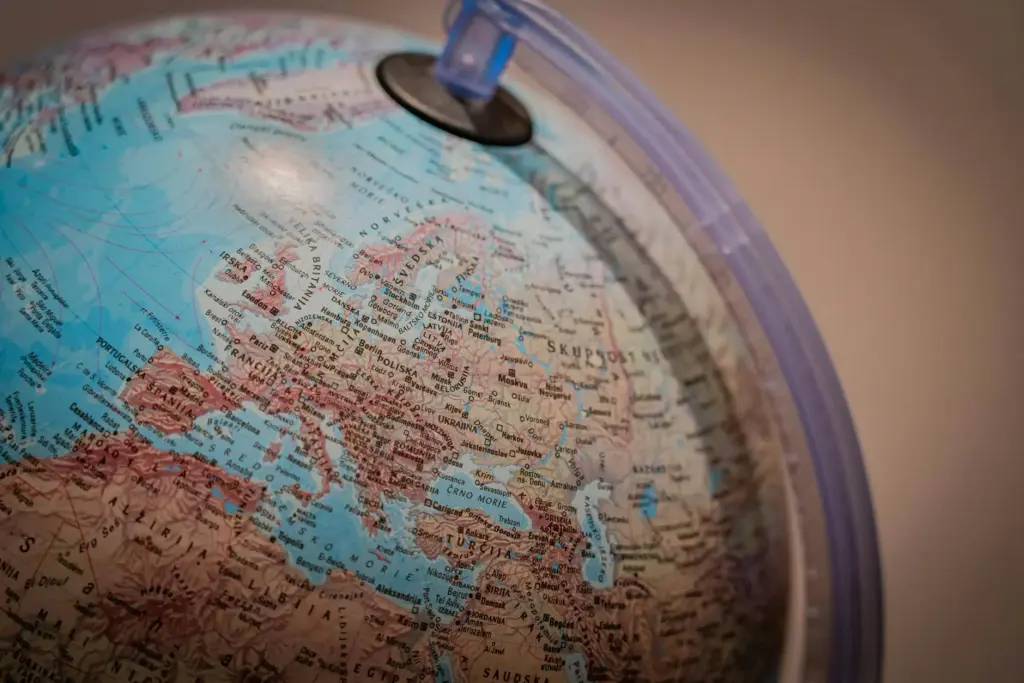
The War That Is Not Staying in the Middle East
The Iran war global impact is proving that modern conflicts have no borders. What began as a regional Middle Eastern conflict is rapidly becoming a global economic crisis affecting everything from gas prices in India to fertilizer supplies for farmers in the Northern Hemisphere. World leaders are scrambling to contain the fallout, but the interconnected nature of the global economy means no nation is immune.
Two weeks into the conflict, the ripple effects are being felt far from the battlefield. In Kolkata, residents are queuing for gas. Tourists are fleeing Cyprus. Farmers across Europe and North America are growing nervous about the spring planting season because they cannot get the fertilizer they need. The Strait of Hormuz, a critical chokepoint for global oil shipments, has been blockaded, sending energy prices soaring worldwide.
Russia Emerges as an Unexpected Winner
While the United States launched the war to counter Iranian threats, one nation is watching with quiet satisfaction: Russia. According to The New York Times, Moscow's oil and gas revenues were declining sharply before the war began—down nearly 25 percent last year due to falling prices and Western sanctions related to the invasion of Ukraine. But the surge in global oil prices caused by the conflict has been a financial gift to the Kremlin.
President Vladimir Putin appeared almost smug when discussing European plans to phase out Russian gas imports. The logic is simple: with so many countries desperate for energy alternatives, Russia might actually be the one phasing out Europe rather than the other way around. The temporary U.S. decision to lift some sanctions on Russian oil was described by analysts as an implicit admission that America cannot contain the energy shock it unleashed without Moscow's help. Ukrainian President Volodymyr Zelensky criticized the move, stating it certainly does not help peace.
China Watches and Waits
China finds itself in a complicated position. The world's second-largest economy imports more than half its seaborne crude from the Gulf region, with Iran previously supplying about a quarter of that at discounted prices. The Iran war global impact is disrupting these supply chains and threatening Chinese exports to the region, which were growing rapidly last year amid ongoing trade tensions with the United States.
However, there is a strategic upside for Beijing. The U.S. military has been forced to redirect significant capabilities away from the Pacific theater. A carrier strike group has been pulled from the South China Sea, and THAAD missile defense systems in South Korea are being redeployed to defend against Iranian drones and rockets. Japan and Taiwan may face delays in American arms deliveries. As one analyst noted, the Iran war is putting strain on America's security promises in Asia—to China's potential benefit.
South Asia Faces Immediate Pain
Nowhere are the immediate economic consequences more visible than in South Asia. In India, restaurants have begun removing slow-simmered dishes from their menus because cooking gas has become too expensive. Brick makers, ceramists using glass kilns, laundries, hospital kitchens, and crematories are all struggling to keep operations running. Universities in Bangladesh have closed to conserve electricity, while Pakistan raised fuel prices by 20 percent overnight.
The region is also home to millions of migrant workers employed in Gulf states, and many have been directly affected by the conflict. The Iran war global impact has exposed just how vulnerable interconnected global supply chains are to regional disruptions. More details on how the war is affecting daily life in South Asia are available from BBC News.
Fertilizer Crisis Threatens Global Food Production
Perhaps the most concerning long-term consequence involves fertilizer supplies. The same nations that produce much of the world's oil—Iran, Saudi Arabia, Qatar, the United Arab Emirates, and Bahrain—are also major producers of fertilizer. With the Strait of Hormuz effectively closed, these critical agricultural inputs are trapped.
Farmers across the Northern Hemisphere are preparing for spring planting season but cannot get the fertilizers they need. Experts warn that this could lead to reduced crop yields later this year, potentially driving up food prices globally. As one analyst put it, War has a way of exposing vulnerabilities that arise from interconnection.
What Comes Next
The Iran war global impact continues to reshape geopolitics in ways few predicted. Russia's unexpected windfall, America's distracted attention from Asia, and the economic pain spreading from South Asia to European gas stations—all demonstrate that in our interconnected world, regional wars have global consequences.
According to Reuters, U.S. Energy Secretary acknowledged there are no guarantees oil prices will fall in the coming weeks, though he expressed belief the conflict would end in the next few weeks. Iran's foreign minister has stated his country is ready to defend itself for long as it takes. As the war enters its third week, President Trump faces stark choices about how to proceed.
Comments 0
No comments yet. Be the first to share your thoughts!
Leave a comment
Share your thoughts. Your email will not be published.