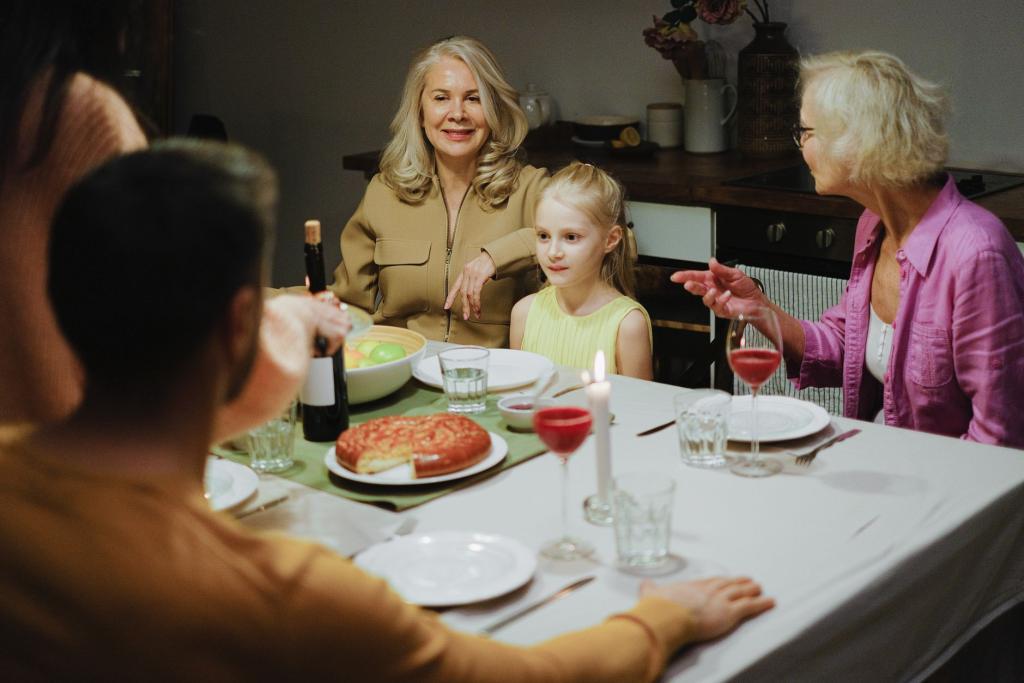
For all the jokes about a generation glued to its phones, the world's largest intergenerational study of family life has landed on a plot twist nobody expected: nobody cherishes family time more than Gen Z in India. According to the Family First Global Survey, 84% of Indian Gen Z respondents said spending time with family is very important — the highest share of any country in the study. But behind that record-breaking value sits a painful contradiction: just 22% of Indian children say they are satisfied with the amount of quality family time they actually get, the lowest figure recorded anywhere in the world.
The survey, an initiative of the Varkey Foundation launched by education pioneer Sunny Varkey, is the first global study of its kind, measuring how children, parents, Gen Z adults and grandparents bond in 15 countries. Research agency We Are Family interviewed more than 6,000 parents, over 6,000 children aged 9 to 18, and 3,000 grandparents each in January and February, alongside 3,000 Gen Z participants. The results feed the world's first Family Bonding Index, which scores nations on the strength of their family connections — and the country-by-country findings are now rolling out through October.
What makes the data so striking for a young audience is the generation doing the most valuing. Gen Z is stereotyped as the loneliest, most screen-saturated cohort alive — yet Indian Gen Z leads the planet on the importance of family time. As Sunny Varkey put it, family bonding is "under strain," while "the family remains the most fundamental building block of every community."
India tops the chart on valuing family time
The Indian findings read like a family-values manifesto. Three-quarters of Indian children say they would like to spend more time with their grandparents — the highest proportion of any country surveyed. Parents, too, are woven tightly into the generations above them: 85% say they spend time with their own parents at least once a week and 65% do so every day, both the highest figures recorded worldwide. During a typical family meal, 81% of parents say everyone is talking together, second only to France at 84%.
Grandparents remain deeply embedded in Indian households. Three-quarters live with their family, second only to Malaysia, and 65% see their grandchildren in person every day. Two in five grandparents say their family spends 11 hours or more each week enjoying quality time together — the highest figure anywhere. And 70% say that spending more time with their grandchildren would make a big difference to their happiness, again the top result globally.
Yet this is precisely where the story gets complicated. Despite all that togetherness, only 22% of Indian children feel satisfied with the amount of quality family time they get. Nearly three in ten say their parents are too busy to spend time with them, the highest rate in the survey, while 43% say homework or studying is what most often gets in the way of family bonding. Screens pile on the pressure: 70% of Indian parents say screen time and digital devices have harmed their family's opportunity to bond, the second-highest figure globally.
The American grandparent gap
The American results, released at the start of the month, paint the mirror image. According to the Family First Global Survey, 31% of US grandparents say they spend either no quality time at all or less than an hour a week with their families — the highest percentage of any country surveyed, ahead of Canada at 25% and the UK at 23%. Only 39% of US grandparents see their grandchildren in person at least once a week, the second-lowest figure in the world after Japan.
The disconnect is not about caring. More than two-thirds of US children said they feel very comfortable talking openly with their parents about things that matter — the third-highest figure globally after India and Nigeria. And more than four in ten US parents said they plan to have their own parents move in with them as they age, the second-highest percentage worldwide after Malaysia. Emotional closeness is high; actual hours together are not.
Screens shape the picture too. Nearly one-quarter of US children said everyone is most likely to be on a phone or screen during family time, one of the highest rates in the study, and 32% said screen time is what most often stops their family from bonding. Notably, only 19% of US parents agreed — a generation gap in how the problem itself is perceived.
Why the values-time gap matters
Read together, the two country releases reveal the study's central finding for young readers: valuing family time and getting enough of it are two very different things. Indian families score at the top of the world on desire — 84% of Gen Z calling it very important — yet bottom the ranking on satisfaction. American families report strong emotional foundations but the weakest grandparent contact in the developed world.
The common culprits are schedules and screens. In India, 44% of parents and 54% of grandparents say children's packed schedules are what most often prevent the family from bonding, the highest rates in the survey. In the US, 36% of grandparents said work, school and technology simply do not support family life — well below the global average. The pressure is felt on both sides of the generation gap, even where love between generations runs strong.
For Gen Z readers, the message cuts both ways. The data demolishes the myth that young people do not care about their families — the cohort leading the global survey on family values is theirs. But the satisfaction gap suggests values alone do not buy presence. With country findings still rolling out through October, the Family Bonding Index may yet reveal which nations are actually closing the distance between what families feel and how much family time they actually get.
Comments 0
No comments yet. Be the first to share your thoughts!
Leave a comment
Share your thoughts. Your email will not be published.