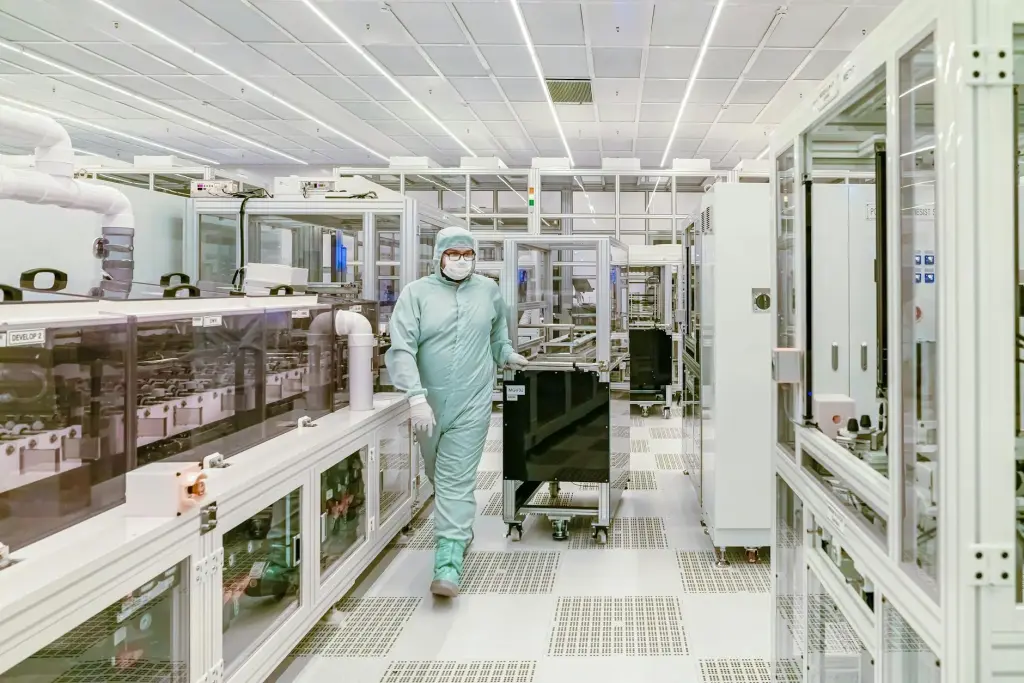
India is making a bold move to become a global semiconductor powerhouse with the announcement of a massive India semiconductor fund totaling Rs 1 trillion (approximately $12 billion) dedicated to boosting its domestic chip industry. The initiative aims to transform India into a major hub for semiconductor design, manufacturing equipment, and supply chain operations while attracting leading global chipmakers to establish operations on Indian soil.
What the India Semiconductor Fund Will Support
According to Analytics Insight, the India semiconductor fund will support multiple aspects of the semiconductor ecosystem. This includes chip design capabilities, manufacturing equipment procurement, and robust supply chain infrastructure. The strategic investment is designed to attract leading global chipmakers to establish operations in India.
The comprehensive funding package addresses critical bottlenecks that have historically prevented India from becoming a significant player in the global semiconductor market. By providing substantial financial backing, India hopes to overcome the capital-intensive barriers that typically prevent emerging economies from entering the semiconductor manufacturing space.
The India semiconductor fund represents one of the largest government-backed technology investments in the country’s history. It positions India as a viable alternative to current manufacturing giants like Taiwan and China, which currently dominate the global chip production landscape.
Why Now? Global Supply Chain Shifts Create Opportunity
This announcement comes at a critical time when global supply chains are being reevaluated, and countries worldwide are seeking to reduce dependence on concentrated manufacturing centers. The COVID-19 pandemic exposed vulnerabilities in global chip supply chains, leading to shortages that affected everything from smartphones to automobiles. India semiconductor fund arrives as nations recognize the strategic importance of domestic chip manufacturing capabilities.
India’s democratic stability, large talent pool of engineers, and growing domestic market make it an attractive destination for semiconductor investments. The country produces thousands of engineering graduates annually, providing a skilled workforce for high-tech manufacturing operations. Additionally, India’s English-speaking workforce and common law legal system make it easier for Western companies to establish and operate manufacturing facilities.
The timing aligns with the Indian government’s broader “Make in India” campaign, which seeks to boost domestic manufacturing across various high-tech sectors. The India semiconductor fund is the centerpiece of this initiative, targeting one of the most strategically important industries in the modern economy. According to Reuters, similar initiatives in other countries have successfully attracted major technology investments.
Global Chipmakers Eyeing Indian Expansion
Major global chipmakers including Intel, TSMC, and Samsung have been exploring expansion opportunities in India. The India semiconductor fund could provide the financial incentives needed to accelerate their decisions and establish cutting-edge manufacturing facilities on Indian soil. These companies have been diversifying their manufacturing bases following geopolitical tensions and supply chain disruptions.
Industry experts note that establishing semiconductor fabrication plants, known as fabs, requires billions in investment and years of development. However, with the India semiconductor fund providing significant backing, the country is signaling its long-term commitment to becoming a serious player in the global chip market. The move could potentially create thousands of high-skilled jobs while reducing India’s reliance on imported semiconductors for its rapidly growing electronics and automotive sectors.
According to government projections, the India semiconductor fund could help attract over $20 billion in additional private investment over the next five years. This would create an ecosystem supporting not just manufacturing but also research and development, packaging, and testing facilities. The ripple effects could transform India’s technology sector and create opportunities for startups and established companies alike.
Challenges and Competition Ahead
Despite the ambitious India semiconductor fund, challenges remain. Taiwan currently dominates advanced chip manufacturing, producing over 60% of the world’s semiconductors and over 90% of the most advanced chips. China has also invested heavily in its domestic chip industry, though it faces technology restrictions from Western nations.
Setting up semiconductor manufacturing requires not just money but also technology transfer, skilled workforce development, and reliable infrastructure including stable power supply and clean water. The India semiconductor fund addresses the financial aspect, but execution will require coordination across multiple government agencies and private sector partners.
However, India has successfully built a reputation in software and chip design, with many global semiconductor companies already operating design centers in cities like Bangalore and Hyderabad. The India semiconductor fund aims to extend this strength into actual manufacturing, completing the value chain from design to production. With continued investment and strategic partnerships, India could emerge as a significant player in the global semiconductor industry by the end of this decade.
Comments 0
No comments yet. Be the first to share your thoughts!
Leave a comment
Share your thoughts. Your email will not be published.